Colorado investigators release findings on cause of Aspen Acres Fire
Investigators have released the results of their investigation into the cause of the Aspen Acres Fire in southern Colorado.
The Colorado Division of Fire Prevention and Control has been investigating the fire since it sparked over the summer. The fire burned more than 102,000 acres and destroyed more than 850 structures, becoming one of the largest wildfires in the state's history.
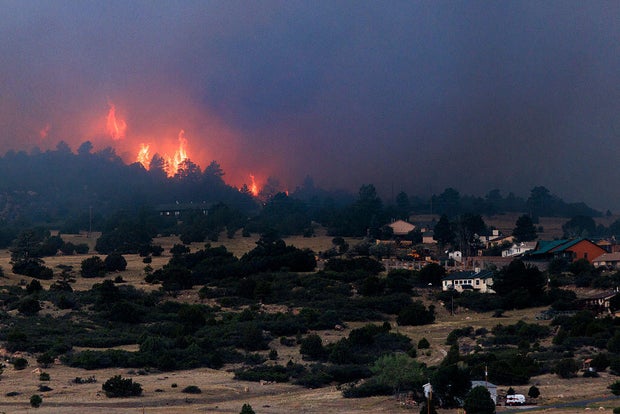
The report says it began when an aspen tree near Highway 165 in Custer County fell onto an energized power line.
"The named Aspen Acres Fire started on the west side of CO-165 at the base of a hill, along the utility pole lines that parallel CO-165. An aspen tree had been blown over by the wind and uprooted at the base and fallen on overhead energized power lines," the report states.
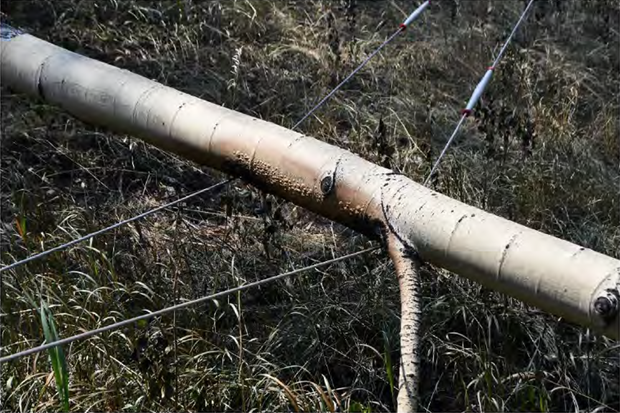
It says the area was covered with "grass, brush, trees and various forms of vegetation." High winds and dry conditions caused the sparks to grow quickly and spread into a large wildfire.
Earlier this year, residents filed a lawsuit against San Isabel Electric, alleging the utility failed to properly maintain its lines by clearing away nearby trees.
As of today, the Aspen Acres Fire is approximately 82% contained. It forced mandatory evacuations for thousands of residents across parts of Pueblo and Custer Counties, and subsequent flooding in the burn scar area caused further challenges for residents affected by the fire.
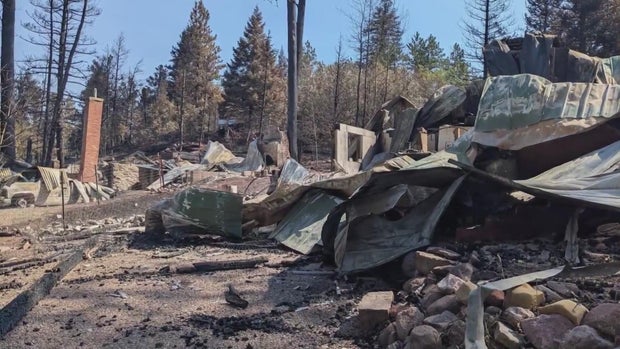
FEMA approved three Fire Management Assistance Grants to help cover firefighting costs for the Aspen Acres, Gold Mountain and Willow Fires. It also approved a part of a major disaster declaration for the areas affected by the Aspen Acres and Gold Mountain Fires, which gives the state access to Public Assistance Program funds to help with the repair of critical infrastructure and debris cleanup.
The agency declined to approve the requests for Individual Assistance Funds and the Hazard Mitigation Grant Program. However, the U.S. Department of Agriculture's Natural Resources Conservation Service Program and the State of Colorado are providing assistance to address issues that threaten lives and property.


