Colorado Census Takers Focusing On Hard-To-Count Communities
DENVER (CBS4) - The clock is ticking for the U.S. Census. You now have to fill it out by Sept. 30. A Colorado group is hoping to boost the state's response average by heading to rural and minority communities.
"For months we heard Congress was going to approve it no problem," said Gillian Winbourn, Executive Director of Together We Count Colorado.
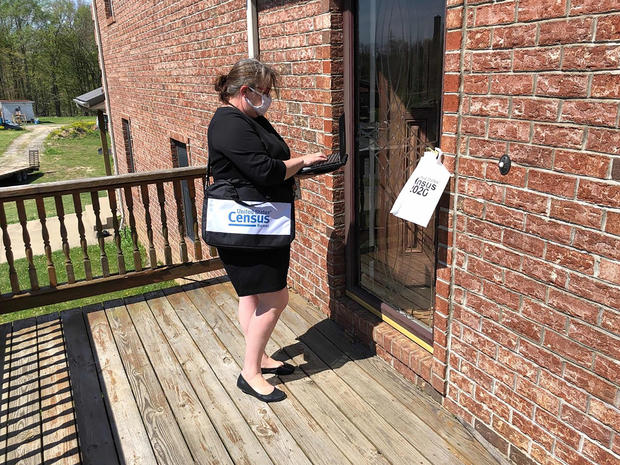
The statewide nonprofit works as a Census hub for information and resources for community partners, other nonprofits and local governments.
"The second week of August, it just kind of flipped. We heard from the national level that there was no support from Congress to extend the deadline, there was no support from the White House to extend the deadline, and so it put a crunch on the Census Bureau to make sure they have to hit statutory deadlines that are required."
The original July deadline was pushed to the end of October due to COVID-19. Now, organizations like Together We Count are scrambling to make sure everyone gets counted one month ahead of schedule.
"The census is important for not only how we live our daily lives, but also our political representation, and really the money that comes to our state," Winbourn said. If we don't count people, we will lose millions, potentially billions, every year for the next 10 years."
Colorado's total Census response sits at 84.1%. The total national average response is 82.4%. While the statewide numbers are higher than the national average, Together We Count Colorado is now focusing on hard-to-count communities.
"Communities that we're worried about are communities of color, immigrants, refugee populations, our rural residents, renters, and children, particularly under the age of 5," Winbourn told CBS4's Andrea Flores.
In Colorado, Douglas, Jefferson, and Broomfield counties have the highest total response rates in the state, while San Juan, Mineral, and Hindsdale counties have the lowest total response rate, according to the U.S. Census Bureau.
LINK: 2020 Census