Colorado bears are hungry amid drought. Should people feed them? Wildlife experts debate.

Severe drought conditions have reduced natural food sources for bears in parts of Colorado, contributing to a surge in bear activity. Colorado Parks and Wildlife has received more than 6,000 reports of bear sightings so far this year, which is about double the amount reported in the same period last year.
In bears' search for food, some are getting dangerously close to people.
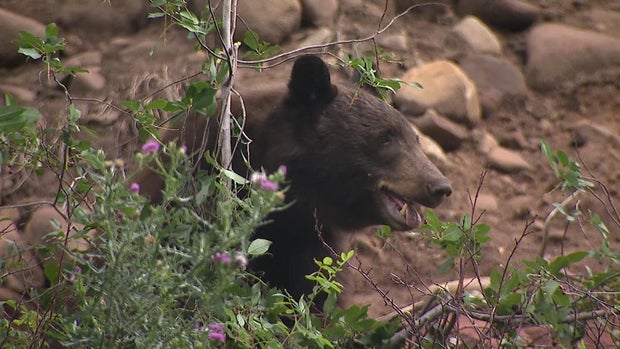
Brenda Lee, founder and president of the Colorado Bear Coalition, has spent her career working to help bears. She says she still doesn't see an easy answer for how Colorado should respond during severe drought years.
"I've dedicated my life for the last 15 years to doing this and helping bears, and yet I don't see a clear answer," she said.
Lee says Colorado needs to think about what drought could mean for bears in the future.
"What is CPW's plan for drought years?" she said. "This is not a one-off year due to climate change. We're going to see changes. We're going to see droughts like this in the future; wildfires as well."
Last week, Lee met with Colorado Parks and Wildlife to discuss whether regulated supplemental feeding during dry years could help bears when natural food sources are limited.
CPW public information officer John Livingston says the department does not support supplemental feeding.
Livingston says there are several reasons not to feed the bears, including what could happen if bears begin relying on humans for food.
"It's hard when people see animals that are underweight, that appear to be struggling," he said, "But we really want to remind people the best thing for bears and the best way to help them is to not provide any supplemental food sources for these bears."
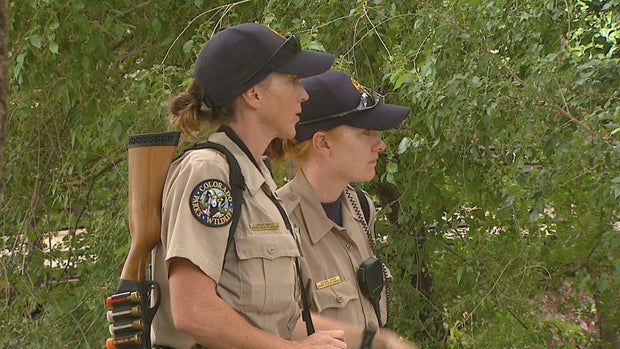
Wildlife officials say even putting food out in the middle of the woods could create more risks for bears.
"Not only is it a logistical challenge if we're talking about feeding the entire population of Colorado's bears, but just the human habituation problem that it would cause," he said. "Bears are also very territorial. If we start putting food out in the woods for them, they're going to get in conflict with each other."
For Lee, that makes the question of how Colorado handles drought years even more important. "I think it should be looked at more and understood better, so that we can say, yeah, that was a good call. Or in the future, it's not a good call."
For now, CPW's position is clear: People should not feed bears.
Colorado's wildlife officials are urging residents to secure trash and remove other potential food sources from around their homes.
Livingston added, "I've got a wildlife officer who's been doing this for a long time, and he said, 'If you're ever going to listen to us, please let it be this year.'"
Residents can help by making sure trash cans are properly secured and by removing other potential food sources that could attract bears.
The Colorado Bear Coalition is also offering free trash-can coverings in Boulder's University Hill neighborhood to help keep bears out of garbage.
With bear activity expected to remain high, wildlife officials say the best way people can help bears is by keeping human food away from them.
CPW said that as bears begin to enter hyperphagia, bear activity is expected to increase while they search for 20,000 calories per day before denning. Bears can take greater risks in seeking out food during this time, driving them into neighborhoods and populated areas.
To prevent bear conflicts and encourage them to find food away from humans, keep trash secured at all times. Lock windows, doors, and vehicles to discourage break-ins. Take down bird feeders until Thanksgiving. Never feed or leave out food for bears, as feeding wildlife is illegal and contributes to their habituation towards humans. Report bear activity and conflicts to CPW.


