City leaders look for path forward after voters reject Build Up Aurora measures

Aurora city leaders are regrouping after voters rejected the three Build Up Aurora ballot measures. Supporters said the funding plan would have paid for major infrastructure projects across the city, including road improvements, bridge replacements, public safety facilities, libraries and recreation centers.
Aurora City Councilmember Curtis Gardner, a longtime supporter of the plan, said the results were disappointing but understandable given the current economic climate.
"This was 32 cents on a $100 purchase, but when costs are what they are, every penny matters," Gardner said.
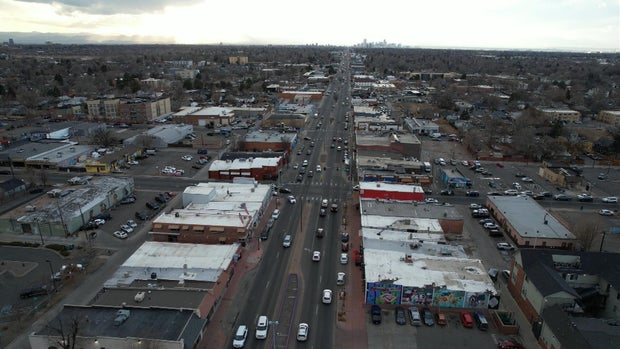
The measures would have generated funding for dozens of projects across the city. Gardner said their failure means a number of those improvements are now unlikely to happen anytime soon.
"Gun Club Road won't be widened now within the foreseeable future. The northeast part of the city won't get a rec center or a library within the foreseeable future. There are potential fire stations that won't be built in the foreseeable future because of the failure of these measures," he said.
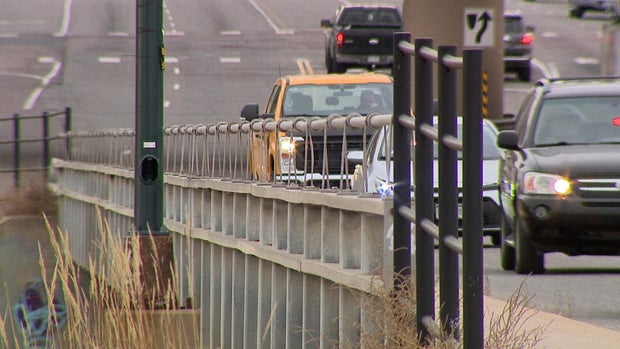
The vote comes as Aurora continues to grow and faces increasing demands on infrastructure and city services. According to the city's infrastructure snapshot, Aurora maintains nearly 4,900 lane miles of roadway, 99 bridges and roughly 400 traffic signals. More than half of the city's bridges were built before 1988.
Gardner said one of the biggest challenges is ensuring new growth contributes enough to support the infrastructure needed to serve future residents.
"Growth needs to pay its own way," Gardner said. "Aurora has some of the lowest development impact fees around in the metro area, and so we are not collecting the appropriate amount of money for new houses that are being built to cover their impact on public safety, transportation, and the other things that we need to provide."
He also believes Aurora faces funding challenges that differ from many neighboring communities that are also growing at a rapid rate.
"I think Aurora faces a unique challenge in that we're one of the few full-service cities in the metro area," Gardner said. "We don't have fire districts, we don't have library districts, we don't have parks districts, and so we're entirely funded by sales tax, which rises and falls with economic conditions."
Supporters of Build Up Aurora argued the measures were designed to address both future needs and existing infrastructure that has been serving residents for decades, including the Peoria Street bridge which has carried traffic since 1966. Gardner said that while infrastructure projects may not always attract public attention, they remain critical to daily lives.
"Infrastructure is not sexy, but it's really, really important," Gardner said. "It's making sure a firefighter responds when you call 911. It's making sure that you have clean water when you turn on your faucet. It's making sure that we have safe roads."
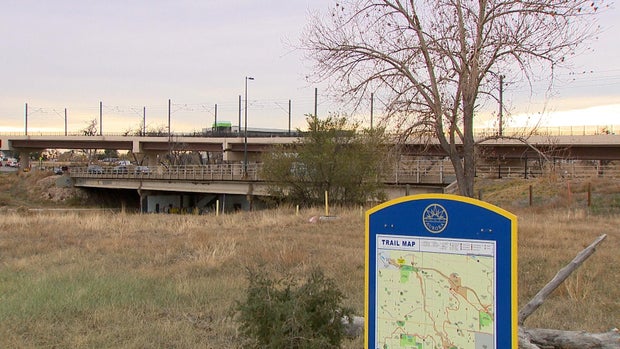
Now, city leaders say the focus shifts to understanding why the measures failed and determining how to move forward. Gardner said council members will review election data, evaluate funding options and consider what other mechanisms may be available to move projects ahead.
"We're going to see where we fell short and then also figure out a path forward," Gardner said. "Does that look like going to the voters again? Does it look like piecemealing one-time monies together to address some smaller projects?"
While the Build Up Aurora measures failed, Gardner said the underlying needs have not changed. The question facing Aurora now is how a growing city will continue investing in the roads, bridges, public safety facilities and community amenities residents rely on every day. For now, he said, no options are off the table.
"These things aren't free; they have to be paid for somehow," Gardner said.