Blood donations critical as Colorado faces shortage; Doctor says it's "extremely important we have adequate supply"

Hospitals across Colorado are urging people to roll up their sleeves and donate blood as supplies drop during one of the most demanding times of the year.
At Denver Health, a Level 1 trauma center that also handles elective surgeries and major medical emergencies, doctors say blood is a resource they can't function without.
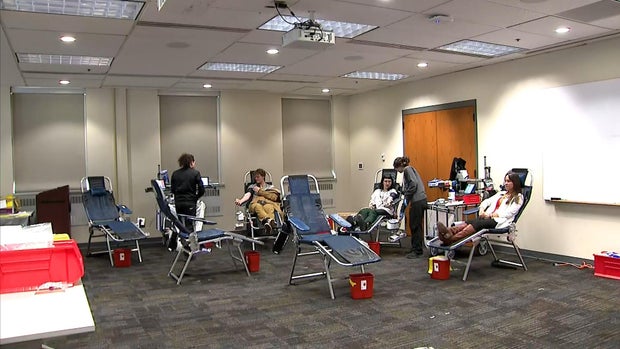
"It's extremely important that we have an adequate blood supply," said Dr. Bailee Olliff, Trauma Medical Director at Denver Health.
Denver Health's blood bank administers about 500 units of red blood cells every month, along with about 100 units of fresh frozen plasma, which contains clotting factors.
To help put that into perspective, Olliff explained that each unit is about 250 milliliters, meaning it takes about four units to make one liter of blood.
A typical blood donation is also about one unit.
"In your body right now, you have about five liters of blood circulating most of the time," she said. "When people donate, they're giving about a unit of blood."
The need for blood goes far beyond one type of patient.
Trauma patients may require transfusions after everything from car crashes and falls to penetrating injuries, and Denver Health also treats many patients dealing with medical emergencies like gastrointestinal bleeds or those undergoing heart procedures.
"We get a lot of transfers," she said. "And especially right now for ski season, blunt traumas, falls, car accidents, really anything where you have experienced an injury, you could be at risk for losing blood."
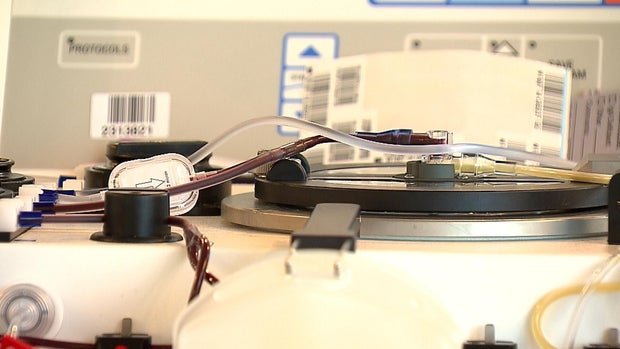
While Denver Health can work with community partners to bring in additional blood if needed, shortages are still a concern.
She said hospitals have to be judicious and ensure patients are receiving the right products at the right time.
"We're going to do the right thing for the patient every time," she said. "We're going to make sure that we find the resources to take care of our patients here."
Type O blood is among the most important donations because it can be used quickly in emergencies.
"The most common product transfused here is O blood - either O positive or O negative," she said. "So if you are an O blood type, it's actually very important that you donate."
In severe trauma cases, patients may not be able to tell doctors their blood type or there may not be time to wait.
"We check your blood type right away when you come in for a trauma," she said. "But O is what we can give to everyone ... just as an emergency, until we know your blood type."
Blood products do have a shelf life, though Denver Health moves through supplies quickly.
She added that Denver Health is able to extend usability by separating whole blood into components when it gets closer to expiration.
"We're very fortunate to have whole blood here," she said. "When we see that that is getting close to expiration, we actually spin that down into the different products."
Most people can sign up to donate, but donors are screened to ensure it's safe.
"They're going to ask you a very extensive list of screening questions," she said. "And then they're also going to check to make sure that you're not anemic."
Some donation organizations also provide extra health information, including blood type and cholesterol screening.
The American Red Cross says the shortage is being driven by a significant drop in donors and disruptions across the country.
"We're seeing about a 35% decrease in our inventory," said Andrea Miller, Regional CEO for Colorado and Wyoming.
Miller said winter weather and illness have contributed to the decline.
"We've had a lot of storms across the country that have caused over 400 blood drives to be canceled," she said. "The flu season has really hit them hard, so we're seeing a lower amount of donors turnout."
The Red Cross is urging people to make an appointment as soon as possible.
"The easiest way to get ready to donate blood is to go to RedCrossBlood.org and schedule your donation, or call 1-800-RED-CROSS," Miller said.
For people looking to donate locally, Denver Health will host its own blood drive later this month.
"On Feb. 19, you can actually register through the Red Cross to come to Denver Health and donate and help our community directly," she said.
Doctors and donation leaders say even one donation can make a difference, especially when it comes to trauma patients who may need blood without warning.