Water levels at reservoirs Aurora uses for supply are "definitely lower," Colorado city could enact drought protocols

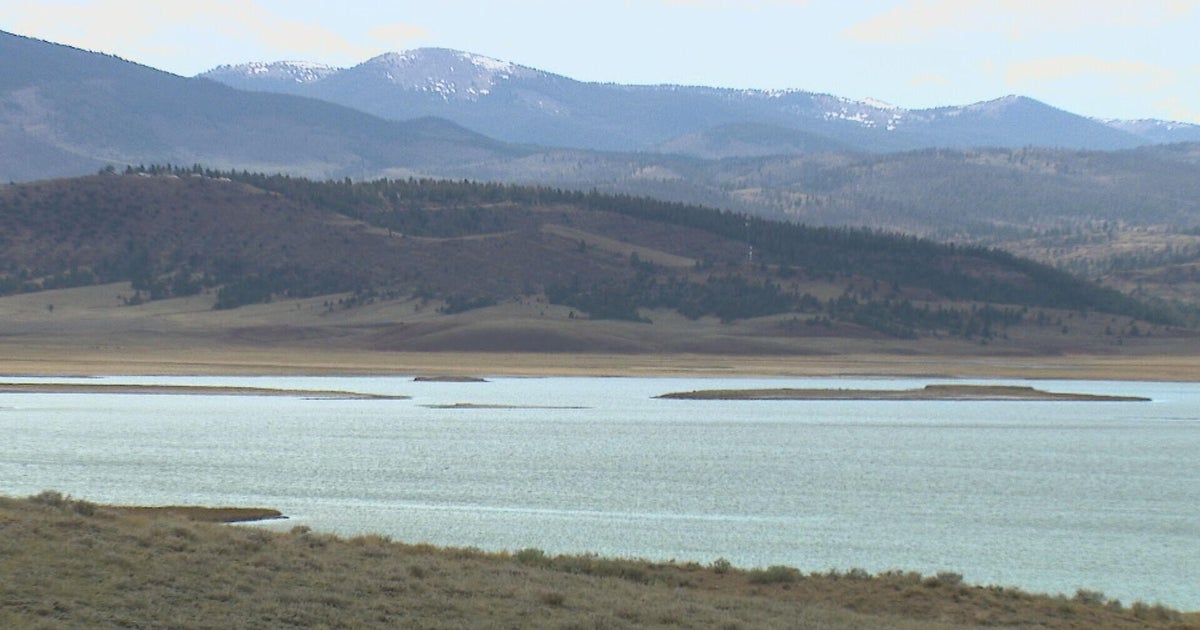
Sixty-five miles southwest of the Aurora Municipal Center is Spinney Reservoir. It's one of 12 reservoirs that provide water to the Colorado city, and conditions are just as dry there as they are in the Denver metro area.
"Compared to other previous years we are definitely lower," said Aurora Water spokesperson Shonnie Cline.
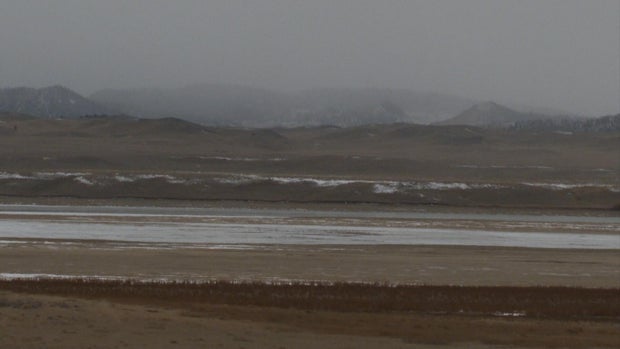
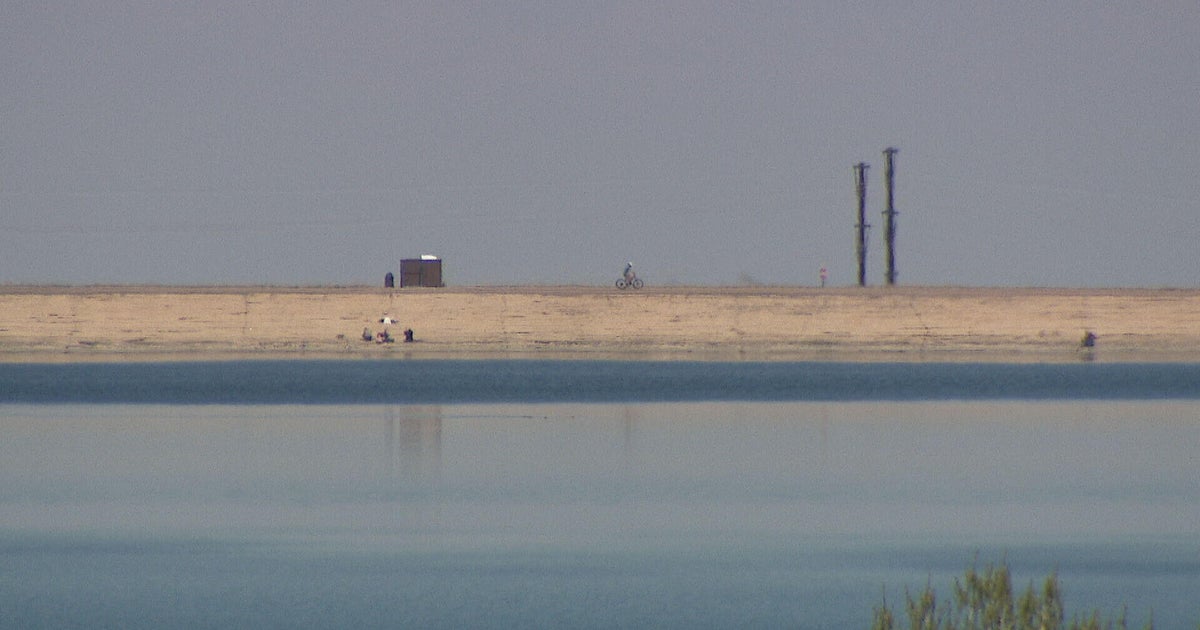
Spinney Mountain State Park is located near Lake George in Park County and closed for the season, but you can see even from the road that water levels are lower than they usually are. It's same story across many of the other reservoirs in the state.
"We have 12 total reservoirs, three of which we entirely own, and we are (at) roughly 59% of storage right now," said Cline.
When you consider that and the low snowpack in the mountains, this could be a historic drought year for Aurora Water.
"That means in terms of yield it's going to be some of the least we have seen since 2002," said Cline.
The winter isn't over yet, but at this point even a wet spring in the mountains may not help.
"We would probably need about 145% of the average amount of snowfall that we would see for the remainder of the season to be able to get us back to even average," said Cline.
Which means this summer, water may be at a premium in Aurora if city leaders decide to go into drought protocols.
"We would go into what is considered our Stage I water shortage plan, and that would reduce watering from three days a week, which is what we do every single summer down to two days a week," said Cline.
The last drought Aurora had was in 2023, but even then a wetter-than-average spring helped out with reservoir levels and snowpack. And while it's anyone's guess as to what will happen between now and the hottest days of the year, chances are Aurora will once again be in some sort of drought. But Aurora Water says they are prepared no matter what happens.
"We plan for this. We have an integrated system. We are certainly not panicked," said Cline.