50 years after 144 killed in Big Thompson flood, Colorado State University remembers role staff played in response
Fifty years since one of Colorado's deadliest natural disasters, Colorado State University is remembering the lasting impact of the 1976 Big Thompson Flood and the professor whose expertise helped bring answers to grieving families.
CBS News Colorado archive footage captured the devastation from July 31, 1976, when a devastating flash flood tore through the Big Thompson Canyon in Larimer County.
"We had a catastrophic flood in the Big Thompson Canyon, which is one of the big canyons that connects us up with Estes Park," said Jason LaBelle, professor of anthropology at Colorado State University.
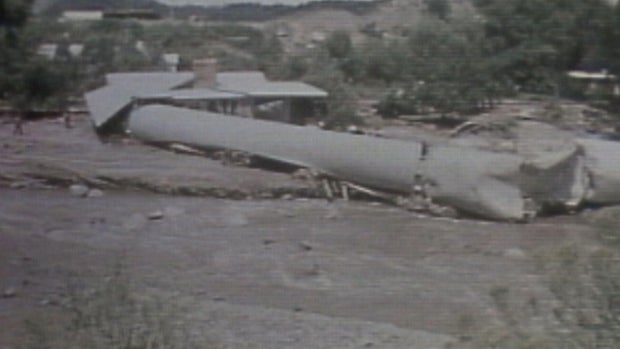
The flood struck with little notice, sweeping away homes, vehicles and campgrounds. The disaster ultimately claimed the lives of 144 people, making it one of the deadliest natural disasters in Colorado history.
"There was really no warning systems at the time. And, tragically, over one hundred people lost their lives," LaBelle said.
In the aftermath, CSU became an important part of the recovery effort through the work of Michael Charney, a professor in the university's Department of Anthropology and an expert in forensic identification of human remains.
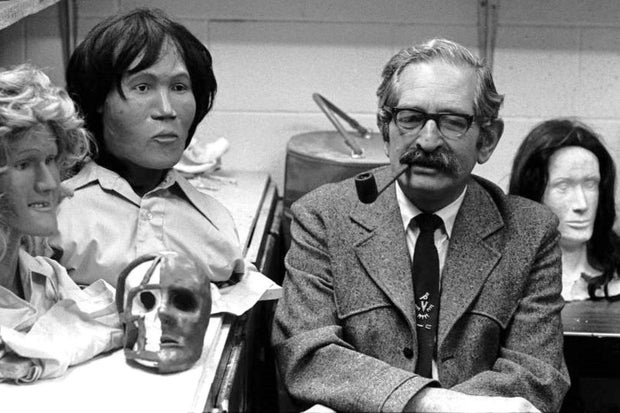
While identifying victims is typically handled by law enforcement agencies and coroners, LaBelle said the magnitude of the tragedy created an unprecedented challenge. With dozens of victims needing to be identified, Charney's expertise and proximity proved invaluable to investigators.
"Most catastrophes, you know, are of much smaller scales," LaBelle said. "He was the right person at the right time."
Beyond his role in helping families find answers after the flood, Charney also left a lasting impression on generations of CSU students, including LaBelle.
"I was fortunate as an undergraduate student to take one of his classes. He was in his late 70's at the time," LaBelle said.
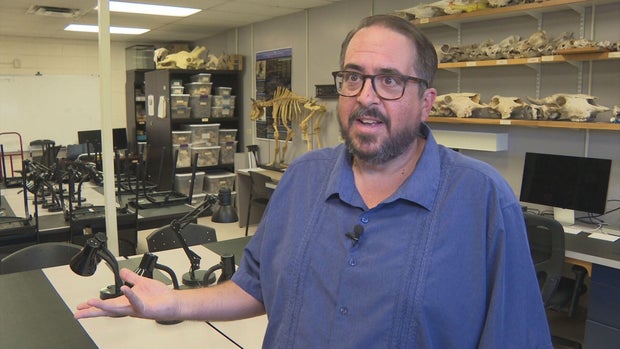
Now a professor himself, LaBelle said Charney's public service during the Big Thompson Flood remains an example of how anthropology can serve communities during times of crisis. He said that legacy continues to inspire students to pursue the field and use their expertise to help others.
Even after his death, Charney's commitment to education continues. He donated his body to Colorado State University, and today his skeleton is used in the university's biology department to help educate future generations of students.


