How a 19th-century trade route led to the founding of Trinidad, Colorado

Long before highways connected the ends of Colorado, a network of dirt roads known as the Santa Fe Trail carried commerce across the plains.
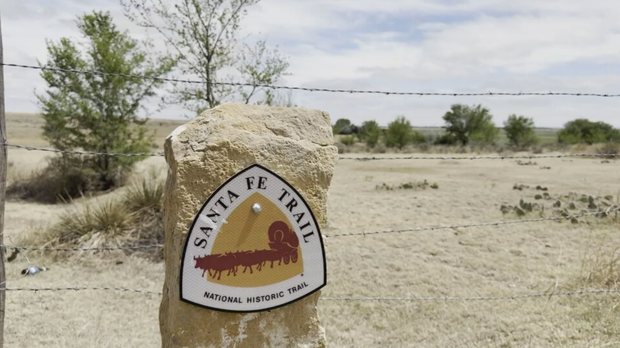
In the mid-1800s, wagon trains followed the Arkansas River through southeastern Colorado, past Bent's Old Fort, then turned south over Raton Pass into New Mexico. The trail also served as a meeting point for diverse cultures and led to the founding of a city as old as the state of Colorado itself.
"It's much more than just a route that people took," said Marggie Ferrendelli, director of the Trinidad History Museum. "It really became a way of commerce. ... Many different blends of culture and heritages came through the Santa Fe Trail."
The mountain branch of the trail ran from Holly to Trinidad and peaked in popularity in the mid-19th century. Today, little remains in southeastern Colorado except markers noting the original route, including one in Comanche National Grassland. Visitors who look closely can still see wagon ruts left by thousands of wagons that carried people and trade goods. Many stopped at places like Bent's Old Fort, a fur trading post built in the 1830s outside La Junta.
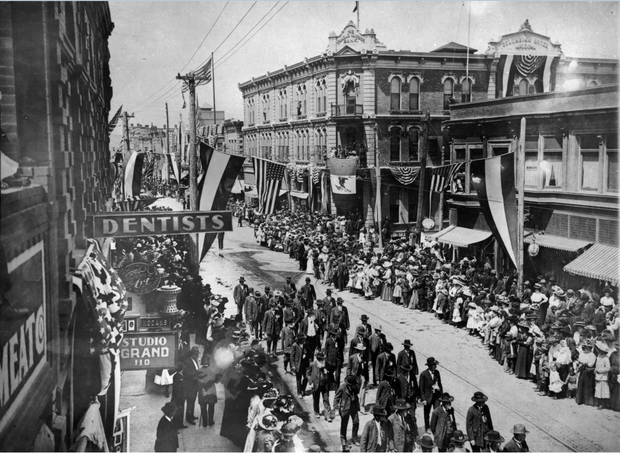
Eventually, a city took root along the trail, bringing vital trade and new opportunities to southern Colorado.
Felipe Baca, an ambitious sheepherder from New Mexico, arrived in the area in 1862. He is known for buying his Trinidad house, now a museum, for 22,000 pounds of wool.
"As Felipe Baca was coming through in 1862, he discovered what fertile land we had in Trinidad, so he brought families from northern New Mexico to settle Trinidad," said Lisa Glorioso, a Trinidad History Museum volunteer.
Baca farmed a small plot that did so well he returned to New Mexico and brought back 15 families to settle the town, Glorioso said.
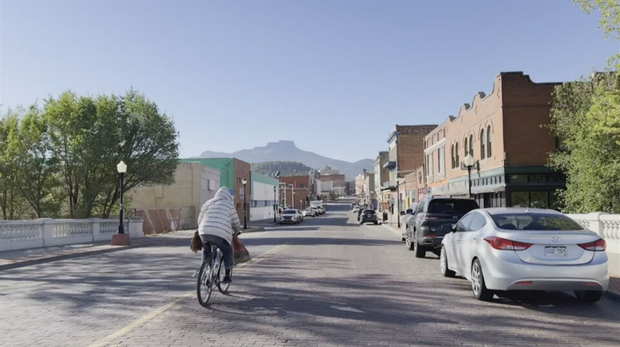
"If the Santa Fe Trail wouldn't have existed, then come this way, then there's a strong likelihood that Trinidad might have not ever been discovered," she said.
Trinidad officially became a city in 1876, the same year Colorado became a state.
"Once they settled here, commerce began, and they discovered coal, and then of course when the railroad came later on, Trinidad just exploded," Glorioso said.
Ferrendelli said Trinidad was more than a pass-through on the trail.
"Trinidad was more of a stop on the Santa Fe Trail. It became a chosen place where culture and community and borderlands met, and that is really the essence of Trinidad," she said.
While the wagons are long gone, Trinidad and the monuments and markers along the route remain reminders of those journeys.

Watch our "Elevating Latino Voices" special, featuring stories about remarkable people who have shaped Colorado's past and present and who are building its future. It airs Sunday at 1 p.m. and streams Monday at 8 p.m.


