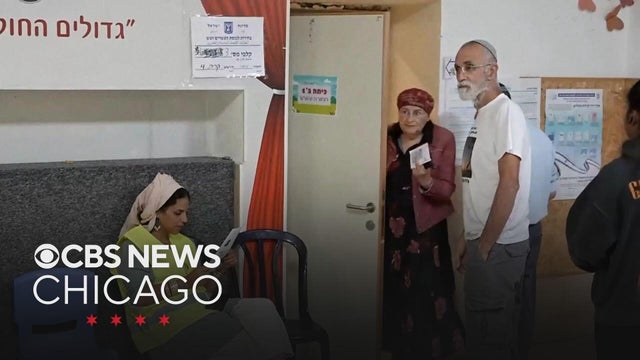
Israel holds high-stakes election
Prime Minister Benjamin Netanyahu is fighting for his political life, and the Israeli Central Elections Committee says it is seeing the highest voter turnout in decades.
Watch CBS News
Prime Minister Benjamin Netanyahu is fighting for his political life, and the Israeli Central Elections Committee says it is seeing the highest voter turnout in decades.
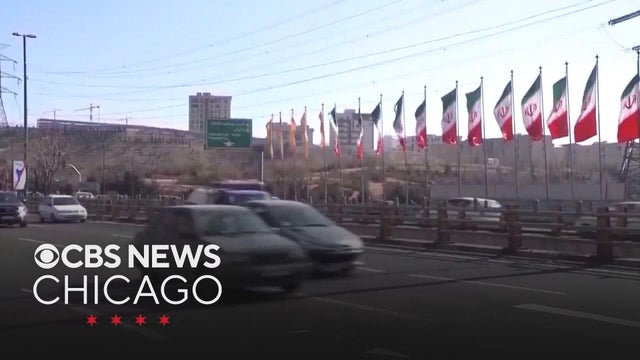
Israeli Prime Minister Benjamin Netanyahu has rejected a U.S.-backed Gaza peace plan and has vowed that there would be no military withdrawal until Hamas is “genuinely disarmed.” This comes after Iran issued a series of demands it expects the U.S. to meet before the Strait of Hormuz is reopened. Taurean Small reports.

The U.S. and Israel plan to hit Iran's energy infrastructure as soon as this weekend, although no final decision has been made, sources familiar with the matter told CBS News.

It was Israeli Prime Minister Benjamin Netanyahu’s first visit to the white house since the U.S. and Israel jointly launched strikes against Iran. Meanwhile, Ukrainian President Volodymyr Zelenskyy says he and President Trump discussed licenses for patriot interceptor production and also called for the diplomatic process to be reinvigorated.

Protests are underway in D.C. as Israeli Prime Minister Benjamin Netanyahu plans to meet with President Trump at the White House on Tuesday.

As Bradley Blackburn reports, the president is also trying to rally supporters with fewer than 100 days to go until the midterms.
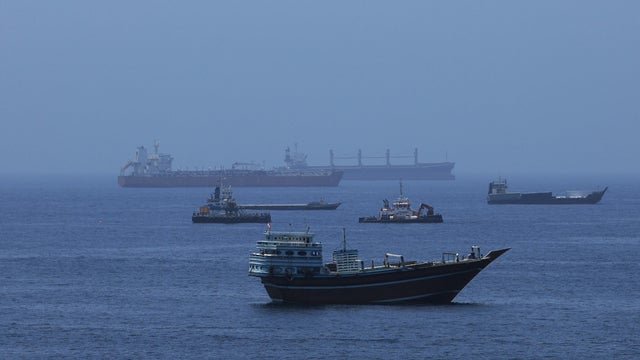
Talks between Oman and Iran on reopening the Strait of Hormuz and their respective territorial waterways have made progress, two sources told CBS News.

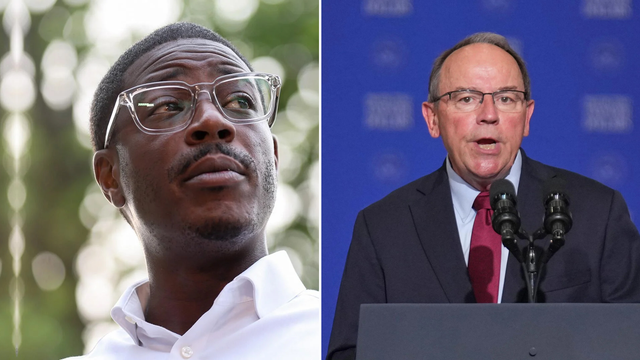
Former Chicago mayor Rahm Emanuel will deliver a speech before the Knesset in Tel Aviv later this week, during which he's expected to denounce Prime Minister Benjamin Netanyahu and deliver a bracing message that the country's relationship with the United States is "at a crossroads."

Rahm Emanuel is viewed as a potential Democratic presidential candidate and has been a longtime defender of Israel.
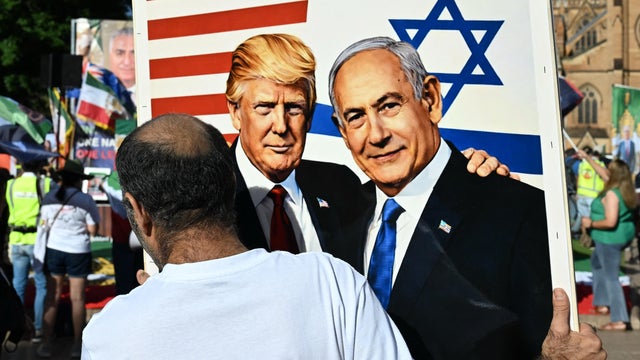
Trump has appeared during the Iran war to lose patience with Israeli Prime Minister Benjamin Netanyahu, who may now find himself "stuck."
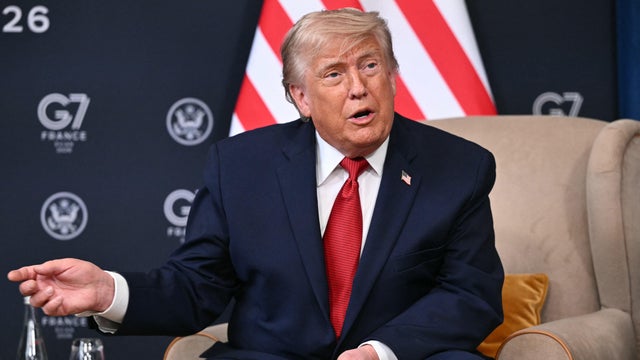
President Trump warned he could order new strikes if Iran's leaders "don't behave." The U.S. and Iran signed the memo of understanding remotely, a White House official said.
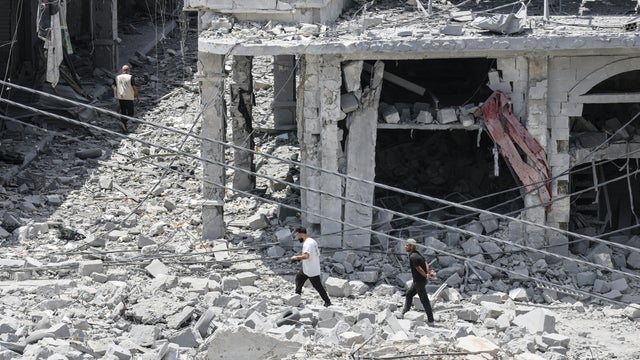
Senior U.S. officials say President Trump and Iran's top negotiator have already remotely signed a memorandum of understanding ahead of an expected signing ceremony.
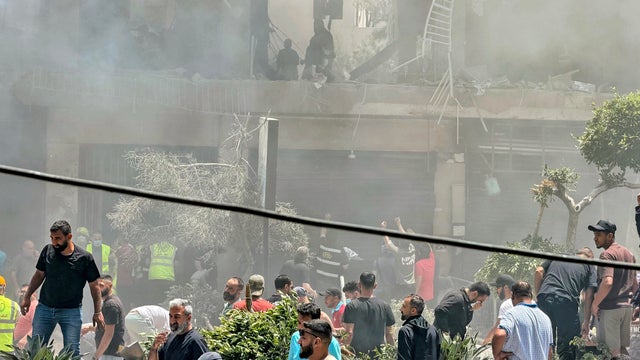
Pakistan's prime minister said Sunday the U.S. and Iran had reached a deal that includes "the immediate and permanent termination of military operations on all fronts, including in Lebanon."
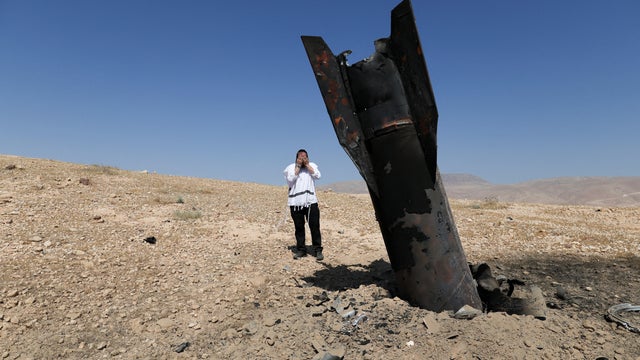
Iran and Israel declare a halt to fighting as President Trump says both are seeking an "immediate ceasefire" after a major escalation in the 101-day war.
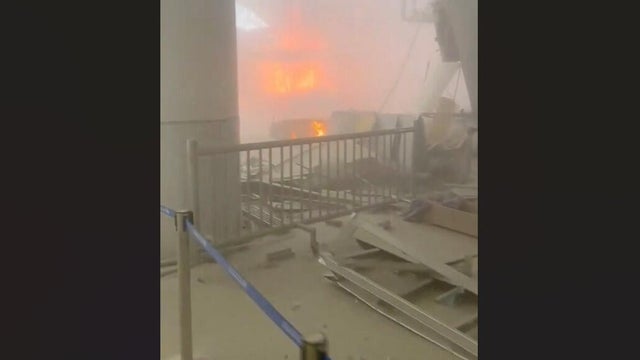
Israel and Lebanon agreed Wednesday to renew their fragile ceasefire and create a number of "pilot" security zones inside Lebanon where Hezbollah would be banned.
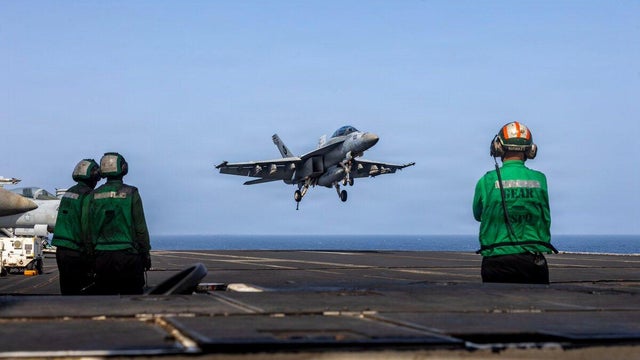
The vice president says the U.S. and Iran are "very close" to a deal, but are "not there yet." Meanwhile, the U.S. struck Iran, which retaliated against a U.S. base.
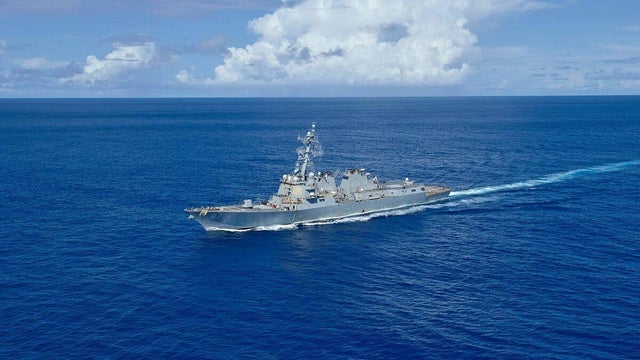
Iran launched attacks on the UAE and tankers in the Strait of Hormuz while the U.S. destroyed Iranian boats "that attempted to interfere" with Project Freedom.
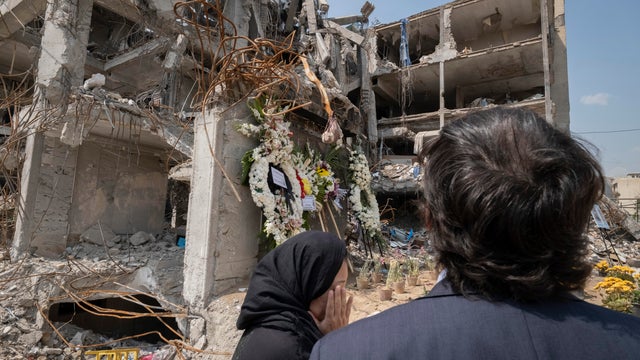
Iran balked at President Trump's demands for a peace deal amid a standoff over the Strait of Hormuz, as fear the war could reignite hits oil and energy markets.
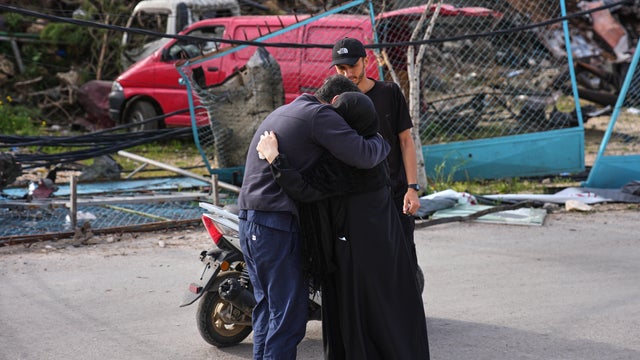
The leaders of Lebanon and Israel agreed to start a 10-day truce at 5 p.m. Eastern Time Thursday.

Israeli Prime Minister Benjamin Netanyahu says that ground forces have surrounded Hezbollah fighters and are about to eliminate a "great stronghold of Hezbollah" in southern Lebanon.
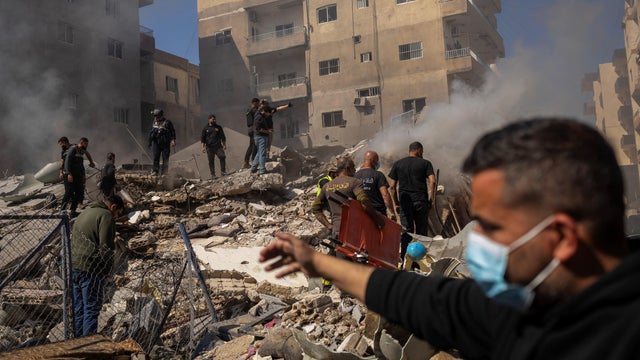
Iran says Israel is violating the ceasefire deal President Trump announced, and Tehran appears to still have control over shipping in the Strait of Hormuz.
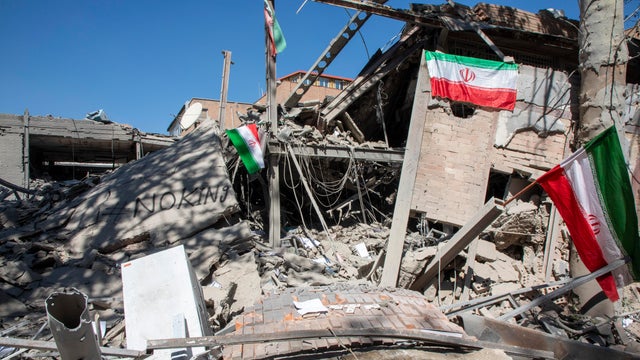
President Trump announced that the U.S. and Iran had agreed to a two-week ceasefire that was contingent on the reopening of the Strait of Hormuz.
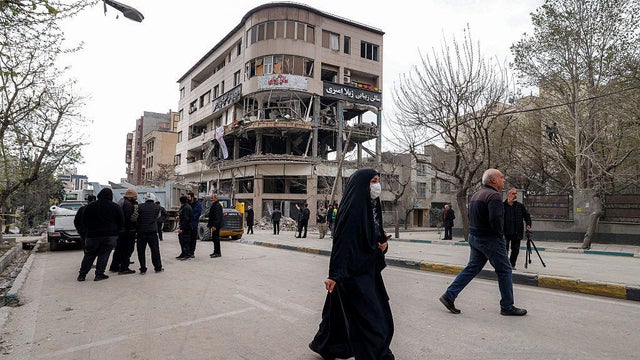
It's unclear if the talks would be direct or indirect, and Washington and Tehran aren't commenting. This, as Iran warns the U.S. not to start ground operations.
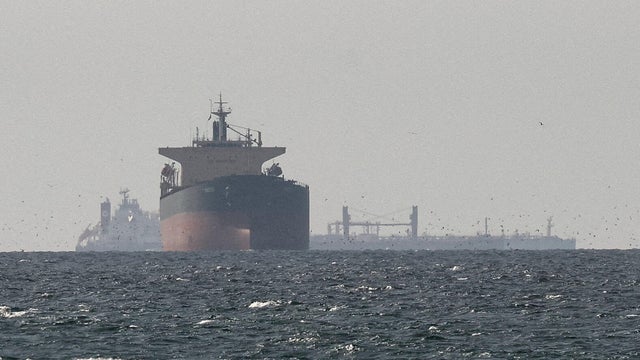
The president threatened to "obliterate" Iranian power plants if Iran didn't reopen the Strait of Hormuz by late Monday night Eastern Daylight Time.
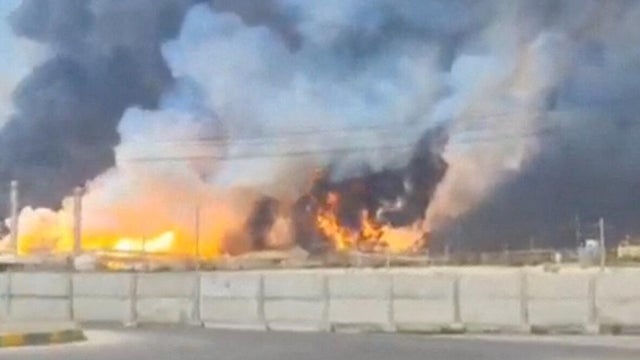
As Iran retaliates for an Israeli strike on the South Pars gas field, one analyst warns the war is "now hitting the plumbing of the global energy system."