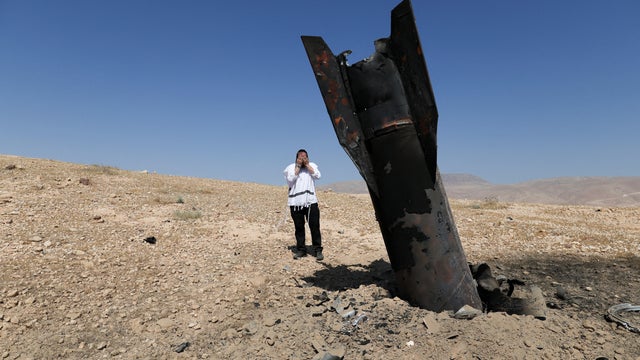
Iran and Israel say attacks halted after Trump tells both to "stop 'shooting'"
Iran and Israel declare a halt to fighting as President Trump says both are seeking an "immediate ceasefire" after a major escalation in the 101-day war.
Watch CBS News
Iran and Israel declare a halt to fighting as President Trump says both are seeking an "immediate ceasefire" after a major escalation in the 101-day war.
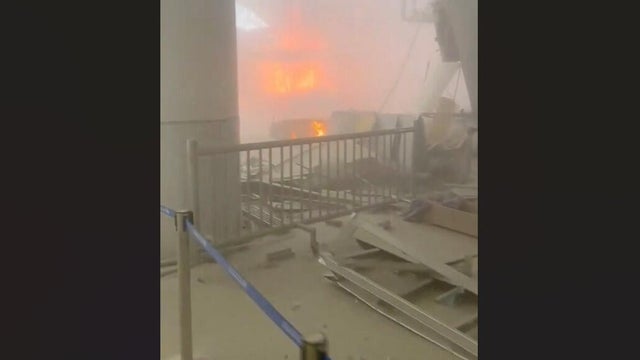
Israel and Lebanon agreed Wednesday to renew their fragile ceasefire and create a number of "pilot" security zones inside Lebanon where Hezbollah would be banned.

The Northlake Police Department issued a warning about a new scam at gas stations that is low tech, but effective.
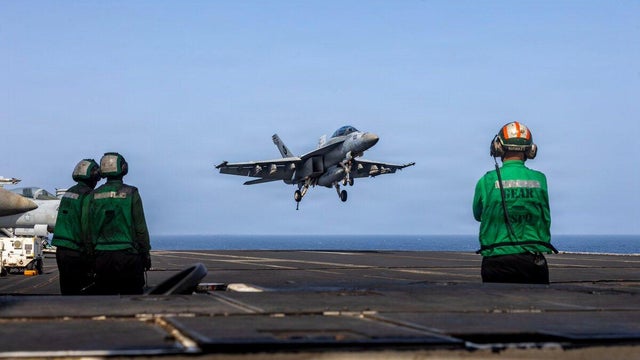
The vice president says the U.S. and Iran are "very close" to a deal, but are "not there yet." Meanwhile, the U.S. struck Iran, which retaliated against a U.S. base.
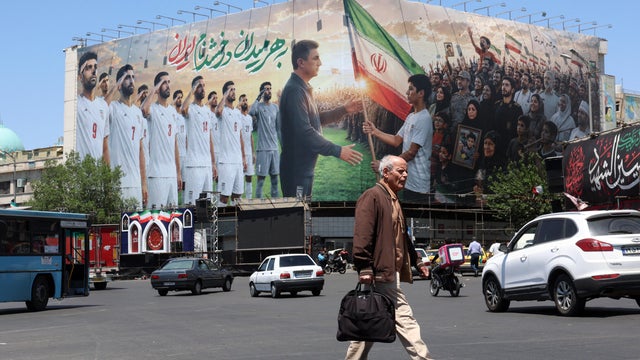
President Trump says he scrapped a planned attack on Iran at the request of Gulf allies as "serious negotiations" on a peace deal are underway.
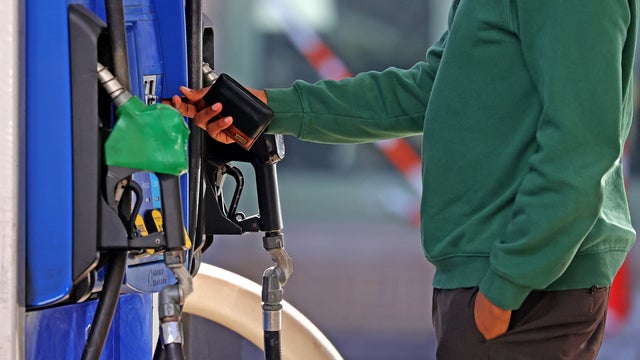
Gas prices are now 52% higher than prior to the Iran war, with drivers paying $1.56 more per gallon, data shows.
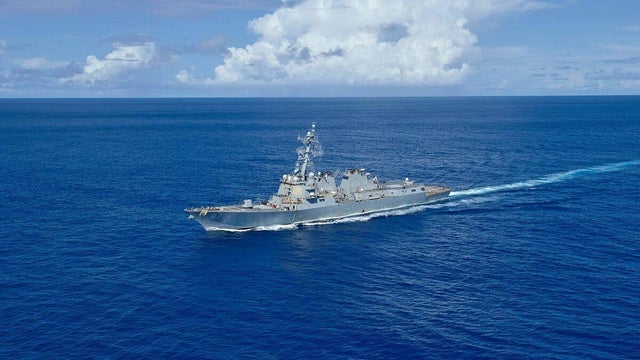
Iran launched attacks on the UAE and tankers in the Strait of Hormuz while the U.S. destroyed Iranian boats "that attempted to interfere" with Project Freedom.

Brent crude surged past $126 a barrel early Thursday, while U.S. gasoline prices jumped to $4.30 a gallon.
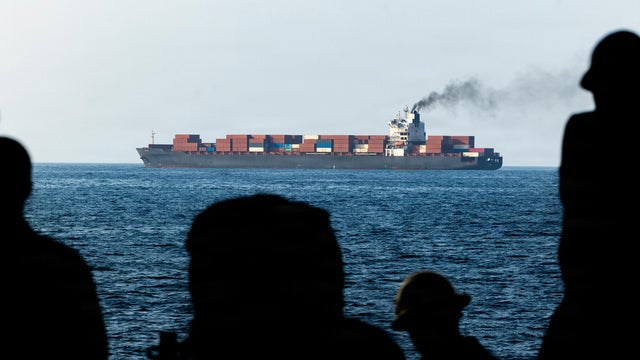
Iran renews attacks in the Strait of Hormuz after Trump says he's extending a ceasefire indefinitely, as thousands more U.S. forces head for the region.
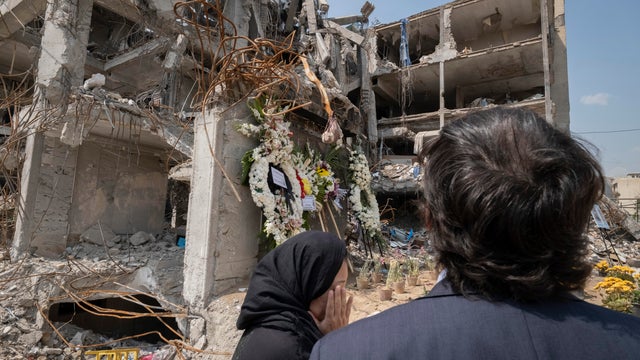
Iran balked at President Trump's demands for a peace deal amid a standoff over the Strait of Hormuz, as fear the war could reignite hits oil and energy markets.
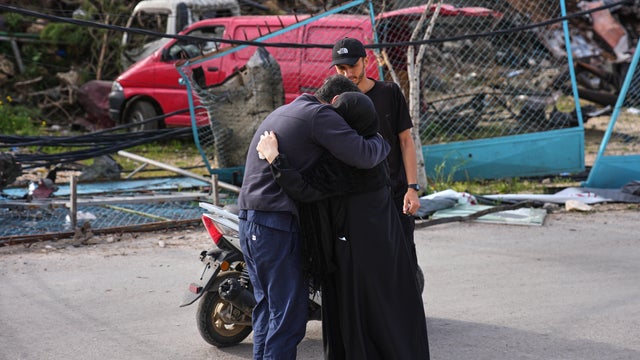
The leaders of Lebanon and Israel agreed to start a 10-day truce at 5 p.m. Eastern Time Thursday.
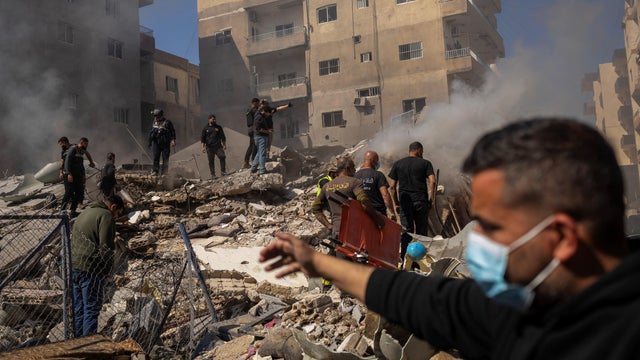
Iran says Israel is violating the ceasefire deal President Trump announced, and Tehran appears to still have control over shipping in the Strait of Hormuz.
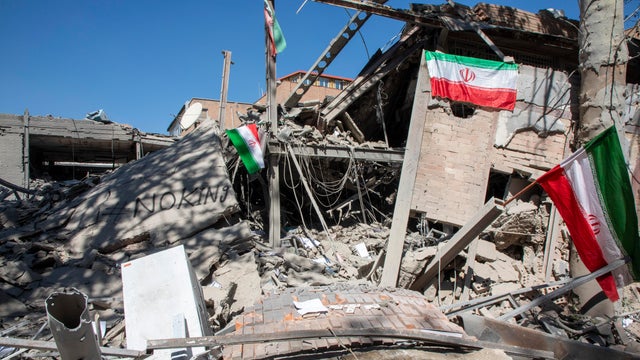
President Trump announced that the U.S. and Iran had agreed to a two-week ceasefire that was contingent on the reopening of the Strait of Hormuz.

Goolsbee, president of the Federal Reserve Bank of Chicago, said mounting inflation risks "complicates the picture" on interest rates.
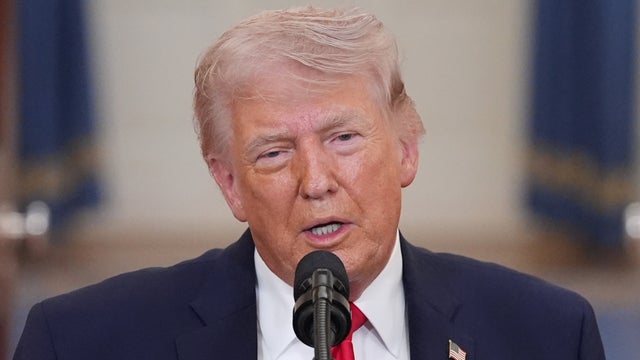
Stocks rebound after sliding in early-day trade, with investors buoyed by reports that Iran and Oman could monitor ship traffic in the Strait of Hormuz.
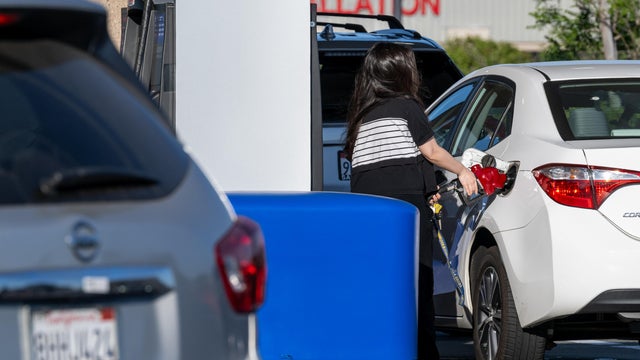
The average price of gas across the U.S. last reached $4 after Russia's invasion of Ukraine sent crude oil prices surging.
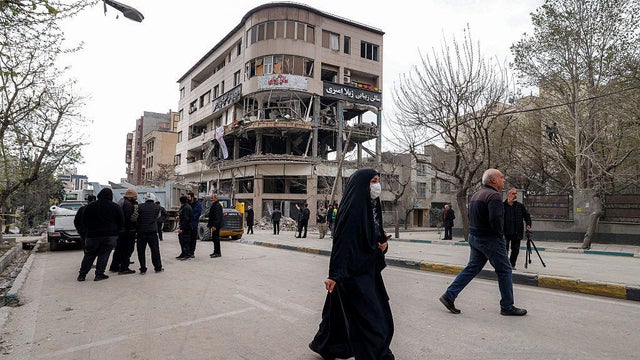
It's unclear if the talks would be direct or indirect, and Washington and Tehran aren't commenting. This, as Iran warns the U.S. not to start ground operations.

The U.S. Postal Service is raising some postage prices to help offset the federal agency's rising transportation costs as fuel prices surge.
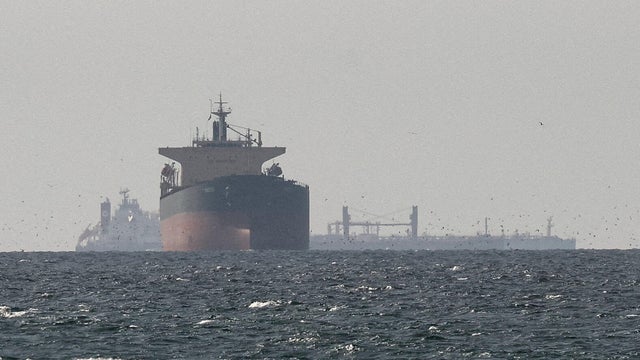
The president threatened to "obliterate" Iranian power plants if Iran didn't reopen the Strait of Hormuz by late Monday night Eastern Daylight Time.

Experts warn that surging energy costs are likely to ripple through U.S. supply chains, resulting in higher prices online and in stores.
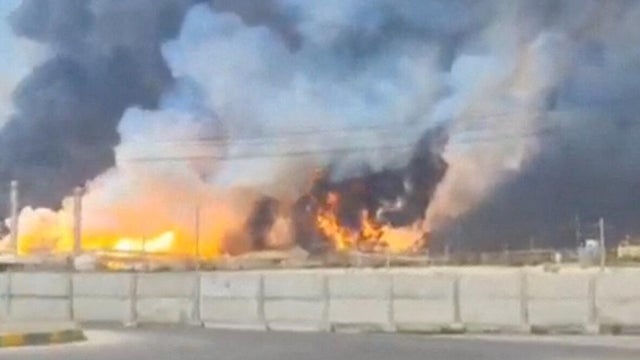
As Iran retaliates for an Israeli strike on the South Pars gas field, one analyst warns the war is "now hitting the plumbing of the global energy system."
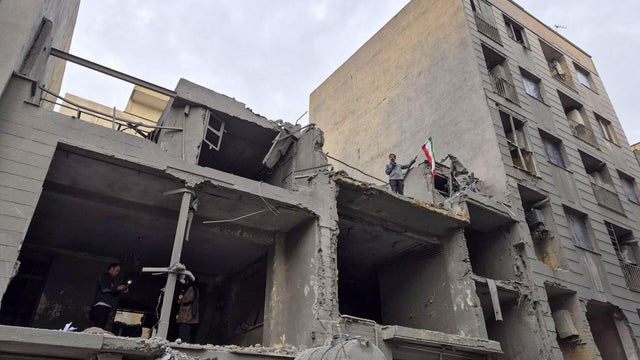
Israel says it killed Iran's top security official Ali Larijani, as America's European allies reject President Trump's demands for help in the Strait of Hormuz.
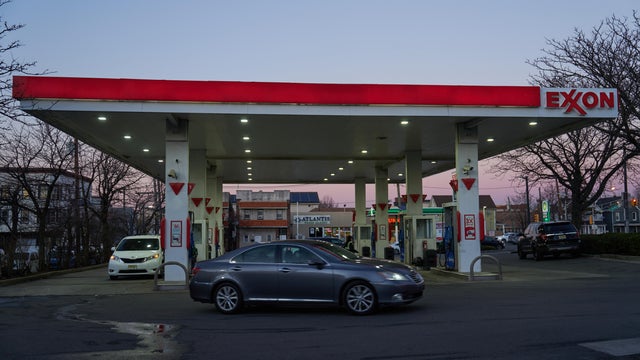
Even if oil prices ease, they won't return to the levels they were at before the war started, according to Patrick De Haan of GasBuddy.
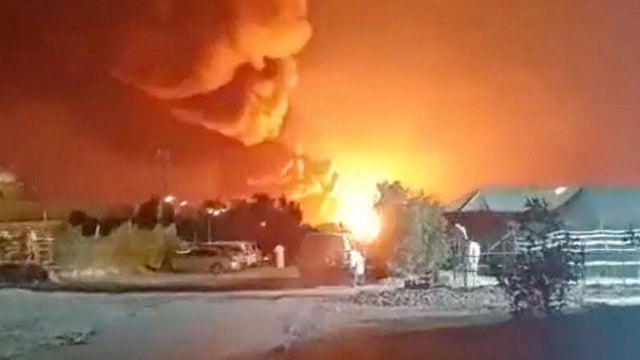
President Trump says the Iran war will end "very soon," but Tehran says it's "prepared to continue attacking" indefinitely, and it won't let oil leave the Gulf.

President Trump's assurances that a rising U.S. death toll and soaring energy prices will be temporary and worth the pain are failing to assuage jittery investors.