Federal Reserve raises interest rates for the first time since 2023
The Fed increased its benchmark rate by 0.25 percentage points to battle resurgent inflation driven by soaring energy prices.
Watch CBS News
The Fed increased its benchmark rate by 0.25 percentage points to battle resurgent inflation driven by soaring energy prices.
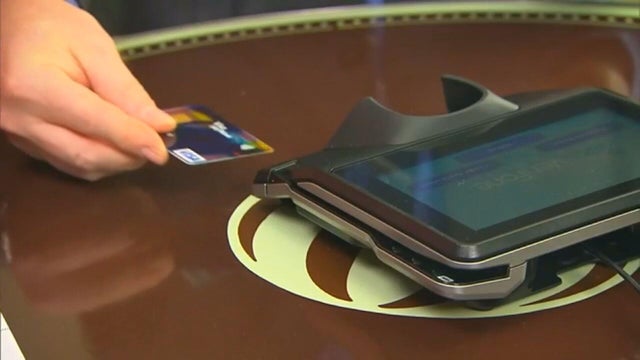
Whether you have a balance on a credit card or are thinking about buying a car or a home, the increased interest rate by the Federal Reserve may impact your financial goals.
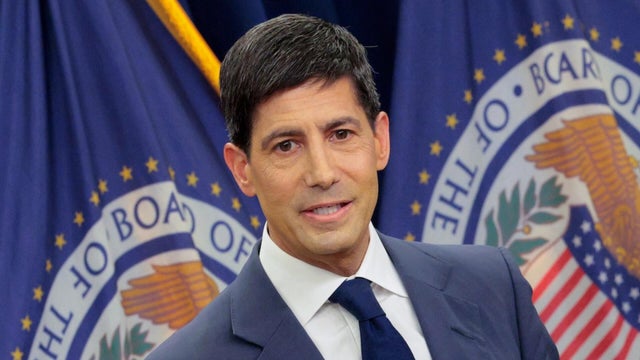
Announcing the first interest rate hike since 2023, Federal Reserve Chair Kevin Warsh says the decision comes at a time when the economy appears to be strengthening.
The Federal Reserve raised interest rates for the first time since 2023 on Wednesday, reversing course as the Iran war drives up global energy prices and fuels inflation.
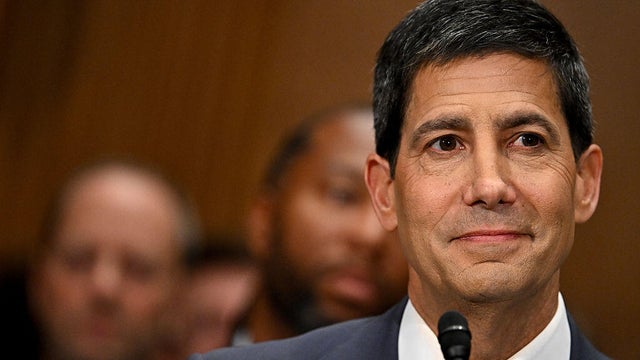
New Fed Chairman Kevin Warsh is stepping in at a critical juncture for the U.S. economy, with inflation at its highest level in more than three years.
The policy meeting comes after the government said inflation had risen to a three-year high. As CBS News Business Analyst Jill Schlesinger explains, the Federal Reserve is expected to keep interest rates stable.

Fed officials are grappling with a host of economic challenges, from stubborn inflation to a slowing job market.
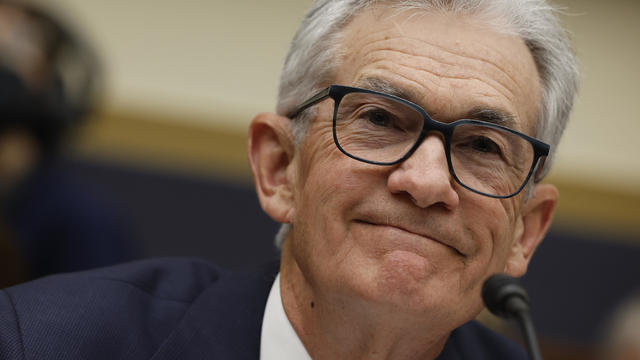
Federal Reserve Chair Jerome Powell has been under pressure from President Trump to lower the central bank's benchmark interest rate.
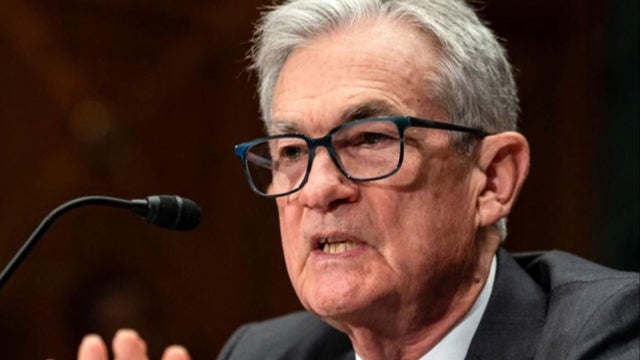
The Fed is maintaining its benchmark interest rate in the range of 4.25% to 4.5%, where it's been parked since December.
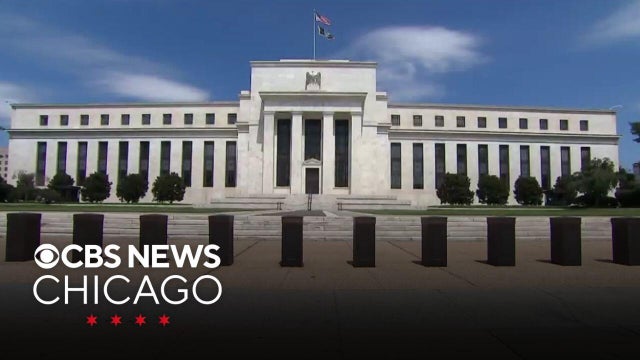
Investors are closely watching the Federal Reserve as it meets in Washington, D.C., to announce what's next for interest rates. President Trump is pushing the board to reduce rates.
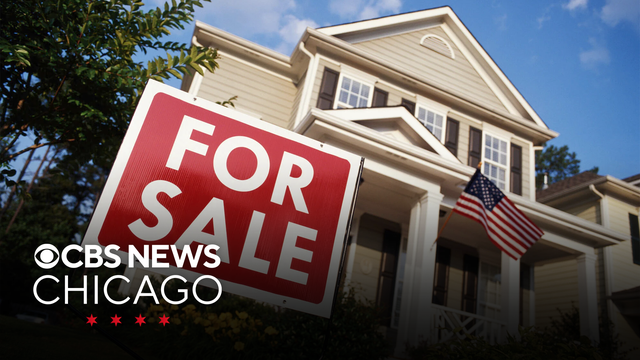
The National Association of Realtors say high home prices and high mortgage interest rates are turning away potential buyers. Home prices have increased for 22 straight months, and interest rates are nearly 6.9%.
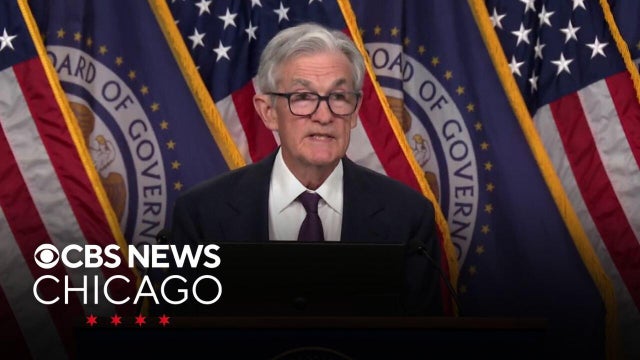
The Federal Reserve kept its key interest rate unchanged at its May meeting on Wednesday, brushing off President Trump’s demands to lower borrowing costs.
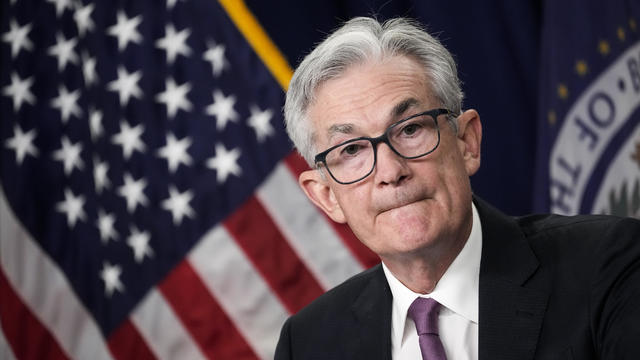
The Federal Reserve on Wednesday moved to lower its benchmark rate by 0.25 percentage points, but said it plans fewer cuts in 2025.
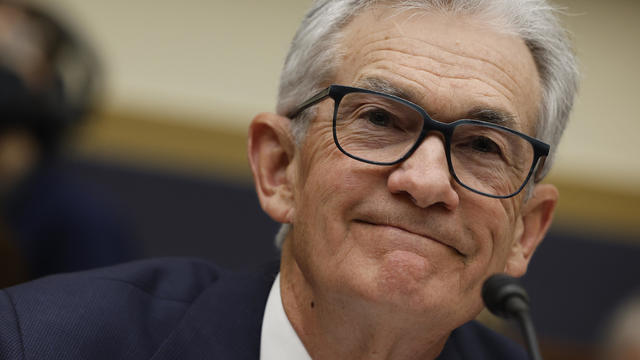
The Federal Reserve just lowered its benchmark rate by 0.50 percentage points. Here's how the move could impact your finances.
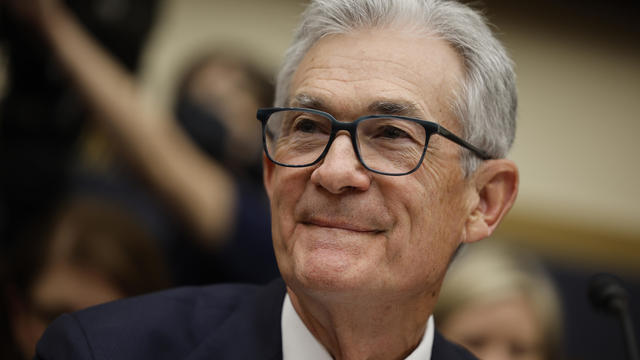
The Fed's decision will lower borrowing costs from a 23-year high as the central bank pivots to shoring up economic growth.
Federal Reserve Chair Powell, speaking at a conference in Jackson Hole, Wyoming, said the timing and pace of rate cuts will depend on economic data.
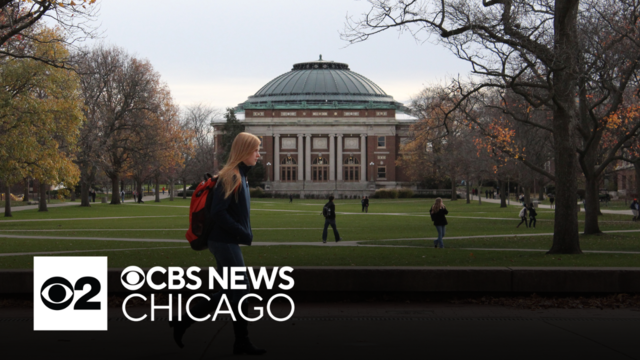
College students can expect some sticker shock as interest rates on federal student loans will increase on July 1.
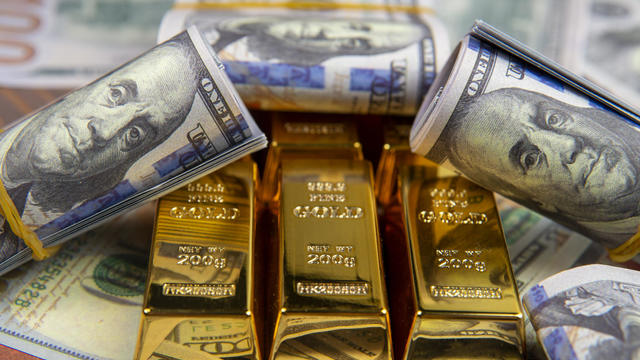
Inflation is moving sideways, remaining above 3% for the first three months of 2024. Here's how that could impact your finances.
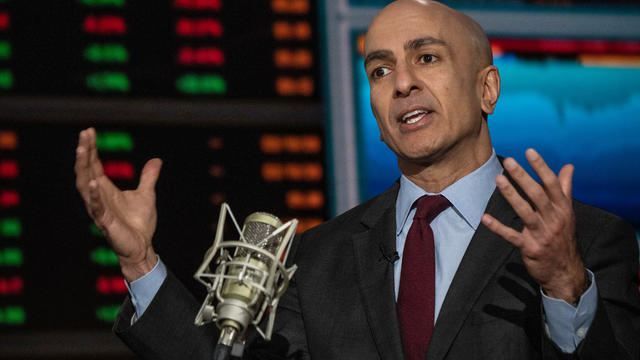
One Fed official on Thursday said if the economy continues to demonstrate strength, "Why would we cut rates?"
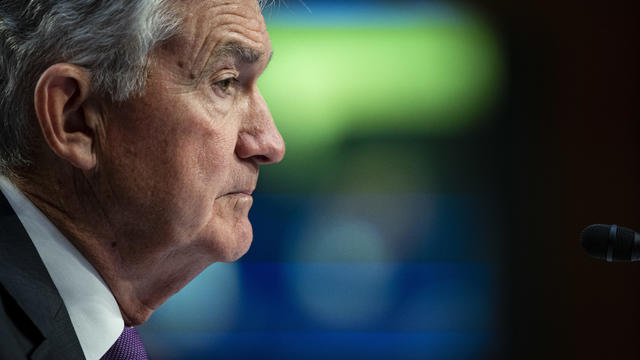
The Federal Reserve marked its first rate decision of 2024 by keeping its benchmark interest rate unchanged.
In the past year and a half, the Federal Reserve has increased interest rates to the highest level in 22 years in an attempt to ease inflation. The Fed is trying a new strategy. CBS News business analyst Jill Schlesinger reports.