Congress approves short-term funding bill to avoid shutdown
The stopgap measure averts a partial government shutdown, delaying the funding deadlines until March.
Watch CBS News
The stopgap measure averts a partial government shutdown, delaying the funding deadlines until March.
A deal has been reached for a continuing resolution that would fund the government through March 1 and March 8, congressional leaders said Sunday night.
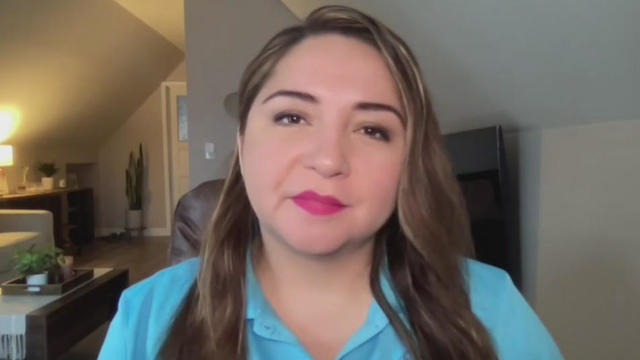
Congresswoman Delia Ramirez of Illinois' 3rd District speaks with CBS 2 about President Biden signing the temporary bill to avert a government shutdown and Pritzker’s response to the migrant crisis.
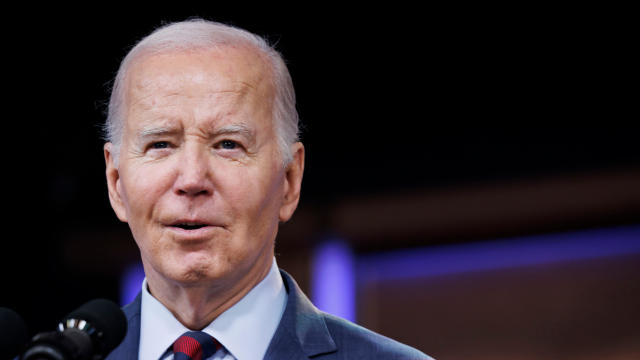
The bill will fund the government at current levels until mid-January.
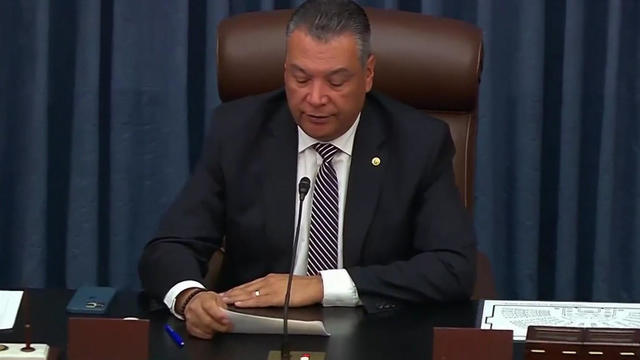
One day after passing overwhelmingly in the House, Congress has given final approval to a temporary government funding package averting a nationwide shutdown.
The House voted to keep government agencies funded until at least Jan. 19 in a bipartisan vote.
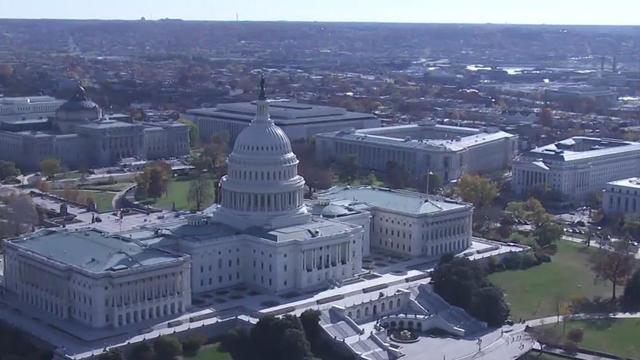
Congress needs to avoid a shutdown before Friday. Lawmakers are running right up to the deadline once again. It's making federal employees worry about their paychecks, ahead of the holidays.

The approach is unusual for a stopgap spending bill. Usually, lawmakers extend funding until a certain date for all programs.
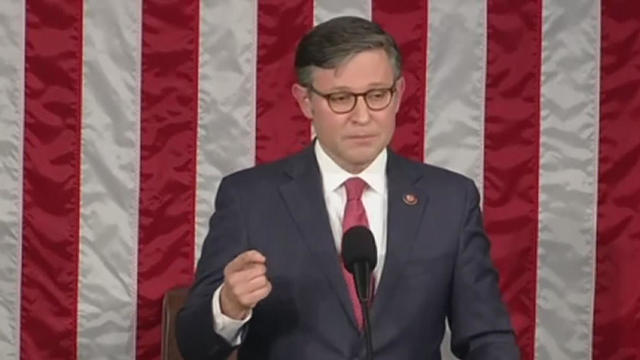
Johnson is proposing a two-step plan to fund the government. The first part of the bill would extend funding until Jan. 19 for certain programs. The second part would extend funding until Feb. 2 and cover the rest of the government.

Quigley was the only Democrat to vote against the bill this past weekend.
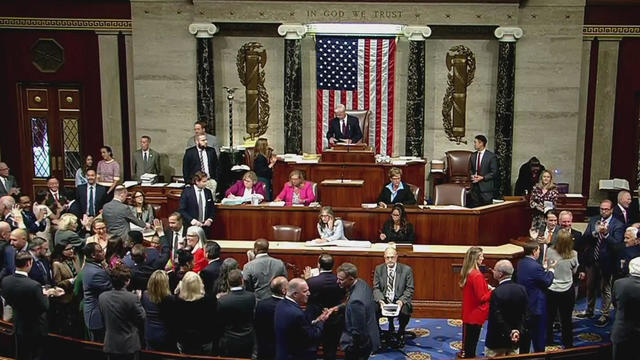
The bill, which funds the government through Nov. 17, was signed into law by President Biden late Saturday night, the White House confirmed.
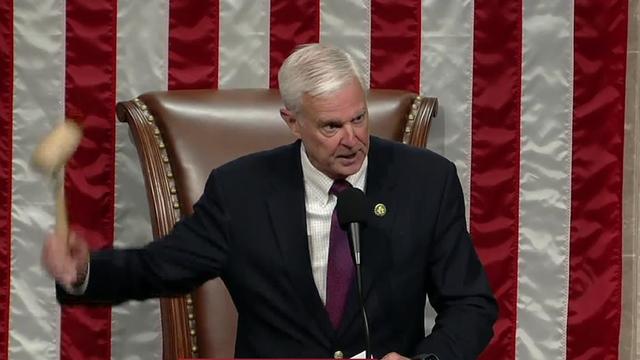
Hours before a midnight deadline, Congress passed a short-term funding bill to keep the government running for 45 days.
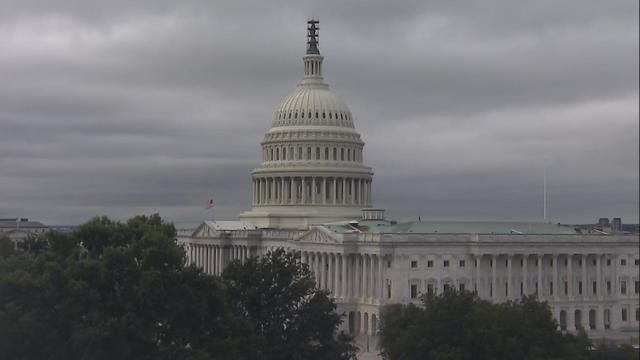
On Friday, the House rejected a measure that would have extended funding until Oct. 31 at lower levels, with 21 Republicans joining all Democrats in opposition.
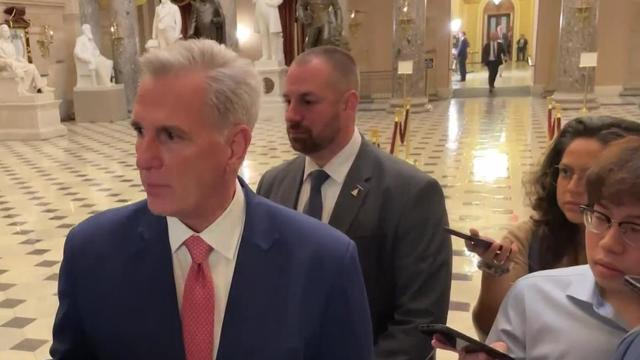
McCarthy doesn't appear to have the votes meaning millions of Americans will soon feel the impact of a government shutdown. CBS News' Nicole Sganga has more details from Capitol Hill.
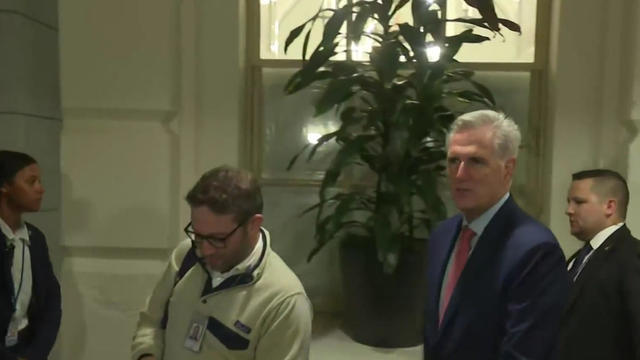
House Speaker Kevin McCarthy says he does not have enough support to pass even a temporary measure to keep the government running.
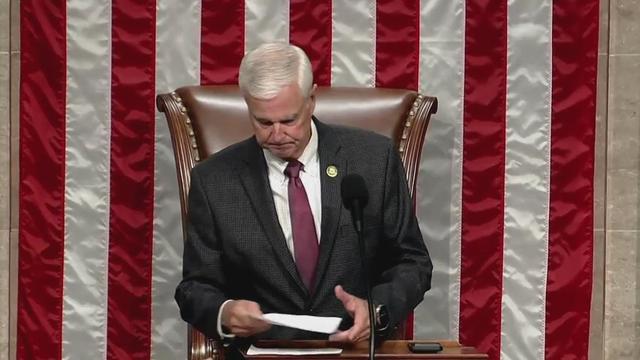
There are dueling strategies to keep the government going, but right now it doesn't look like the Republican House or the Democratic Senate will pass each other's bills.
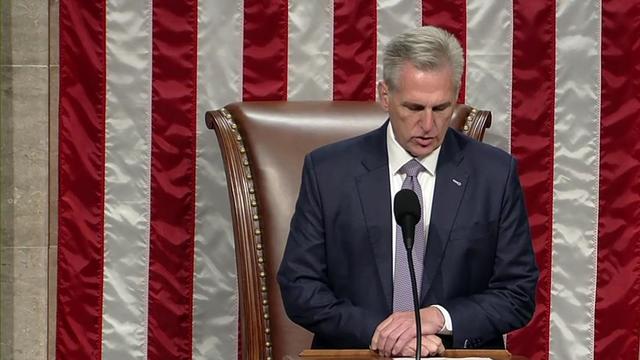
Lawmakers have until midnight Saturday to get a deal done. CBS 2's Joe Donlon reports on where negotiations stand right now.
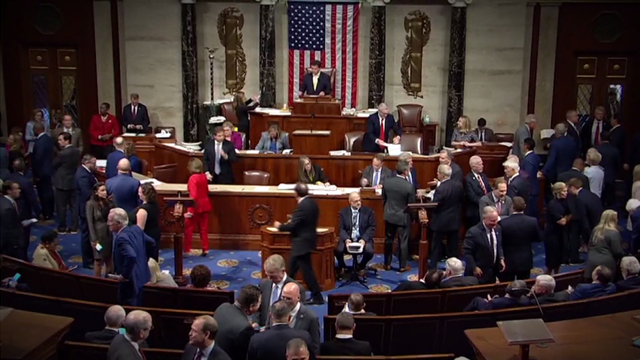
Congress has until Saturday night to pass a dozen appropriations bills funding the federal government for another year.
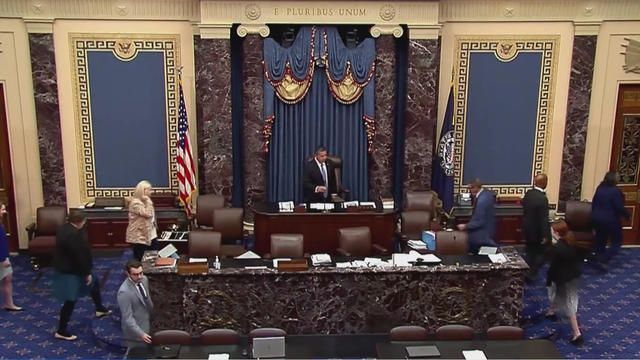
Time is running out to avoid a government shutdown – so what comes next, and how could a possible shutdown affect you? CBS 2's Marybel Gonzalez reports.
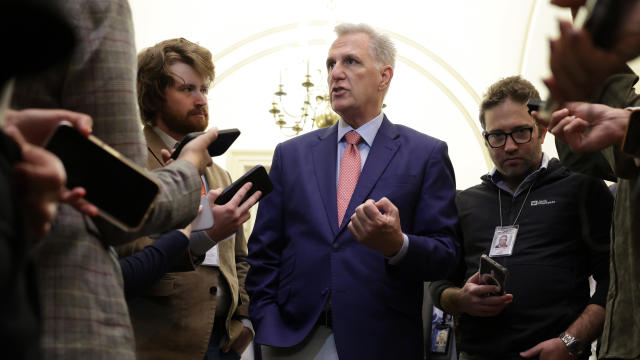
House Republicans' efforts to pass four spending bills would not avert a government shutdown.

A total of 39 people were killed trespassing on railroad tracks in Illinois last year alone.
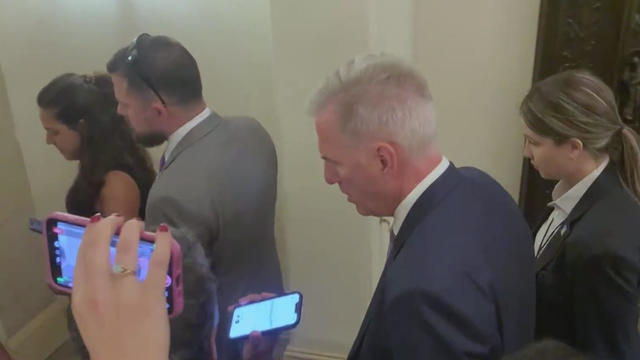
Congress remains at an impasse on a funding deal, with just six days to go. Rob Kirkpatrick reports.
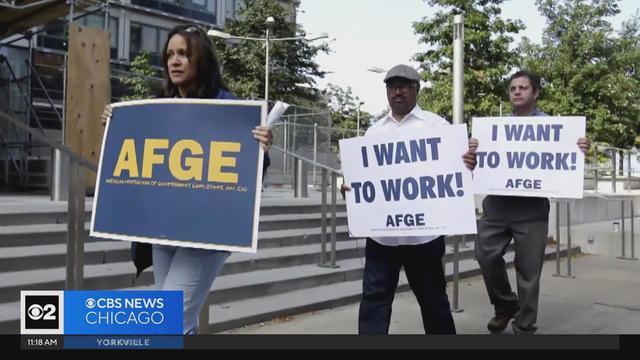
If Congress doesn't pass a spending bill soon - there will be a government shutdown. But House Speaker Kevin McCarthy is struggling to build consensus among House Republicans. CBS News' Natalie Brand reports.
The deadline for government funding is Sept. 30.
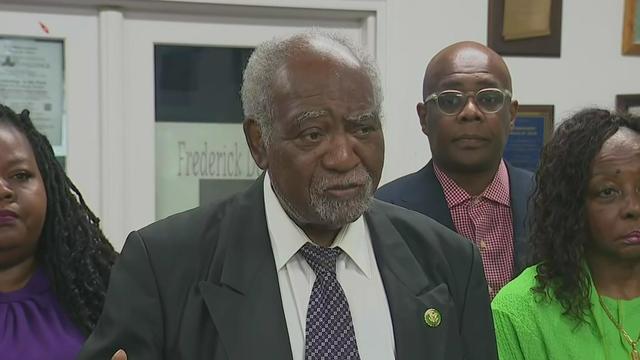
The threat of a federal government shutdown is looming, and Congressman Danny Davis is sounding the alarm of the potential consequences.