Judge orders agents in Chicago area to wear bodycams, adding she's "startled" over violent clashes


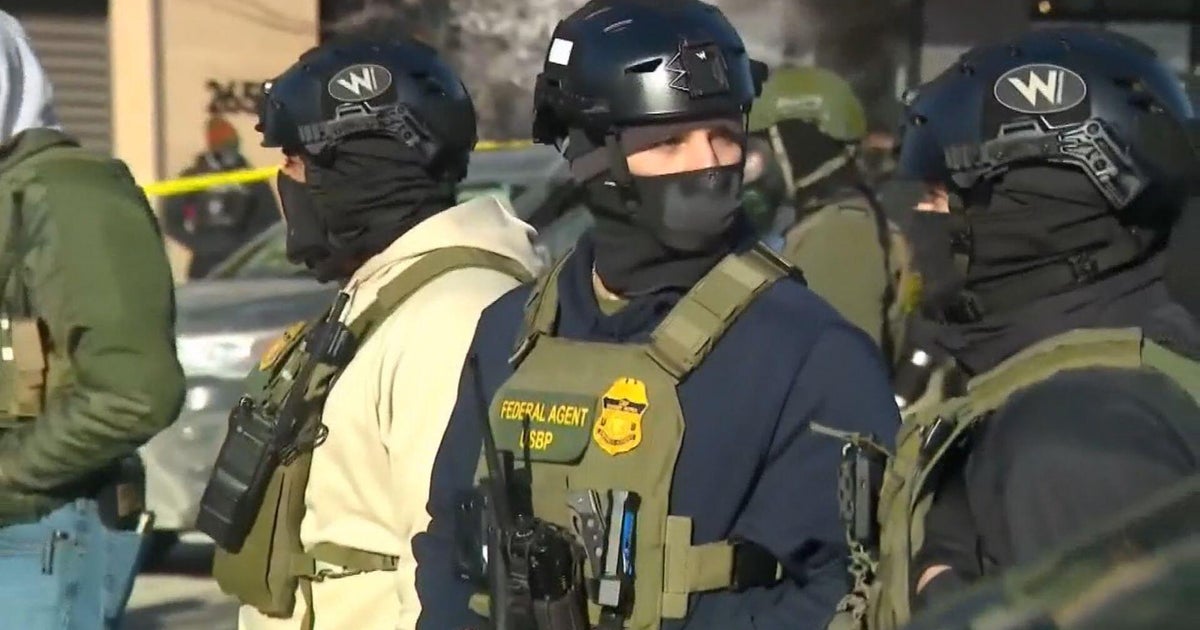
A federal judge in Chicago has ordered immigration agents in Chicago to wear body cameras on duty, after raising concerns about agents' use of tear gas against protesters.
U.S. District Judge Sara Ellis said her order would require any federal agents working under Operation Midway Blitz to wear body-worn cameras and keep them on during "law enforcement activities." Details of the order were still being worked out ahead of another hearing in the case next week.
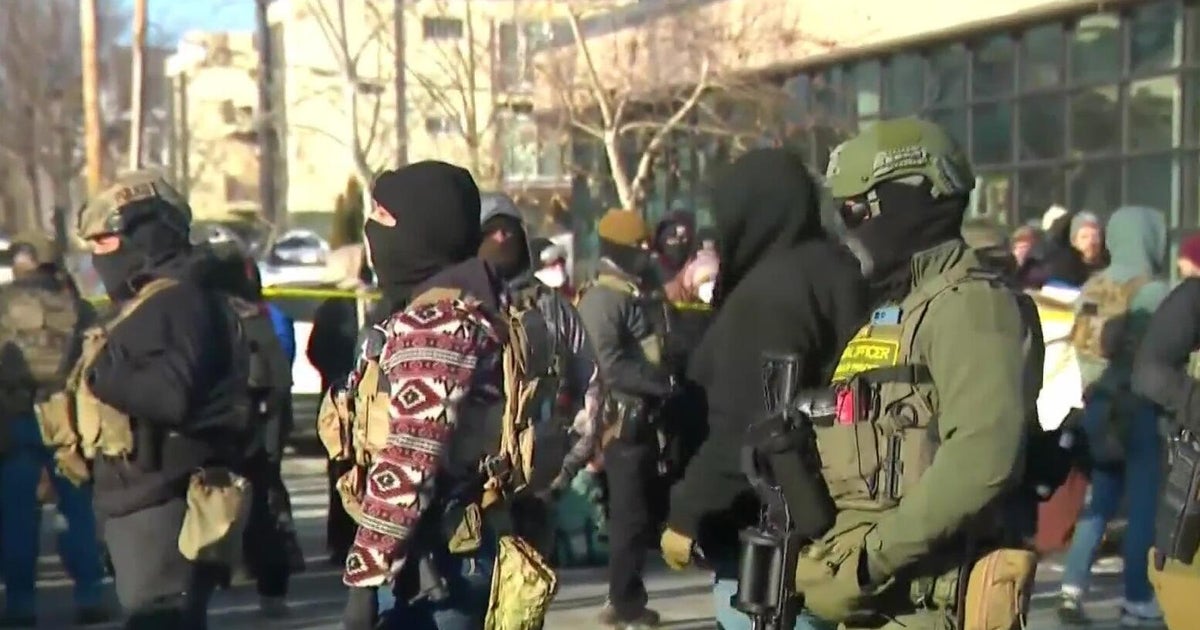
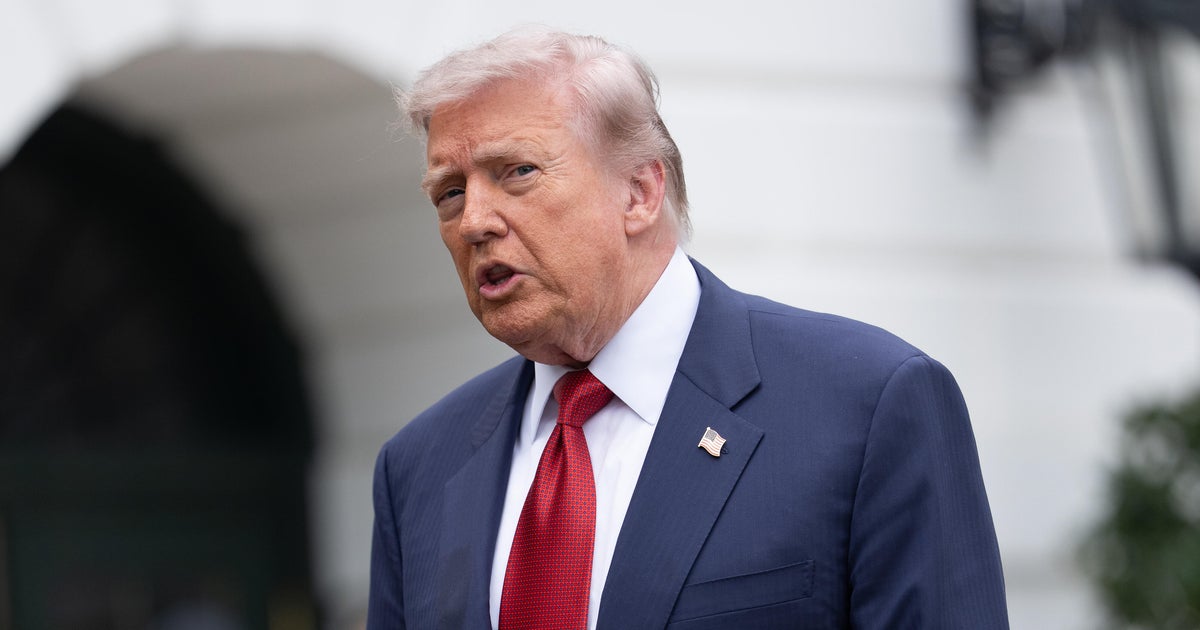
Ellis said she was a "little startled" after seeing TV images of street confrontations that involved tear gas and other tactics during an immigration crackdown by President Donald Trump's administration, in apparent violation of an earlier order she had issued limiting such tactics by immigration agents against peaceful protesters and journalists.
"I live in Chicago if folks haven't noticed," Ellis said. "And I'm not blind, right?"
In a statement, a Homeland Security spokesperson said there is currently no order requiring body cameras, but if a court were to enter such an order, it would be "an extreme act of judicial activism."
While Ellis' order requiring agents to wear body cameras has not yet been entered into court records, she has told attorneys for the Trump administration and the plaintiffs' attorneys to meet to discuss specific language for the order ahead of the next hearing on Monday, when Ellis also has ordered Chicago ICE Field Office Director Russell Hott to appear in court to answer questions about those apparent violations of her earlier order.
Ellis' order for federal agents to wear body cameras during the ongoing immigration enforcement operation in Chicago is meant to confirm agents are giving the court-ordered two warnings before using tear gas, rubber bullets and other methods.
"These body cams will allow us to ensure that the real story's being told and that there is transparency," said Chicago Ald. Jessie Fuentes (26th), who was forcefully detained by ICE agents earlier this month as she was checking on a detainee who had been taken to the hospital.
Law enforcement expert Eric Piza, a professor of criminal justice at Northeastern University, said if federal agents were required to use body cameras, there would be challenges, including enforcement and cost.
"This isn't going to be cheap. Most of the expense goes towards storing the video footage at the local level, and ICE being such a large national agency, that's going to increase that by magnitude," he said.
In 2024, under the Biden administration, ICE distributed 1,600 body cameras to agents in various cities, not including Chicago.
ICE does have a body camera policy, but implementation is dependent on availability of funding.
"Documenting things with video whenever possible, these interactions, is so important," said Elias Cepeda, who leads Pilsen Defense & Access, which among other things operates rapid response teams to monitor ICE sightings in the Chicago area, as well as volunteer patrols to watch for ICE activity.
Cepeda was detained and released hours later by agents during a protest at the ICE facility in Broadview last month. He and his group often come face-to-face with agents.
"They are becoming increasingly irritated at being monitored legally at safe distances, at being recorded, and they're threatening arrests, they're threatening violence," he said.
Cepeda said his group tries to video record confrontations with agents, but it's not always possible. He said he supports the judge's demand to have agents wear and use body cameras... To document their actions.
"At least we have the theoretical legal mechanisms to have those tapes released, whether it's FOIA in the press, whether it's subpoenas in the courts," he said.
Appeals court maintains block on Trump's deployment of National Guard in Illinois
Separately, hours later, a federal appeals court ruled against the Trump administration and said a lower court's temporary ban on deploying the National Guard to assist immigration officers in Illinois would stay in place while the government pursues an appeal.
Community efforts to oppose U.S. Immigration and Customs Enforcement have ramped up in Chicago, where neighborhood groups have assembled to monitor ICE activity and film incidents involving agents. More than 1,000 immigrants have been arrested since September.
An immigration enforcement building in Broadview, outside Chicago, has been the site of regular protests. The Trump administration has tried to deploy Guard troops, in part to patrol at the Broadview location, but the strategy was halted on Oct. 9 for at least two weeks by a different federal judge.
Ellis last week said agents in the area must wear badges, and she banned them from using certain riot control techniques against peaceful protesters and journalists.
"I'm having concerns about my order being followed," the judge said.
"I am adding that all agents who are operating in Operation Midway Blitz are to wear body-worn cameras, and they are to be on," Ellis said, referring to the government's name for the crackdown.
U.S. Justice Department attorney Sean Skedzielewski laid blame with "one-sided and selectively edited media reports." He also said it wouldn't be possible to immediately distribute cameras.
"I understand that. I would not be expecting agents to wear body-worn cameras they do not have," Ellis said, adding that the details could be worked out later.
She said cameras would provide evidence to back up how agents handle confrontations with protesters. Ellis said the field director of the enforcement effort must appear in court Monday.
Gov. JB Pritzker praised the judge's ruling, saying the government's statements about arrests and other incidents, including last month's fatal shooting of a suburban Chicago man, have often been inaccurate.
"They clearly lie about what goes on," he told reporters. "It's hard for us to know right away what the truth is."
In 2024, Immigration and Customs Enforcement began deploying about 1,600 body cameras to agents assigned to Enforcement and Removal Operations.
At the time, officials said they would be provided to agents in Baltimore, Philadelphia, Washington, Buffalo, New York and Detroit. Other Homeland Security Department agencies require some agents to wear cameras. U.S. Customs and Border Protection has released body-camera video when force has been used by its agents or officers.
Earlier this week, a Cook County judge barred ICE from arresting people at courthouses in Chicago and the suburbs.
On Thursday, Cook County Board President Toni Preckwinkle signed an executive order banning federal agents from using any county-owned property, resources, or personnel for civil immigration activities. Earlier this month, Mayor Brandon Johnson signed a similar executive order prohibiting federal agents from using city property for civil immigration enforcement.