Testimony begins in murder trial of Sean Grayson, Illinois sheriff's deputy who killed Sonya Massey

Testimony began Wednesday in the murder trial of former Sangamon County Sheriff's deputy Sean Grayson, who shot and killed Sonya Massey in her home last year after she had called 911 for help.
The trial was moved from Springfield to Peoria because of pretrial publicity.
Opening statements from both prosecutors and defense attorneys lasted less than 30 minutes on Wednesday.
The jury will decide if Grayson is guilty of first-degree murder. His attorneys do not dispute that he shot and killed Massey in her Springfield home, but argued it was not murder, but self-defense.
Prosecutors told the jury that they should find Grayson guilty of murder because he shot and killed Massey after she called 911 to report a prowler in her home, and that she posed no threat to him.
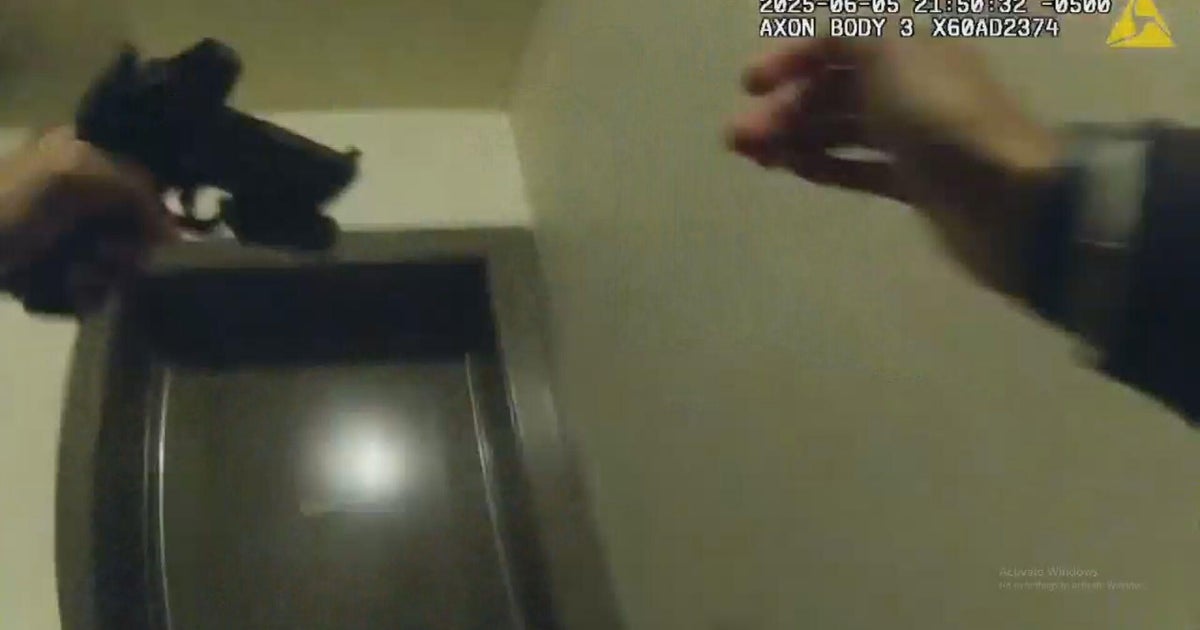
Body camera from inside her home shows Massey near a pot of boiling water before Grayson shot her multiple times in the face.
Defense attorneys said what happened to Massey was a tragedy, but not a crime. They argued Grayson feared for his life while standing in Massey's kitchen.
Grayson's lawyers said he was afraid Massey would throw the pot of boiling water at him, and that's why he shot her.
The shooting was recorded on another deputy's body camera.
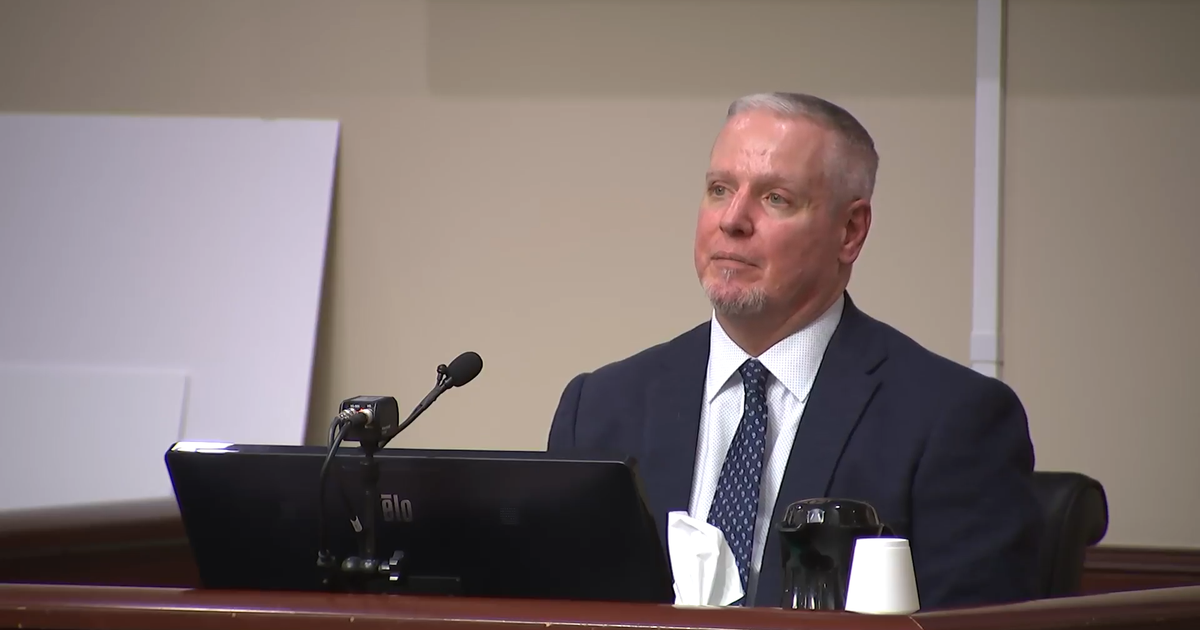
The trial's first witness was Illinois State Police Lt. Eric Weston, who supervised the investigation of the shooting.
Weston said he's been involved directly or indirectly with the investigations of 12 to 20 police shootings. He arrived at Massey's home around 3 a.m. on the day of the shooting, less than two hours after she was killed, and then two days after the shooting, reviewed body camera video footage for the first time.
"I watched the videos probably more than once," Weston said. "My initial thought was different than the assumption I made on the scene. I just didn't, at that time, make a determination that it was an appropriate use of force."
Grayson was in court before the jury was seated, wearing a black suit. He turned and smiled at his family when they entered the court. Massey's parents and about a dozen other relatives also were in court for the start of the trial.
Grayson's former partner, Dawson Farley, who was there during the shooting, also took the stand and, when asked by Sangamon County State's attorney John C. Milhiser if there was anything that indicated that he needed to pull out his firearm, he said "no."
In response to being asked if he was nervous, he said, "She never did or said anything that made me think she was a threat," Farley said.
Just three days after the shooting, Farley wrote in his initial report, "I unholstered my firearm as I was in fear of the steaming hot water." But weeks later he later he recanted his story and changed his report and wrote, "She never did anything that made me feel I needed to draw my firearm."
Farley said he wanted to do right by Massey and her family and "tell the truth."
Grayson's attorneys said, "Completely changing your story is not a clarifying statement."
As the jury watched the body camera video, some of Massey's family were emotional and walked out of the courtroom as it was played in court. Grayson looked down at the ground away from the screen as the shooting played.
The trial is expected to last two weeks, with at least 20 witnesses expected to testify. If convicted, Grayson would face between 45 years and life in prison.
As the trial gets fully underway, some of Massey's supporters are concerned about the makeup of the jury, who were selected on Monday.
"Representation matters," said supporter Tiara Standage. "This should've never happened. No family should have to walk into a courtroom and see a jury that looks nothing like the community where the crime happened. No one should have to beg for a fair cross-section of peers."
Only one person among the 12-member jury and three alternates is Black, and that juror is a man. Massey family supporters called on more Black people to become registered voters because that's one of the ways you can get selected for jury duty.
"We aren't in the room where justice is decided. That's how we end up with what we're seeing right now: a nationally recognized high-profile case where not one person on the jury looks like the victim," Standage said.
Getting a driver's license, state ID, or disability identification card are other ways to be on the list for possible jury duty.