Northwestern University professor says Trump using "terrorist's logic" with threat that "a whole civilization will die" in Iran

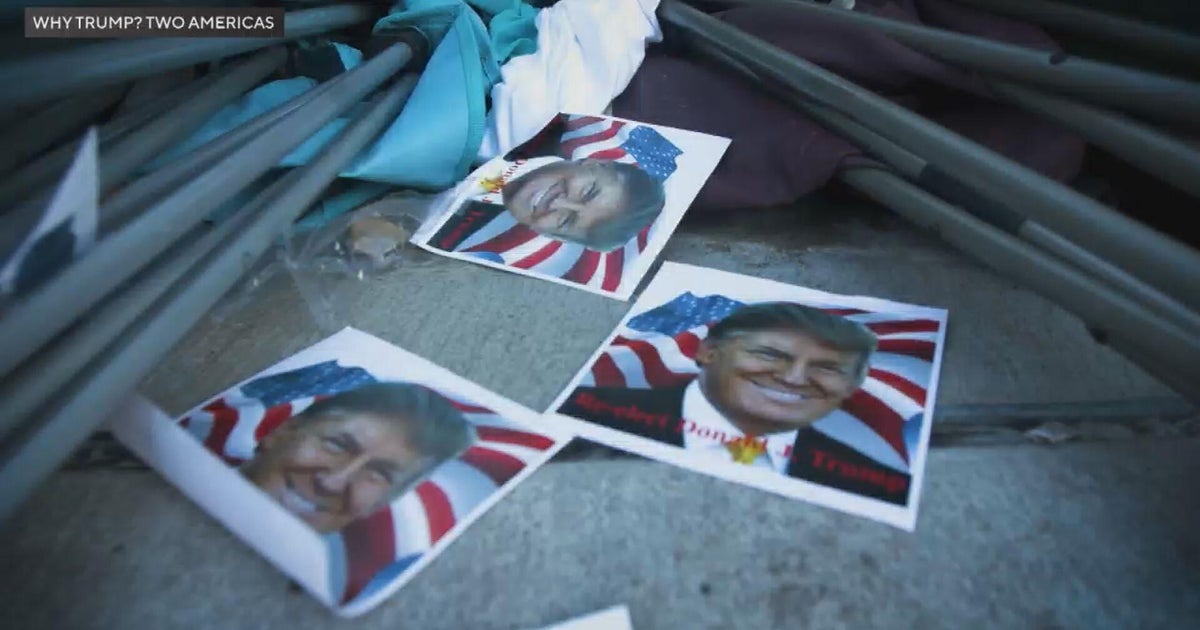
With just hours left on President Trump's deadline for the Iranian government to agree to a deal to reopen the Strait of Hormuz, a political science expert at Northwestern University said the president is using "a terrorist's logic" by threatening "a whole civilization will die" if his deadline isn't met.
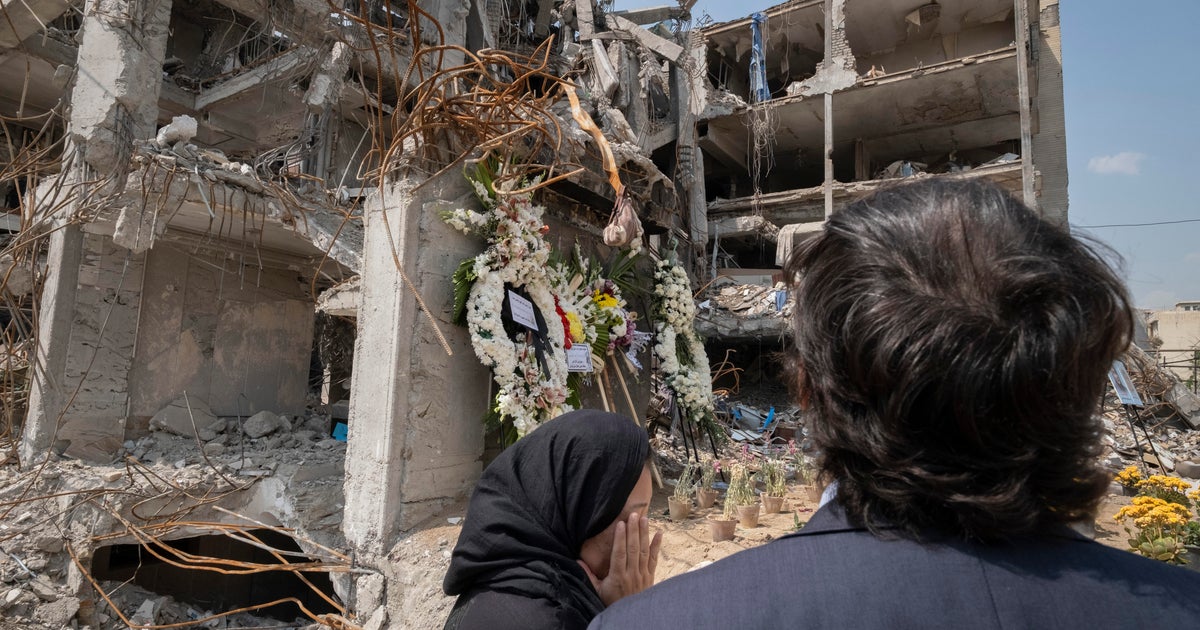
The president has warned that if Iran doesn't make a deal to reopen the strait by 8 p.m. Eastern Time on Tuesday, "a whole civilization will die tonight, never to be brought back again."
Mr. Trump's habit of breaking norms and pushing limits has gotten him elected two times, but such language has never been used by a U.S. president before; not before dropping atomic bombs in Japan during World War II, nor before invading a foreign country.
"I think it's really unprecedented, although of course the early American presidents did something similar to the Native Americans," Northwestern University political science professor Ian Hurd said. "But what's so striking about that language is it sounds a lot like how Osama Bin Laden justified the 9/11 attacks. This idea that you will kill people in cities because you don't like their government is really a terrorist's logic, it's not a leader's logic."
Hurd said the president's threat is a sign of weakness.
"I think that he can't figure out how else to maneuver, and his other threats and bluster haven't done the trick for him, so he's just trying to escalate. But the trouble is – among other things – nobody's taking him very seriously anymore because he makes so many threats, and it doesn't seem at all realistic that a massive attack on Iran is going to advance American interests at all. It seems very backwards," he said.
Whether it's a bluff or a real threat remains a mystery.
"I've never heard that before. Checking through history, I don't think that's even been said before, even in World War II before we dropped the atomic bomb," said former Illinois Republican Party chairman Pat Brady.
Brady said Trump's tightest political allies are distancing themselves from his threat.
"The resistance you're seeing to what the president's doing is coming from his really hardcore supporters," Brady said. "I saw Senator Ron Johnson from Wisconsin, who's been a real hardcore Trump supporter, kind of back away from this language this morning," Brady said.
As the president mulls his options and his words, historians noted the path President Trump didn't take.
"One way presidents have done this in the past, for instance, is to say all options are on the table, which is code for 'We have nuclear weapons. So, be careful,'" Northwestern University history professor Michael Allen said.
Allen said the president's language, deadline, and level of threat is a tell of his effort "to show some sort of strength in a moment in which he feels weak, in which oil prices are rising and he doesn't know how to reopen the Strait of Hormuz."
Hurd said it seems clear that the situation in the Middle East has gotten worse because of the president's tactics, and now he can't figure how to get out of it.
"The situation for the United States was better before Trump attacked Iran. Oil was flowing through the straits before this started," he said. "His thought appears to be to make things worse in the hopes that that will make things better. It doesn't make sense. … It's hard to see how he wins. I think that he's hoping that somebody finds an escape route for him, and then his bluster will look like it worked."
With Iran's government depending on the flow of oil to other countries, Hurd said the easiest way out of the current situation is for the U.S. to halt its attacks on Iran to allow for the strait to reopen.
Meantime, several Democrats in Congress, including many from Illinois, have called for the president to be impeached. Others have called for the unprecedented move of Mr. Trump's Cabinet invoking the 25th Amendment to remove him from office.
Historians are dubious.
"I am skeptical that this will result in some effort to remove him from office," Allen said.
A presidential gamble complete with hard deadlines and longshot odds.
"Politically, this is probably really damaging for Republicans in the long-term. This could end very badly, but the flipside is, if it works and he's right, then he's a hero," Brady said.
Meantime, the prime minister of Pakistan has urged the president to extend the Iran deadline for two weeks, and for Iran to open the Strait of Hormuz for two weeks.
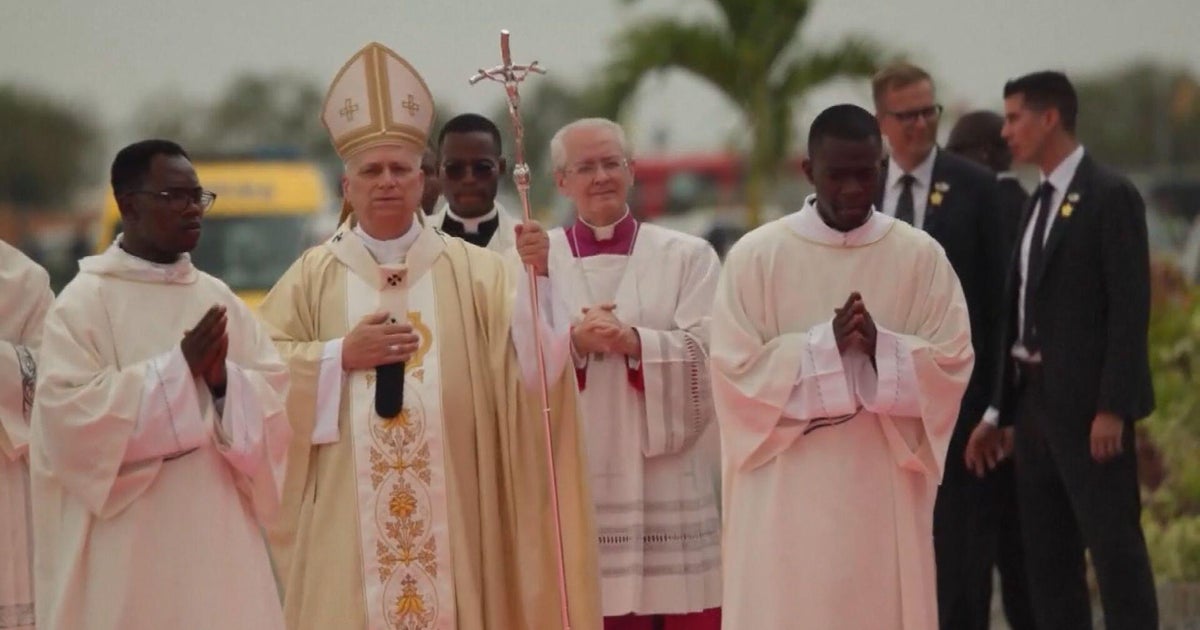
Also Tuesday, Pope Leo XIV called the president's threat to destroy Iranian civilization "truly unacceptable."