Illinois lawmakers pass Gov. Pritzker's $56 billion budget, ban on cellphone use in classrooms

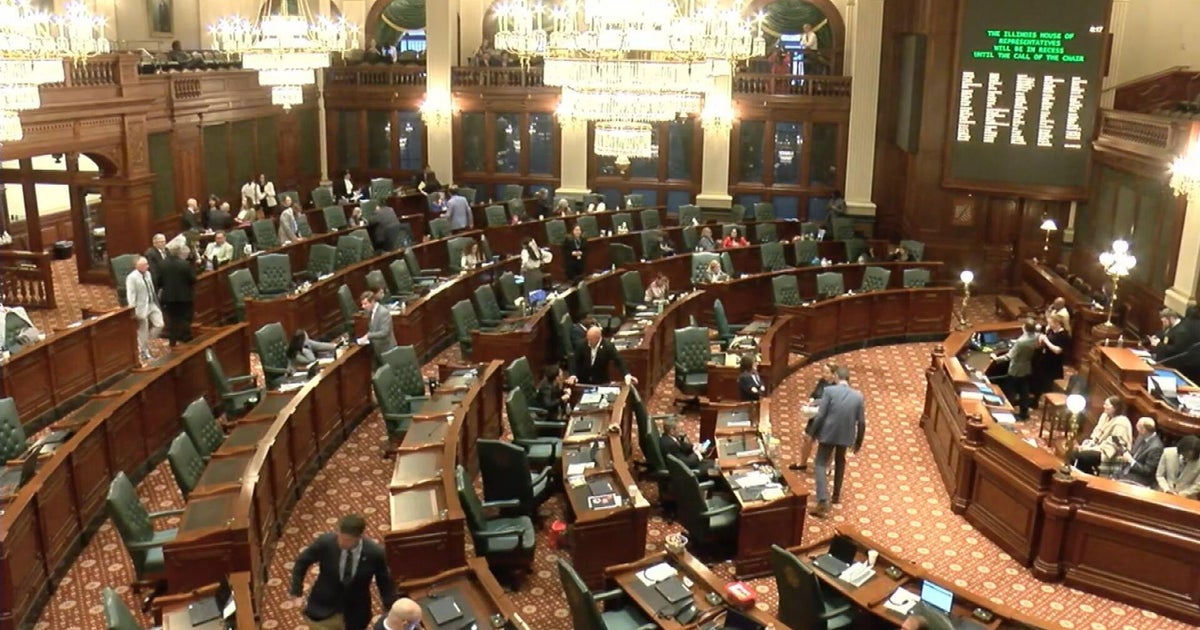
The Illinois General Assembly approved Gov. JB Pritzker's nearly $56 billion budget for the upcoming year early Monday morning.
While Democrats applauded the passage, Republicans said the budget included too many tax increases and will hurt Illinois families.
Republicans also called the spending plan irresponsible, being the largest in Illinois history.
The $55.9 billion budget does not increase state income taxes or sales tax. It does include more than $300 million new dollars for public education, and almost $100 million for families struggling to eat.
The budget includes a sales tax holiday on school supplies when families go back-to-school shopping in August, and pauses a previously planned increase to the state gas tax.
The General Assembly also approved a bill banning the use of cellphones in classrooms. The legislation says phones must be stored in a secure and accessible place during instruction time.
Pritzker pushed for the measure, citing a Pew Research Center study that found 72% of teachers identify cellphones as a major distraction in the classroom.
As soon as September, Illinois students will not be allowed to use their phones from bell to bell. There are limited exceptions, such as if cellphones are part of a student's individualized education plan.
Pritzker said he will sign the bill into law.
Lawmakers also passed a bill to shield abortion information from digital medical records. The Reproductive Health Records Privacy Act allows patients to choose whether abortions or gender dysphoria diagnoses are in their digital medical records.
The legislation could have major implications for those who travel to Illinois for care.
In a post to X, Gov. Pritzker said the bill will "ensure that patients retain full control over their health information."
One bill that lawmakers did not address before the end of the Spring Session early Monday morning concerned data centers. Advocates said the POWER Act would curb "unchecked data center development."
The POWER Act was not called to the floor. Advocates said they hoped to get the legislation passed during the Fall Veto Session.