Top 3 candidates make final push in race to succeed Nancy Pelosi in Congress
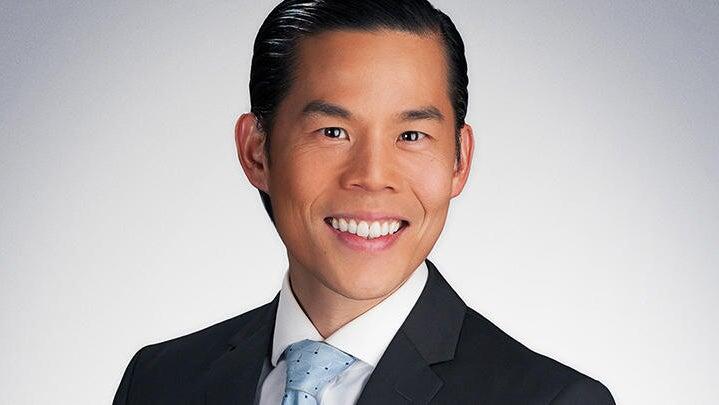
With just a day remaining before the primary election, the leading candidates seeking to succeed House Speaker Emerita Nancy Pelosi are making their final appeals to voters in what has become the first truly competitive race for California's 11th Congressional District seat in nearly four decades.
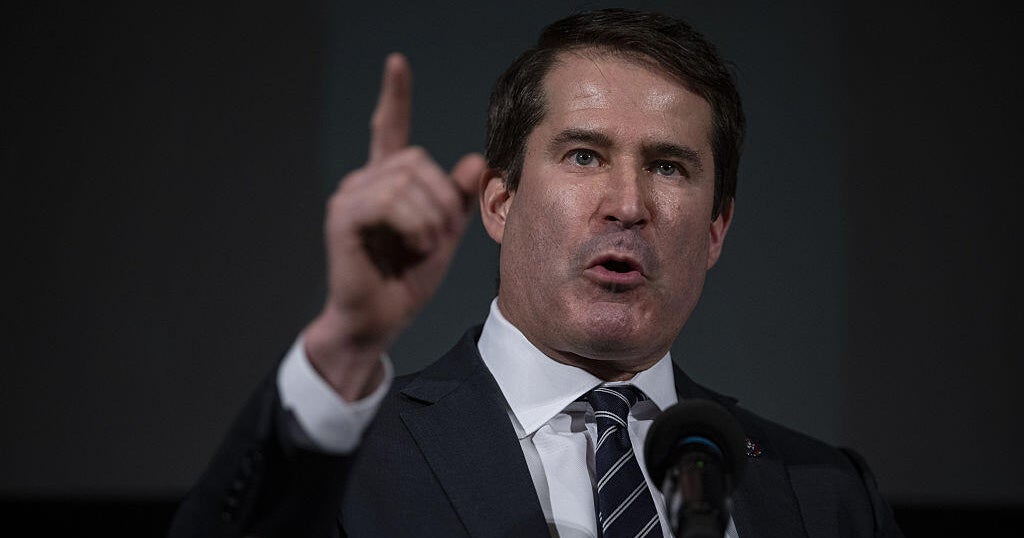
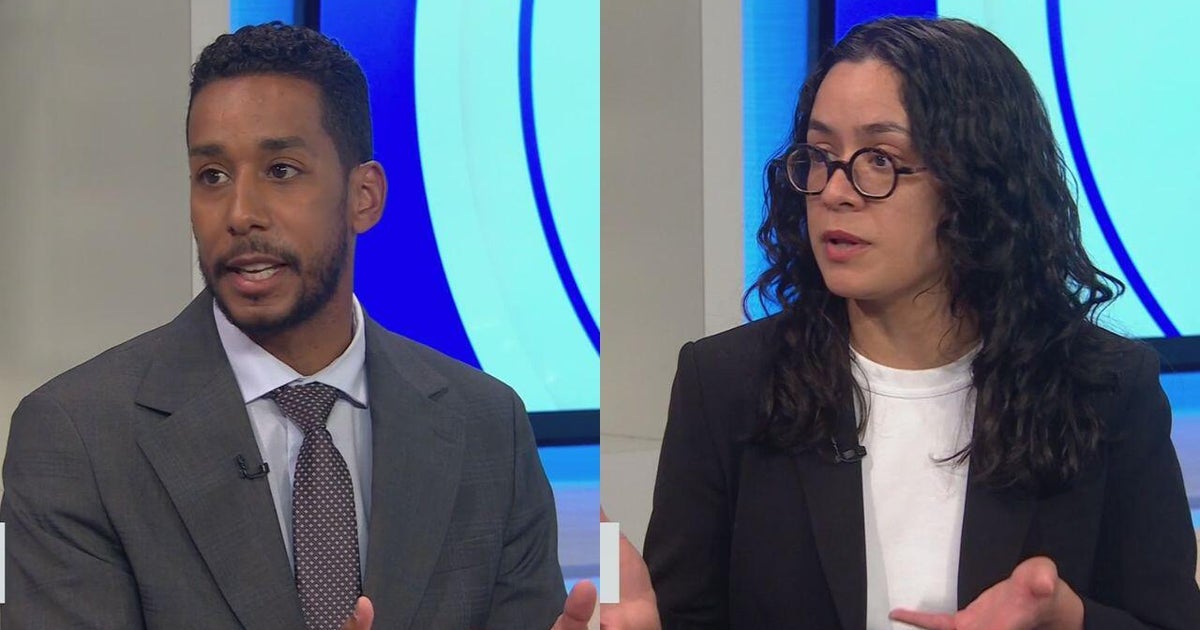
Pelosi's decision to retire at the end of her term has opened the door to a crowded field of 11 candidates. However, most polls show three candidates separating themselves from the pack: State Sen. Scott Wiener, San Francisco Supervisor Connie Chan and former technology executive Saikat Chakrabarti.
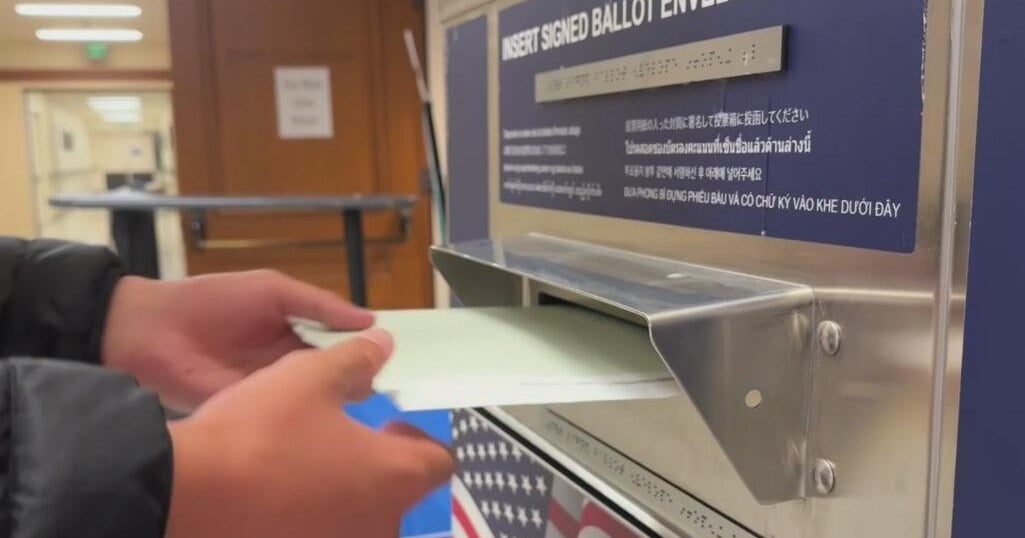
As of Saturday, San Francisco election officials reported voter turnout at approximately 17%, leaving a large number of ballots still outstanding.
The candidates spent the weekend meeting voters, building support and organizing get-out-the-vote efforts ahead of Tuesday's primary election.
Polls consistently show Wiener holding a significant lead, aided by his high name recognition after years in local and state politics. While he is often viewed nationally as a progressive, Wiener is generally considered more moderate than the two other leading candidates in the race.
"Everyone in this race talks about affordability. I'm the only one who's actually delivered on affordability," Wiener said.
Wiener pointed to his record as a former San Francisco supervisor and current state senator, arguing that he has successfully advanced policies aimed at making housing and healthcare more affordable.
"Because of my work, San Francisco went from being by far the slowest city to permit new homes to one of the fastest," he said.
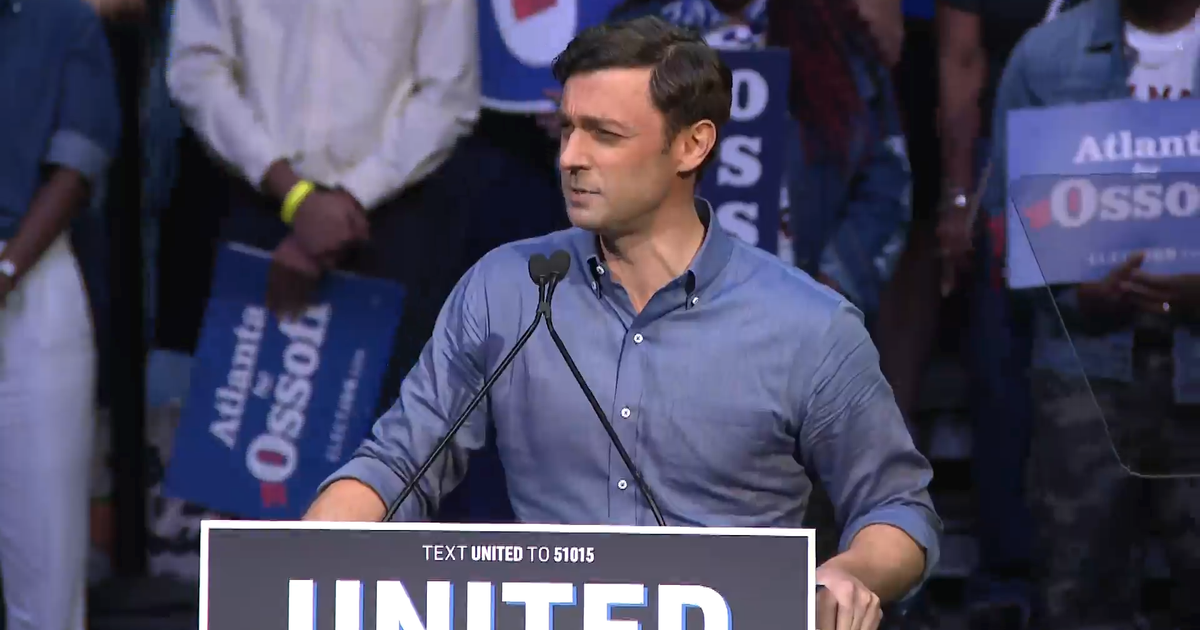
Chakrabarti, a progressive candidate who earned his wealth in the technology industry and is largely self-funding his campaign, has focused heavily on housing affordability. He said his proposals would help keep San Franciscans from being priced out of the city.
"The centerpiece of my housing plan is creating a federal financing entity that can directly provide low-cost loans to make sure affordable housing actually gets built. It can even do things like spin off public developers to build the housing if private markets won't do it," Chakrabarti said. "At the same time, we have to support our renters. So I call for doubling rental vouchers for having support at the federal level for tenants' unions to make sure people don't get displaced. And finally, we have to ban private equity and hedge funds from buying up our single-family homes and driving up the costs."
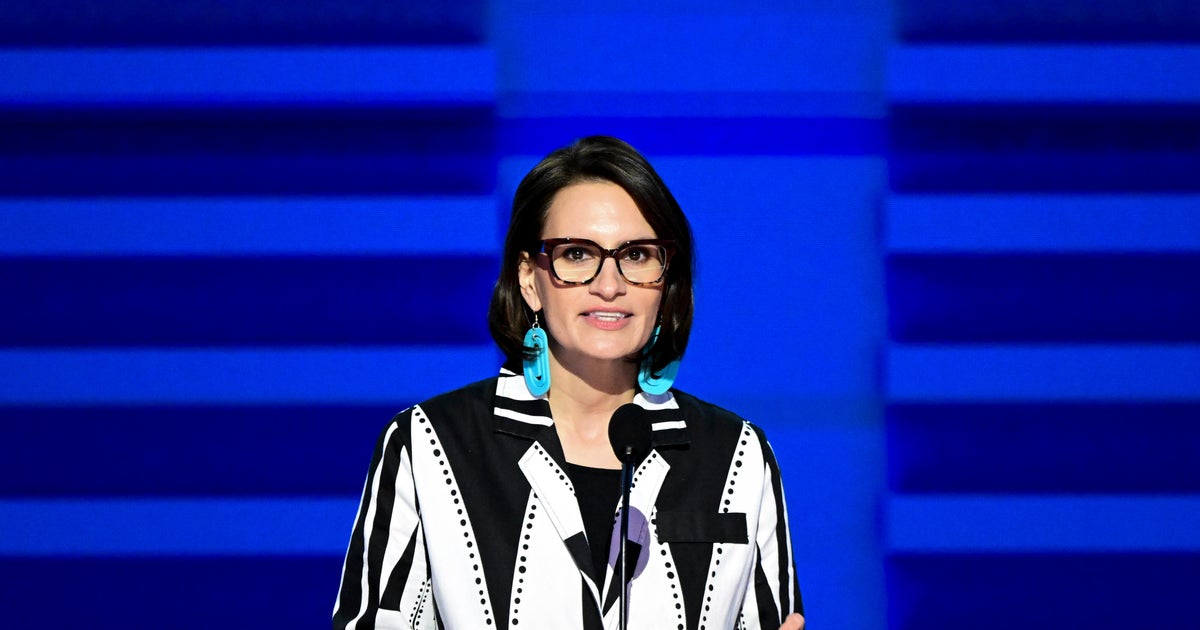
Chan, another progressive candidate, has gained momentum in recent weeks with endorsements from Pelosi and U.S. Sen. Adam Schiff.
Like her opponents, Chan identifies housing affordability as one of the district's most pressing concerns. Similar to Chakrabarti, she also supports Proposition D, known as the "Billionaires' Tax," and said she would like to see similar tax policies considered at the federal level to help fund social programs.
"Healthcare, we've got to be able to expand healthcare and coverage and lower the costs of medication," Chan said. "We also see that for many households and for many families that I talked with throughout the city, it's also education. We want to have affordable childcare. We want to have fully funded K-12 classrooms and we want to have free city colleges, not just in San Francisco, but across the nation."
Political observers said Wiener appears likely to secure the top spot. The more competitive battle may be for second place, with Chan and Chakrabarti both seeking to advance.
Under California's top-two primary system, the two candidates who receive the most votes, regardless of party affiliation, will move on to the general election in November.
With many ballots still outstanding, the final outcome remains uncertain. For now, the leading contenders are continuing to make their case to voters until the very end.