America at 250: How LGBTQ+ activism helped shape the evolution of Chicago
The history of LGBTQ+ activists and organizers is deeply connected to the evolution of Chicago.
Long before rainbow crosswalks, pride parades, and openly LGBTQ+ elected leaders, the faces of the community lived in the shadows.
"Most LGBTQ people lived in what was described as the closet, or they wore a mask," said LGBTQ historian John D'Emilio.
When faced with discrimination, police raids, and the threat of losing their livelihoods, many in the LGBTQ+ community began to stand up and fight back.
"Police, especially vice squads, did not like gay people," said Art Johnston, co-owner of legendary gay bar Sidetrack. "If I could tell you every time I had a cop call me a f***ing fag, and that's the way it was those days."
D'Emilio said efforts to fight back against discrimination started in the 50s and 60s with small organizations.
"They published newsletters. They circulated information within the community," he said.
The Stonewall Uprising in New York in 1969 helped spark a new era of LGBTQ+ visibility and activism across the country. As the movement grew, so did the need for spaces where LGBTQ+ people could gather openly and safely.
"Gay bars were the only place gay people could meet and hang out," Johnston said.
In Chicago, places like Sidetrack became a Mecca for community safety and visibility. For Johnston, Sidetrack became a symbol of the community many had spent decades searching for.
"It's given us an opportunity to do things for the community that we're a part of," he said.
Bars, neighborhoods, and community spaces became more than places to socialize, but also places where activism, organizing, and support often intersected.
As the AIDS crisis devastated the LGBTQ+ community, it forced many to be more active than ever before.
"Suddenly, coming out isn't just about sexual freedom. It's about life and death," D'Emilio said.
As more LGBTQ+ Americans were stepping out of the shadows, others like Victor Salvo were working to ensure their stories would never be forgotten.
"If you want to marginalize a community, the first thing you do is take away its past," Salvo said.
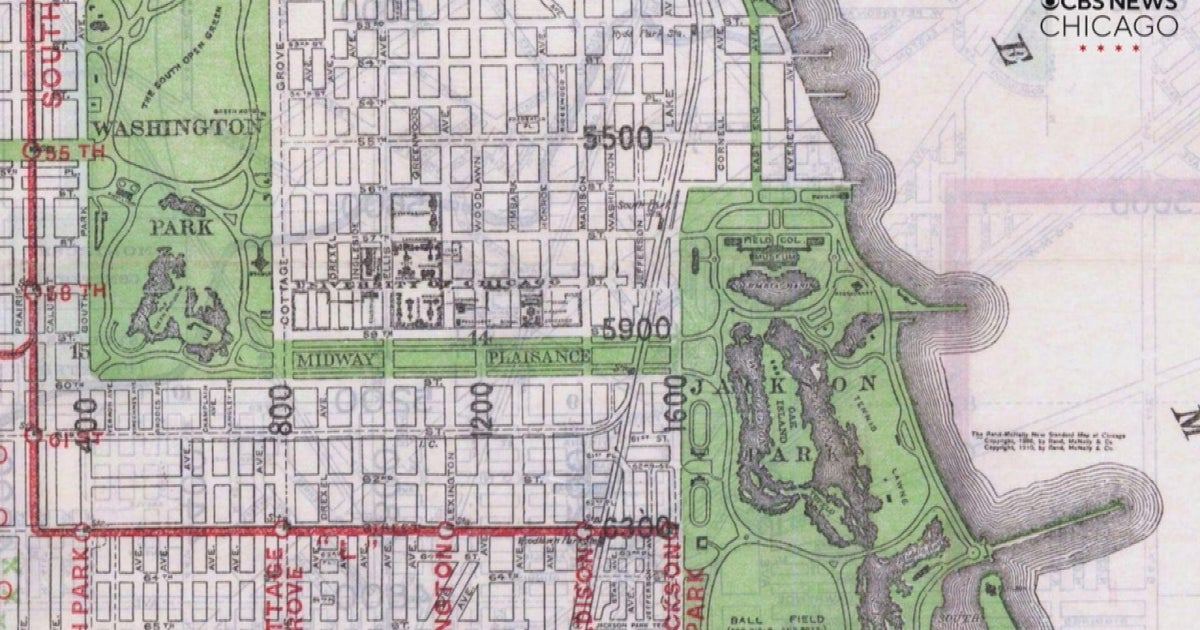
That history is preserved through the Legacy Walk, a public installation in Northalsted honoring the people and the moments that helped shape the LGBTQ+ community.
"The number one reaction is always, 'Why weren't we told?' That's always the question," Salvo said.
Over time, that visibility helped reshape Chicago itself.
"This city was not friendly to gay people, and it's changed radically," Johnston said.
In 1988, Chicago passed one of the country's first LGBTQ+ nondiscrimination ordinances, a major shift in a city where many once lived in the shadows.
"The number of people in our community who could work on gay issues quintupled, like almost instantly. And we had gay attorneys, and we had gay doctors, and we had gay professionals, and that changed everything," Johnston said.
From Northalsted to City Hall to a new generation of LGBTQ+ Americans now growing up seeing themselves represented in ways many before them never could.
"People like us have mattered and have always mattered, even though no one ever bothered to tell us," Salvo said.
But as America approaches 250 years, many say that story is still evolving.
"It's a sign of Chicago and where Chicago is that this major city in the U.S. had a Black lesbian mayor who was open about who she was. Unimaginable 30 years ago," D'Emilio said.
They were always part of the American story. Now their story is finally being seen in the light.
"Even a dreamer like me could never have imagined how far we have come," Johnston said.
Now many who helped build this movement say the next generation must continue fighting to be seen to be heard, and never take for granted how quickly history can repeat itself.