It's been a bad summer for tick bites in the Northeast. Here's why and what you should look for.

This has been one of the worst tick seasons in quite awhile. According to the Centers for Disease Control and Prevention (CDC), emergency room visits for tick bites in the Northeast are at their highest levels in at least five years.
Last month, the CDC recorded 229 tick bites per every 100,000 visits to ERs around the Northeast. In June 2024, the CDC recorded 167 bites per 100,000 visits.
More ticks survived
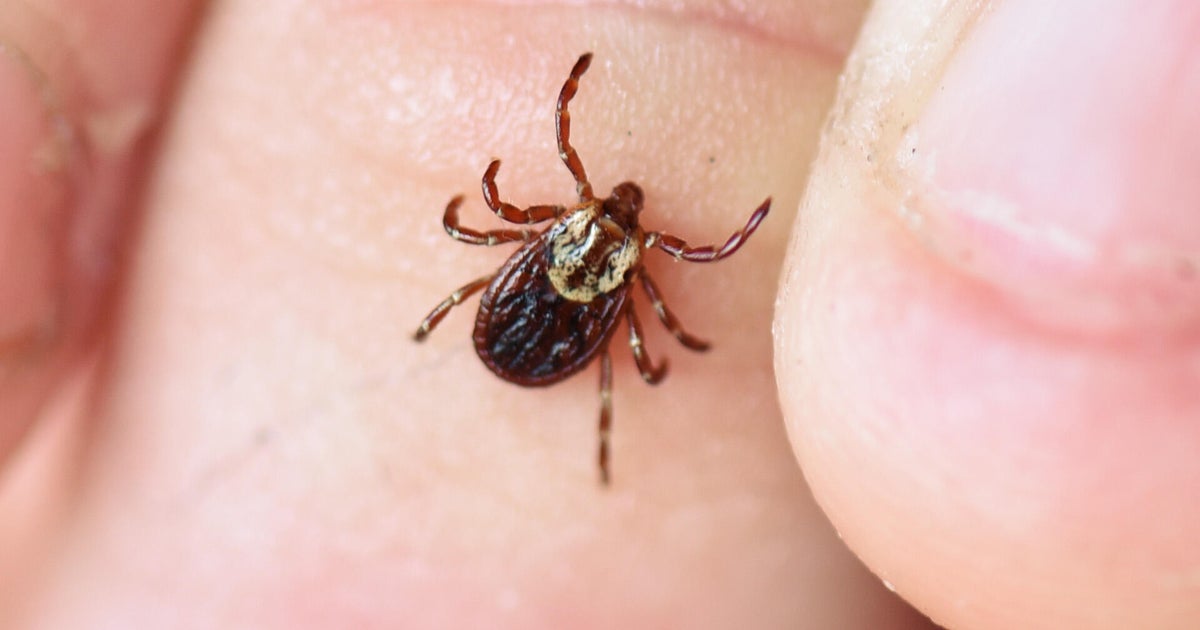
The type of tick that typically carries disease in New England is the deer tick, also known as the black legged tick, which can be as small as a poppy seed.
Dr. Thomas Mather, the Director of the University of Rhode Island's Center for Vector-Borne Diseases, said hot and dry days can kill deer ticks but with few of those this spring, more ticks have survived to bite people and increase disease prevalence.
"We had good conditions in May and June for tick survival, black legged tick survival, and that has caused the number to be higher," Mather said.
Jenn Daignault, a mother from Quincy, Massachusetts, now carries a tick removal kit with tweezers and Band-Aids after a scare with her two-year-old son Jamie.
"He got a rash, and we had to go in and get checked for Lyme disease but luckily he didn't have it. The rash went away. But it has been a frustrating season," Daignault said.
Look for rashes
Dr. Todd Ellerin, an infectious disease specialist at South Shore Health, said he's seen an increase in tick bites and tick-borne illnesses. He asks patients to be on the lookout for large rashes that can occur with Lyme disease, even if there is no tell-tale bulls eye.
"If it's a deer tick and if it's been attached for at least 36 hours, then you want to call your provider because we can give a single dose of Doxycycline, 200 mg, and that significantly decreases the risk of developing Lyme disease," Ellerin said.
The good news
Dr. Mather said there's some good news. As hot, dry days are expected to increase throughout the summer, more deer ticks will die. He believes Massachusetts is already past the peak of tick season.