Pricey berries in Massachusetts could be early indicator of war-related grocery price spike

The price of raspberries has skyrocketed in recent weeks and could be an early indicator of higher grocery prices due to the ongoing war with Iran.
USDA reports show wholesale prices of raspberries in Boston have gone up about 40% since January.
The berries are high maintenance: they require constant refrigeration, even in travel, and are highly perishable. "There's a lot of oil that needs to be used to transport those things far distances," explained Questrom School of Business Professor Jay Zagorsky. "Things are coming on boats, they're coming on trucks, they're coming on planes. But all three of those transport methods, they use oil of some type of another."
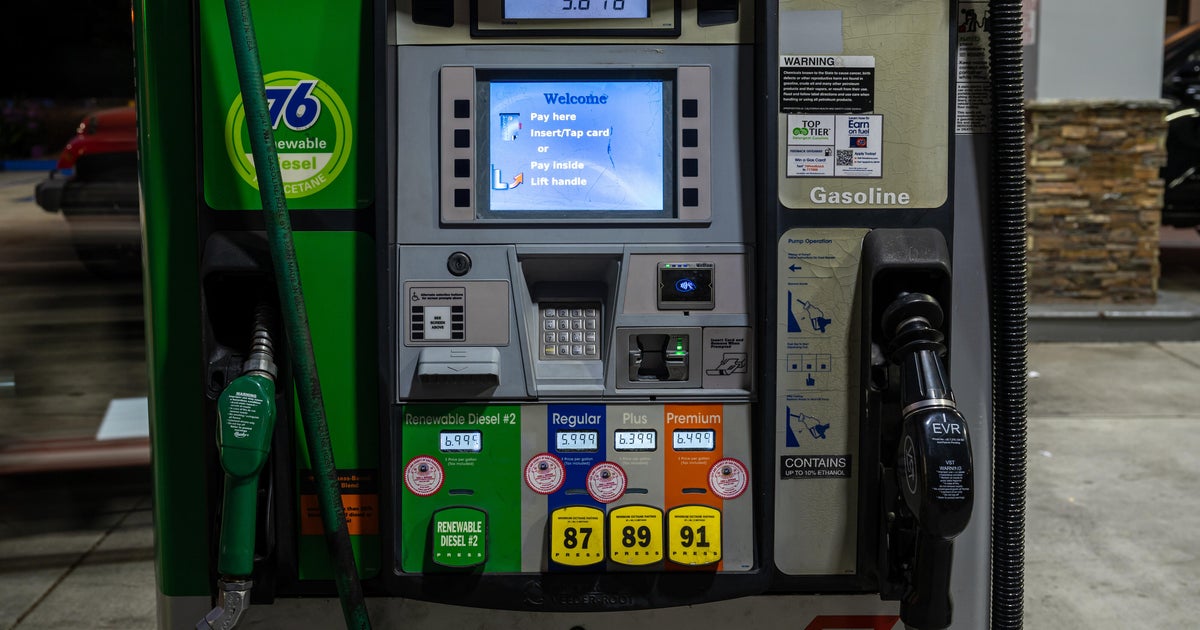
With the war in Iran spanning more than four weeks, the rising oil prices are now starting to impact groceries.
"Very perishable items, like the blackberries and blueberries, they're going to go out much faster than some of the more shelf-stable items like crackers," Zagorsky explained. "So what you typically see is you're going to see the fresh fruits and vegetables where the pain is going to be felt first and then more of the interior of the supermarket you're going to see the pain less. That doesn't mean the pain is not coming."
Grocers have had to make decisions weekly about just how much to raise prices. "My father told me 50 years ago that oil changes everything," explained Bill Lambert, who owns Lambert's Rainbow Market in Dorchester and Dedham. "If the price of oil is cheap, everything's cheap. If the price of oil is high, everything's high."
"Anything from coming from California coming from Florida, especially some things coming from Chile like the grapes if it's coming by boat or by plane… It just adds the cost to everything," Lambert said.
In the meat department, owner Neal Asnes has noticed customers already changing their habits. "They can't cut down on their mortgage, they can't cut down on their electricity, the only thing they can really cut down on is food," he said. "They might buy a pack of chicken legs for $.99 a pound instead of buying a steak."
Asnes explained that the store has decided to eat some of the rising costs for now, to lower its profit margins in favor of keeping prices reasonable. But if the war continues much longer, that will have to change. "You want to not do anything about it for a few weeks or a month, but then you have no choice. You've gotta pay all these [employees]," Asnes said. "They've got to eat."