Lindsay Clancy trial jury has "really difficult task" with "incredibly complicated" case, expert says

The jury in Lindsay Clancy's murder trial resumed their deliberations Monday in Plymouth Superior Court in Massachusetts.
They've discussed the case for more than 13 hours now, trying to decide if she's criminally responsible for killing her three young children in their Duxbury home on Jan. 24, 2023 or if she was too mentally ill to understand what she was doing.
"The jurors are going to have a really difficult task and they're in the midst of it," Laura Niemi, a psychologist and jury consultant, told CBS News Boston. "It's especially difficult because she reminds people of the perfect mother before the incident and so there's just a really stark contrast between that and the killings."
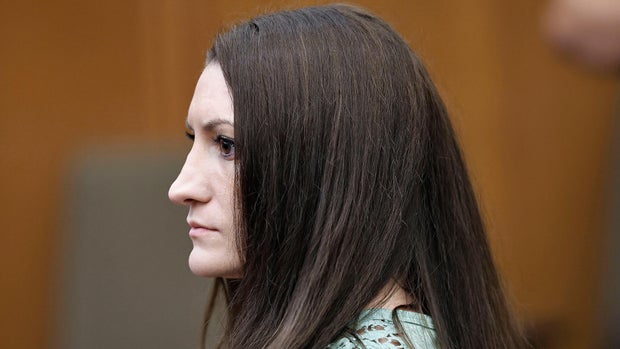
Niemi expects deliberations to take a while.
"I think it's incredibly complicated. I wouldn't infer anything about the timing. I wouldn't say that a long deliberation indicates that they're deadlocked. They have just an incredible amount of information to go through. It's emotionally difficult. It's really unlike a lot of cases that people ever encounter," she said.
"It's more than understanding like the medical evidence. It's more than kind of making sense of the conflicting diagnoses. Jurors have to make a coherent story out of all of this. I think that's the hardest thing that jurors are going to have to do."
Nine women and three men will decide Clancy's fate. Niemi believes each juror's personal experience will matter more than their gender.
"There's sort of this feeling at first that you might want to say 'Well, women might think this and men might think this.' But we often see gender isn't a very reliable predictor of jury decision-making. The case facts matter. But also, jurors' personal experiences matter a lot. So, their personal experiences with parenting, with motherhood, with mental illness will matter."
Both the prosecution and Clancy's defense attorney agree she was mentally ill. They disagree about what kind of mental illness she was suffering from.
"They're going to be looking at that contrast that has been brought up over and over in this case about purposeful planned behavior versus a psychotic break from reality and command hallucinations," Niemi said of the jury.
"I think that some jurors might appreciate that there can be purposeful planned behavior while still having a break from reality or distorted, fixed, false beliefs. Whereas that might be difficult for other jurors to believe or understand or get behind."
If Clancy is convicted of first-degree murder, second-degree murder, or manslaughter, she will go to prison.
If the jury finds she is not criminally responsible, Clancy will be required to continue her stay at Tewksbury State Hospital, where her case will be reviewed periodically.


