How a floating wetland serves an important role in the Charles River ecosystem
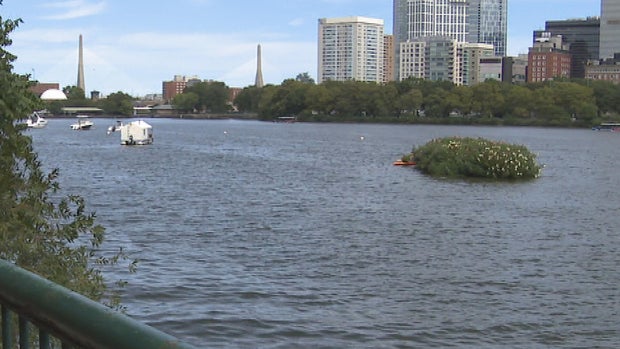
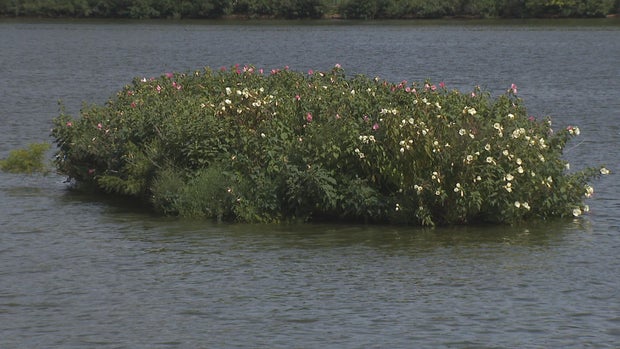
On the Charles River near the Longfellow Bridge, something unusual is floating. At first glance it looks like a small island, but this patch of green is actually a science experiment with big ambitions.
The Charles River Conservancy installed the floating wetland in 2020. It measures about 700 square feet and is planted with 3,000 native species. The goal is to restore some of the biodiversity that disappeared when the river's natural marshlands were replaced by seawalls and development.
"It used to be a marsh," said Laura Jasinski, Executive Director of the Charles River Conservancy. "Artificial wetlands bring back some of that function and biodiversity that has been lost."
Impact of artificial wetland
While the plants look like a garden above the water, the real action happens below. Long roots create shelter for fish and insects and provide a home for zooplankton. These microscopic organisms feed on algae, which can help keep toxic cyanobacteria blooms under control. Those blooms, which thrive in summer heat, have forced closures of ponds and beaches across Massachusetts.
The floating wetland is also part of a bigger story. Climate change is bringing stronger rainstorms to New England, overwhelming aging sewer systems and sending more pollution into the river. The Conservancy sees the project as one piece of a broader, nature-based approach to keeping the Charles healthy.
"This project shows how you can build nature-based solutions into our cities," Jasinski said. "Baltimore, Chicago, New York... they are all looking at wetlands like this."
Project could expand
In 2025 the project won a Boston Society of Landscape Architects Award, recognized for its impact, relevance, and potential to be copied in other cities.
The Conservancy's long-term vision is to expand the wetlands from a single platform into much larger installations, possibly transforming the Broad Canal into a park, a boardwalk, and even a kayak trail.
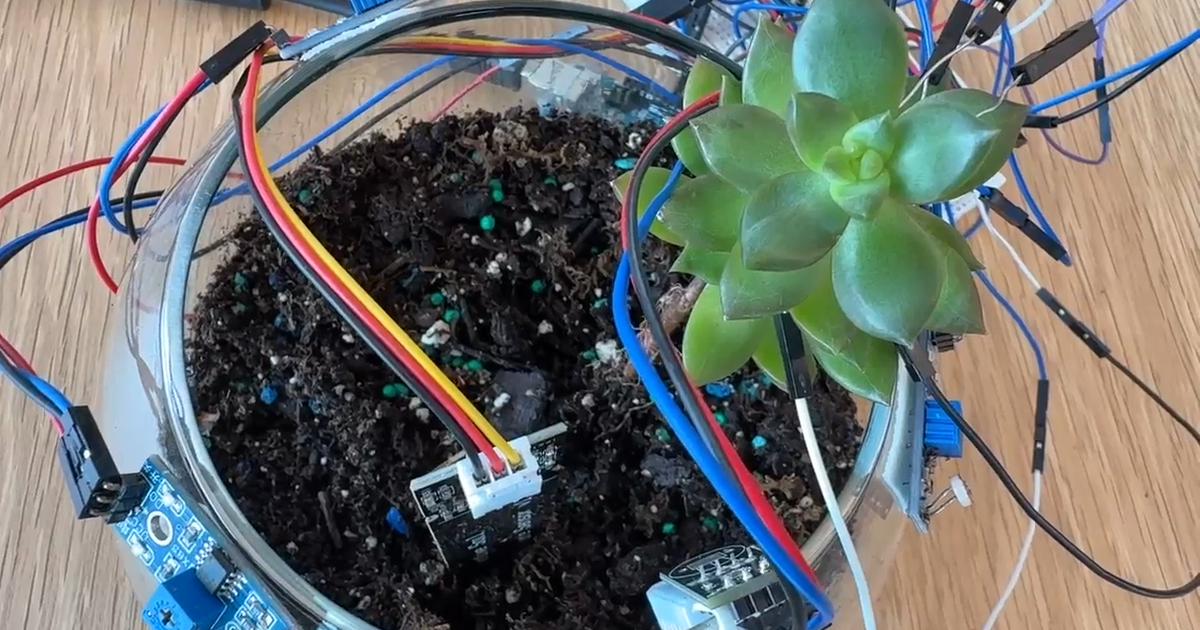
The project is also a teaching tool. Sixth Grade Students in Cambridge and Boston build miniature wetlands through STEM kits in their classrooms, then visit the river to see the full-scale version.
Jasinski added, "It shows them they can be part of the solution."
For those who paddle up to the floating wetland, the experience is eye opening.
What began as a small pilot project is now a model for how cities can fight climate change, improve water quality, and reconnect people with their rivers.
For more information on the Charles River Conservancy, visit thecharles.org.