Northeastern Researcher Helps CDC Predict Coronavirus Spread With Mapping Technology
The CDC's dire warning about the spread of the coronavirus is partly based on a Northeastern University researcher's work in Boston.
Watch CBS News
The CDC's dire warning about the spread of the coronavirus is partly based on a Northeastern University researcher's work in Boston.

With no approved vaccine or medication to treat it, what can you do to prevent coronavirus?

The CDC announcement about a likely coronavirus pandemic was certainly sobering, but it may have also inadvertently scared people.
So far there has been one confirmed case of the coronavirus in the state.

A new study has linked a later bedtime with an increased risk of obesity for kids.

Scientists at Massachusetts Institute of Technology trained a computer to screen thousands of chemical compounds for their ability to kill bacteria with the low likelihood of hurting human cells.
Regular physical activity promotes good physical and mental health, but only about a quarter of American kids get the recommended amount.

Regulators approved a new type of cholesterol-lowering drug aimed at millions of people who can't tolerate statins.
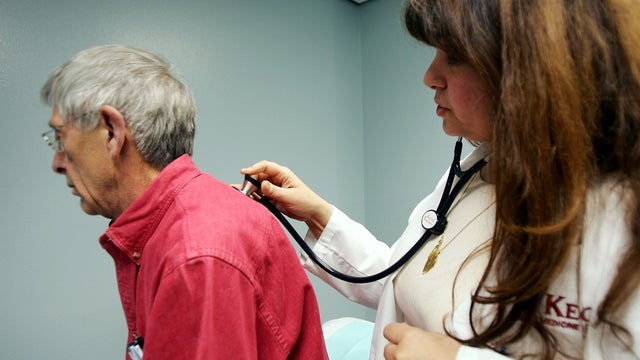
Preliminary estimates from the CDC show this year's flu vaccine has reduced doctor visits for flu by about half.
Researchers at BU looked at data on more than 14,000 women who were trying to get pregnant from the US, Canada and Denmark.
Taking some common antibiotics during the first trimester of pregnancy was linked with higher risk of birth defects, according to a new study.
Fears over the coronavirus outbreak caused a shakeup at PAX East, a large gaming convention in Boston.

With a four percent absence rate among students and staff, Haverhill Public Schools are combating flu season with their weapon of choice - a germ blaster.

According to a new study, if teens are allowed to sleep in later on school days, they may get into fewer car accidents.
New research suggests cleaning products could actually increase a child's risk of asthma.