
When and where you can see April's Pink Moon
April's full moon, known as the Pink Moon, will reach peak illumination on Tuesday, but it will appear full from Monday morning through Thursday morning.
Watch CBS News
April's full moon, known as the Pink Moon, will reach peak illumination on Tuesday, but it will appear full from Monday morning through Thursday morning.
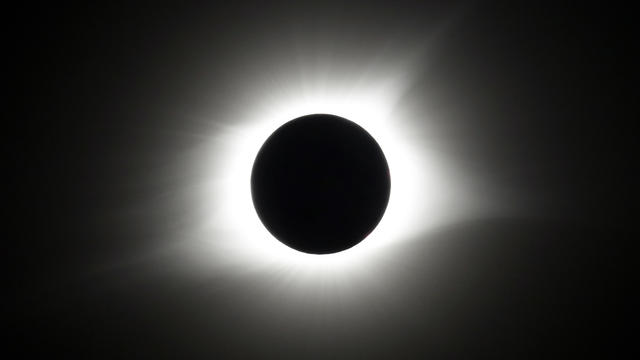
Astrology dates back centuries and astrologers who study the stars say that if you feel a little different during an eclipse, there's a reason.

The total solar eclipse will be visible along a 2,500-mile path. Meteorologists are closely monitoring the latest models, but historical data suggests those hoping to view the corona and see a fully darkened midday sky may find themselves dodging clouds due to April weather patterns.
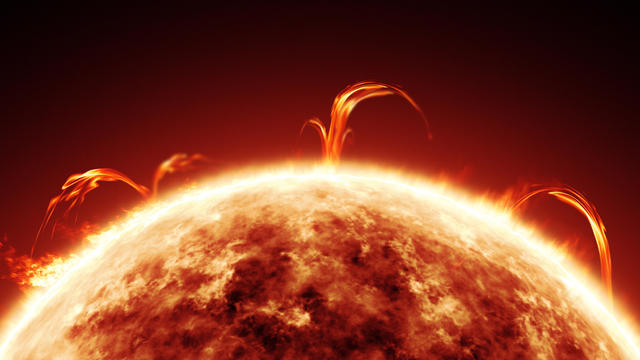
NOAA said people as far south as Alabama may have seen the northern lights and that the sun could expel the strongest type of solar flares over the next few days.
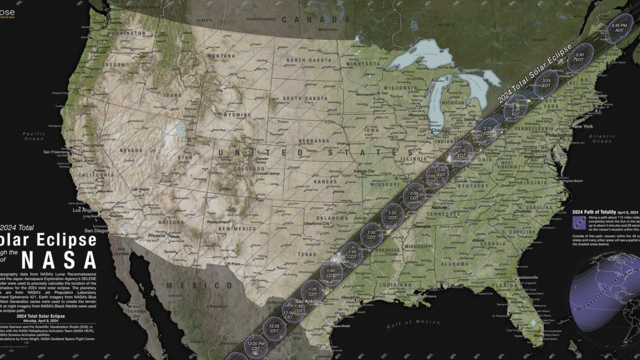
The solar eclipse will impact solar production in Texas between 12:10 p.m. and 3:10 p.m. CDT. But the power grids are expected to be reliable.
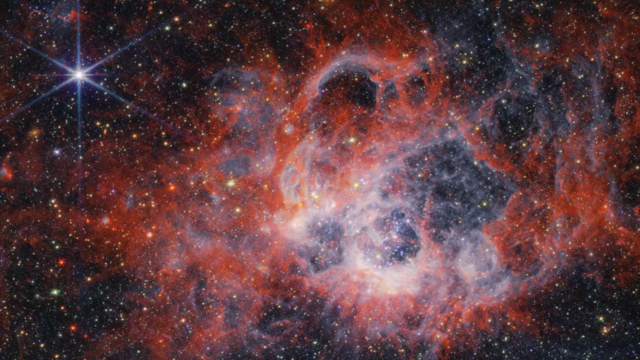
Two new images from the James Webb Space Telescope offer an unprecedented view of a stellar nursery in the Triangulum galaxy, about 2.73 million light-years away.
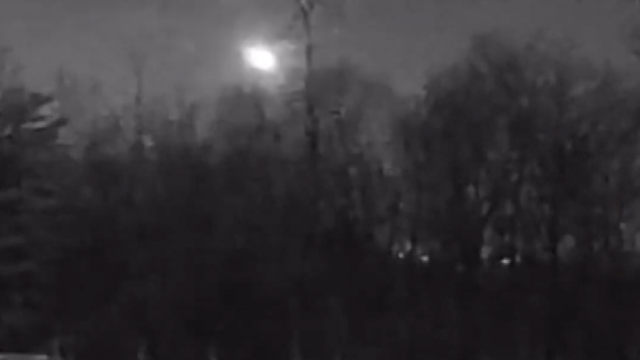
People across the eastern U.S. and in parts of Canada saw a dazzling light show on Wednesday night, as a fireball entered the atmosphere and burned up.
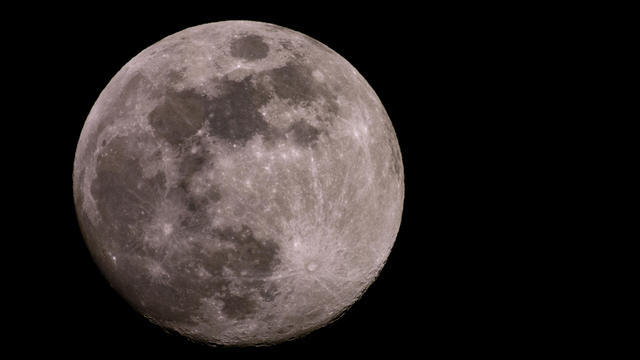
December's full moon, also known as the Cold Moon and Long Night Moon, will reach peak illumination on Tuesday at 7:33 p.m. ET.
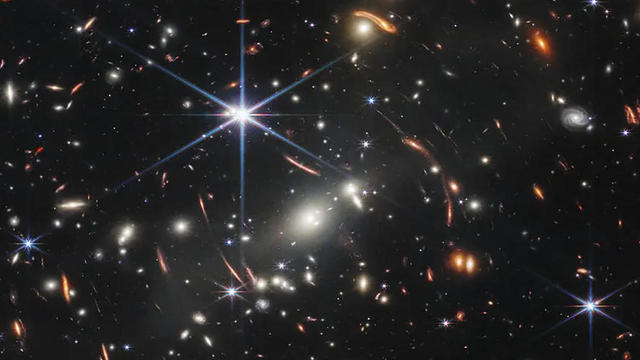
In the two years since the telescope was blasted into orbit, it has performed like a champ, capturing phenomenal images of the heavens and collecting data about distant planets – and scientists say it will continue for decades.

The Perseverance rover was near Mars' Jezero Crater when it spotted the towering dust devil.

A fireball streaked across the sky Sunday night, speeding across several U.S. states, including Maryland and Pennsylvania.
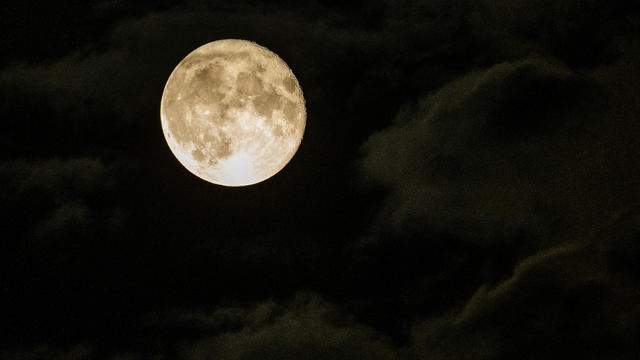
On Aug. 30, you will be able to see the month's second full moon, also known as a blue moon. It will appear bigger and brighter than usual, making it a supermoon, too.

The Buck Supermoon will appear brighter than the average full moon.
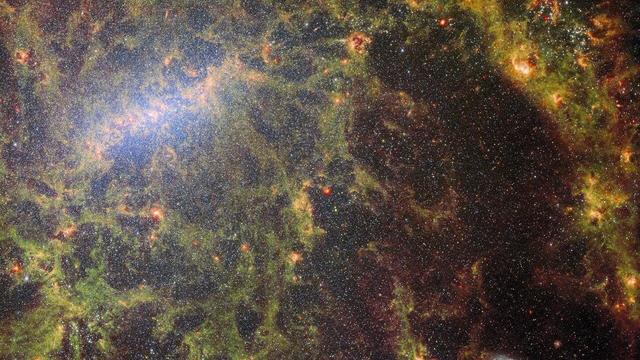
One of the new images, part of an "astronomical treasure trove" reveal asteroid tails shooting across the far-off galaxy.
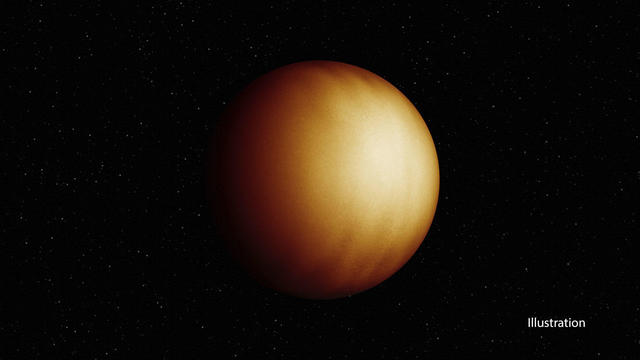
Scientists first made a brightness map of the exoplanet, then a temperature map of the atmosphere.