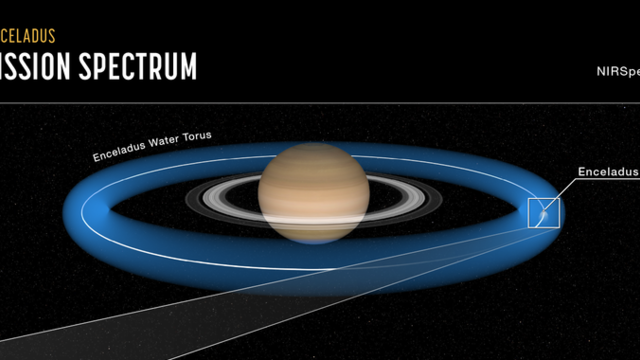
Webb telescope detects 6,000-mile plume blasting from Saturn's moon
Scientists say the plume may feed Saturn's water system at large, and studying it could provide key insights into potential life beyond Earth.
Watch CBS News
Scientists say the plume may feed Saturn's water system at large, and studying it could provide key insights into potential life beyond Earth.

The Starship rocket is the largest and most powerful rocket ever built.
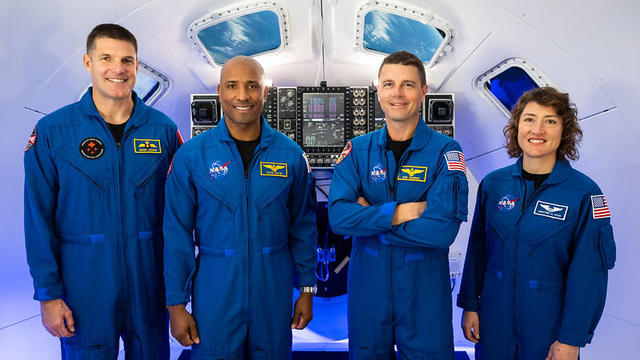
The Artemis II mission is intended to pave the way toward the next moon landing and eventually fly to Mars.
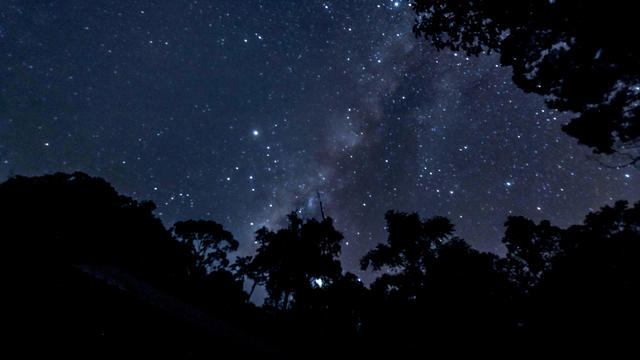
Jupiter, Mercury, Venus, Uranus and Mars will align on Tuesday night.
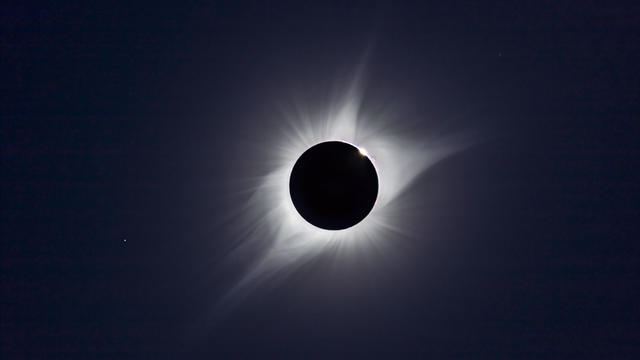
The total solar eclipse on April 8, 2024, will be the last one to be visible from the contiguous U.S. until 2044.
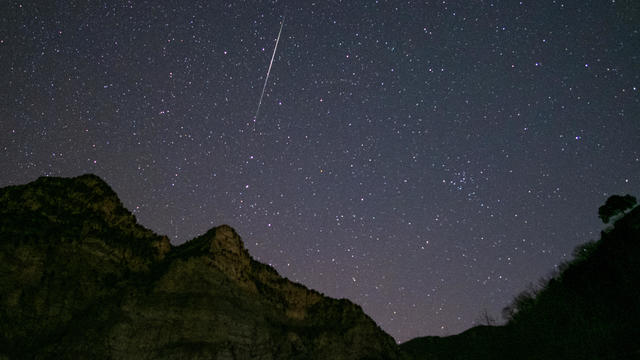
Watch the cosmos come to life as Geminids meteors speed through space at 78,000 miles per hour – more than 40 times faster than a speeding bullet.
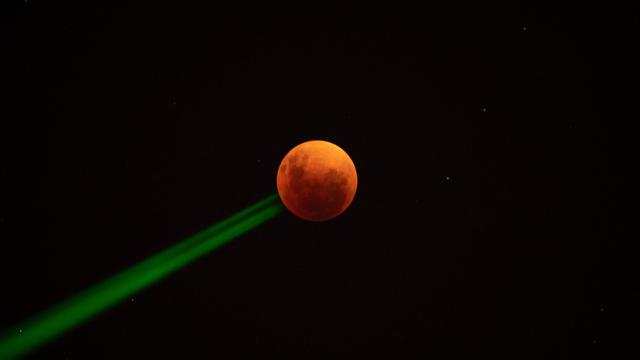
NASA said the eclipse will provide a little "celestial magic" during the so-called Beaver Moon.
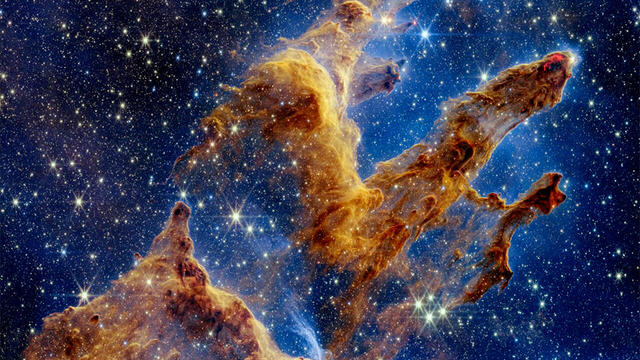
The $10 billion James Webb Space Telescope takes one of Hubble's most famous images to new heights.
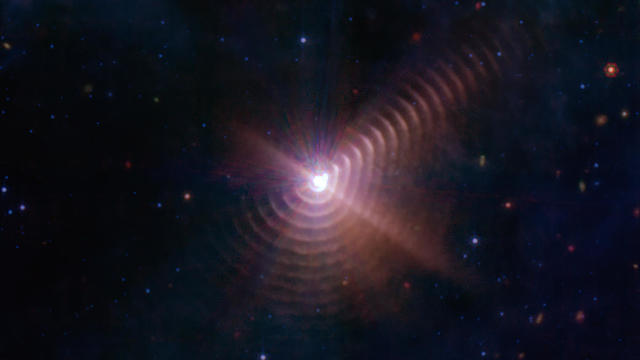
The two intertwined stars, located 5,000 light years from Earth, create what looks like a "fingerprint" in space.

NASA scientists are gearing up for the world's first mission testing planetary defense — and they want you to watch.
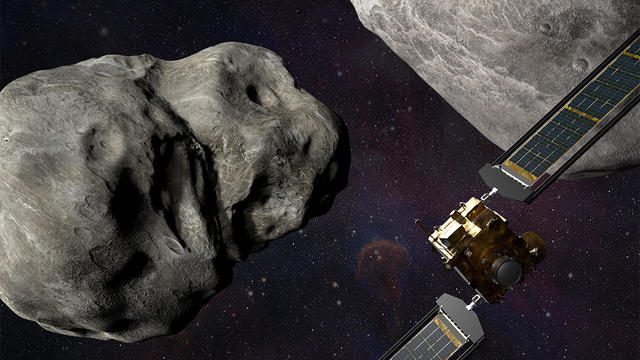
The DART spacecraft is set to purposely crash into an asteroid — a test for a potential real threat far in the future.
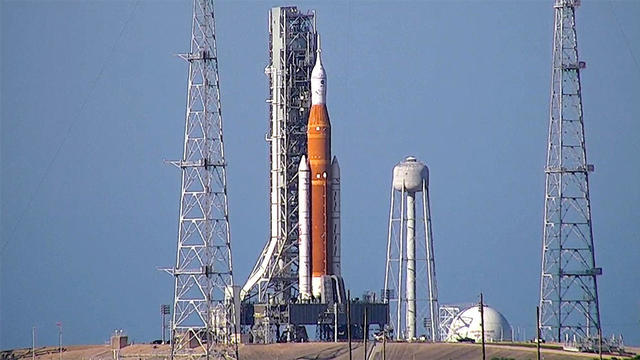
NASA managers will conduct a final review Thursday before giving engineers clearance to proceed with launch.
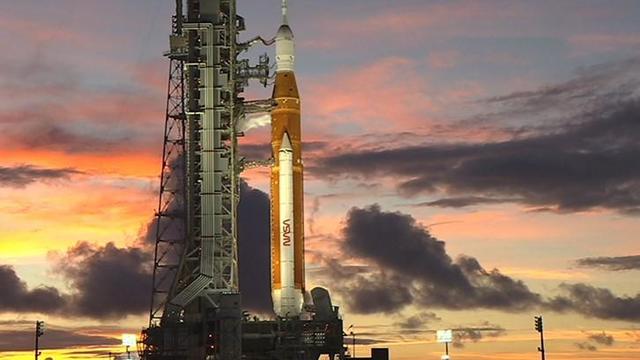
Trouble cooling one of the giant rocket's engines and a balky valve needed for troubleshooting triggered a launch scrub.
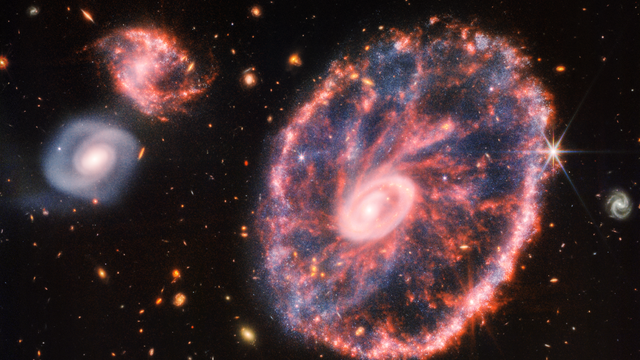
The Cartwheel Galaxy, named for its resemblance to a wagon wheel, is located about 500 million light-years away.

Fireballs, or larger explosions of light and color, may be seen during the Perseid meteor shower.