What's next for Keisha Lance-Bottoms agenda after her historic gubernatorial victory in Georgia

Georgia Democrats are celebrating after winning the state's highest offices, including governor, lieutenant governor, attorney general and secretary of state.
Democrats also appear close to taking control of the state House of Representatives, but Republicans will still maintain control of the state Senate.
That may present some challenges for Governor-Elect Keisha Lance Bottoms' agenda, including expanding access to Medicaid.
At Mosaic Health Clinic in Clarkston, Executive Director Jeremy Cole said many of their new patients are people who had insurance a year ago and now don't.
"A lot of folks have lost Medicaid, but they've also just they used to have like Affordable Care Act plans and and the premiums went up so much for them this year they made the difficult decision to say 'I gotta to go without,'" Cole said.
Cole said he's encouraged that more people are paying attention to healthcare.
"There are a range of issues, of course, that people are voting on," Cole said. "But I think health care is one of the big ones. So many people, businesses, small businesses, individuals cannot afford health care."
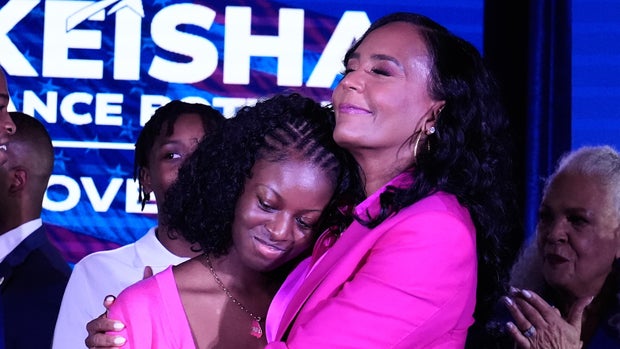
After Georgia voters gave Democrats statewide victories, Emory University political scientist Andra Gillespie said Bottoms will need to make sure she has strong connections to advance her agenda.
"She's going to have to develop strong relationships with people with some of whom she's never worked with before," Gillespie said. "So, you know, but I think that would be true for any governor. And I would say the same thing if Rick Jackson had gotten elected."
Gillespie said that, with so many Democrats holding statewide offices, it can be a double-edged sword.
"It might be easier to coordinate across offices because people are supposed to be aligned politically," Gillespie said.
Gillespie said it does raise the stakes in some ways.
"When you have a high level of partisan control, there might be an expectation, a higher expectation amongst voters that you can get things done and get things done quickly," Gillespie said. "And sometimes that's not realistic even under the best conditions."


