Georgia bill could limit access to police body cam, mugshots as transparency debate grows


A controversial Georgia bill that could limit access to police body camera footage and mugshots has officially passed the state legislature, with new amendments sparking concern over which news organizations will — and won't — be able to access public records.
Senate Bill 482 cleared both chambers with changes that include exemptions for certain media organizations, such as members of the Georgia Press Association — a group that includes legacy outlets like The Atlanta Journal-Constitution.
But those same carveouts would not apply to all newsrooms.
Critics say smaller, independent and digital-first outlets — including The Current, Georgia Recorder and other hyperlocal publications — could still face significant restrictions under the law.
That distinction, advocates warn, could create a two-tiered system of access to public information in Georgia.
The bill, which passed unanimously in the Senate earlier this month, creates new requirements for accessing mugshots and police body camera footage. Supporters say it's about preventing exploitation. Critics argue it could make it harder to hold law enforcement accountable.
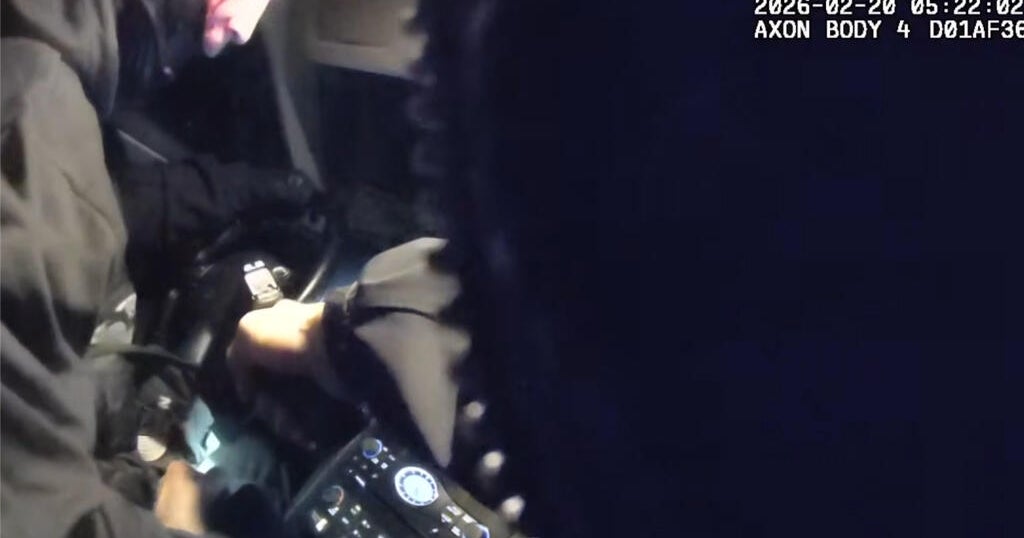
At its core, SB 482 would require individuals requesting mugshots to identify the person in the image. For body camera footage, requesters would need to provide either the identity of someone shown in the video or the approximate date and time of the incident.
State Sen. Brian Strickland, the bill's sponsor, says the intent is not to block access — but to curb misuse.
"We all support the First Amendment, we support access to records, it's very important that we preserve the right to get body cam. We preserve the right to get mugshots as well. But we should not be preserving the right to profit off of it and make money off of it and embarrass people and ruin people's lives because of it," Strickland said.
When CBS News Atlanta spoke with Sen. Strickland, he said the bill would be amended to address concerns from media organizations. Lawmakers say credentialed journalists in Georgia may be exempt from some of the stricter requirements, including the need to file affidavits in person when requesting body camera footage.
Still, advocates warn the broader implications could extend far beyond media access.
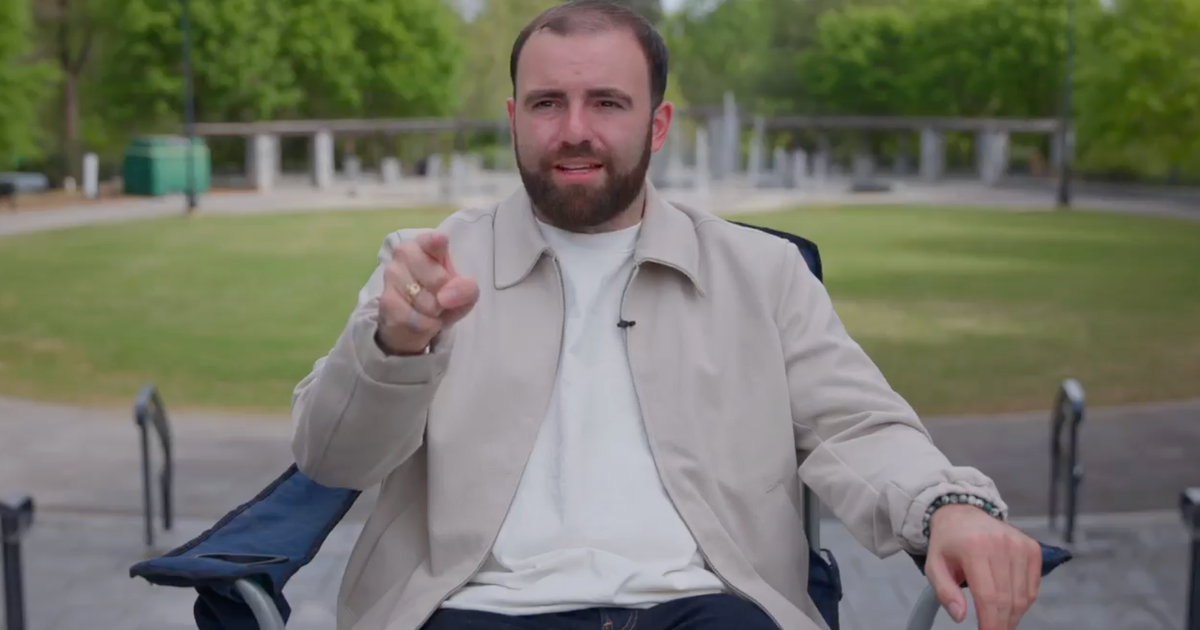
Nora Benavidez, senior counsel at Free Press and an officer with the Georgia First Amendment Foundation, says the bill could fundamentally change how the public understands police conduct.
"Limits on public access to records of all kinds are a troubling encroachment on the principle of expansive rights to information for the public," Benavidez said.
"We all benefit from being able to see how law enforcement engages with members of the public."
She adds that SB 482 doesn't just affect body camera footage — it could restrict access to a wide range of law enforcement images and videos.
For legal experts, the concern is not just about access — but timing.
Benavidez says delays in obtaining footage could have serious consequences for people seeking justice or building legal defenses, particularly in cases involving alleged police misconduct.
"This bill could potentially make the difference between robust accountability and an increasingly black box from which our government can operate," she said.
A personal impact behind the policy debate
For some families in Atlanta, the issue is deeply personal.
Arnitra Hollman says body camera footage played a crucial role in understanding what happened to her father, Johnny Hollman, a 62-year-old deacon who died after being tased by an Atlanta police officer during a 2023 traffic stop.
Her family fought to obtain that footage — and she worries others could face even greater barriers if SB 482 becomes law.
"That body camera footage helped me and my family… I want it to be public knowledge," Hollman said.
"Every time these lawmakers make laws, they never consider us families."
The case drew national attention and scrutiny over police use of force. The officer involved was later fired, though a grand jury declined to bring criminal charges.
CBS News previously reported on the release of that footage and the fallout, highlighting how critical access to video evidence can be in cases involving police accountability.
The broader transparency debate
The debate over SB 482 comes at a time when public trust in institutions — including law enforcement — remains fragile.
Some argue that restricting access to visual records could erode that trust even further.
"Government transparency is one of the strongest ways our Georgia leaders can enhance public trust," Benavidez said.
She warns that limiting access now could send the wrong signal at a time when communities are already questioning how power is exercised and documented.
Meanwhile, supporters of the bill maintain that reforms are necessary to prevent the commercialization of mugshots and sensitive footage — an issue that has sparked controversy nationwide, with some websites profiting from booking photos.
What happens next
SB 482 now heads to Governor Brian Kemp's desk, where he is expected to decide whether to sign the bill into law.
If enacted, the measure could reshape how journalists — and the public — access police records across Georgia.
And as the debate continues, the central question remains: who gets access to public information — and at what cost?