Watch CBS News
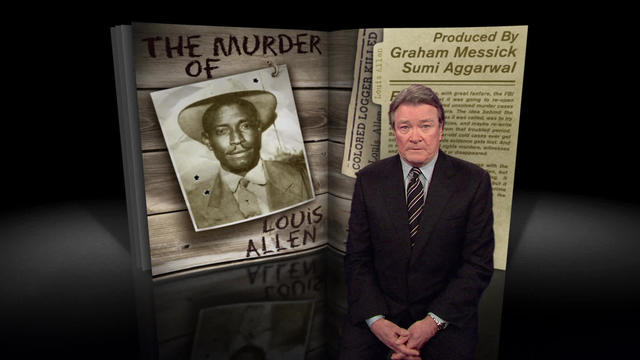
On September 25, 1961, Louis Allen witnessed a powerful state legislator shoot and kill a black man. After Allen decided to tell the truth about what he saw, he was killed. Allen’s unsolved murder spurred thousands of white college students to come to Mississippi in the Freedom Summer of 1964.
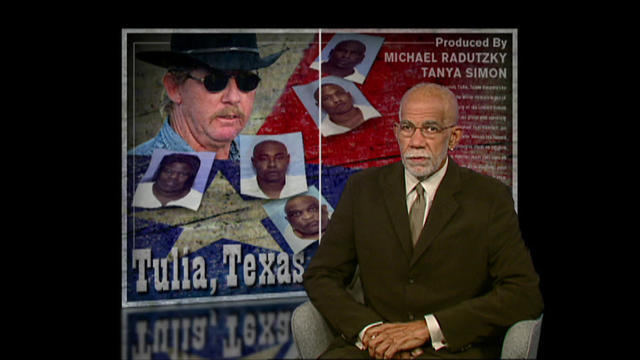
A small Texas town saw 13% of its black population arrested and charged with dealing cocaine. But a state judge in 2003 said the investigator behind the arrests was "the most devious, non-responsive law enforcement witness this court has witnessed in 25 years on the bench in Texas."
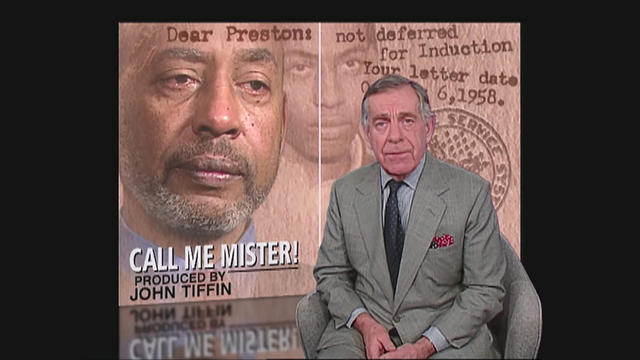
Preston King was seeking a deferment from a draft board to pursue his doctoral degree, but when the board found out he was black, they denied the deferment and refused to address him as Mr. King. King said he would serve, but only if the board referred to him as “mister.” They refused.
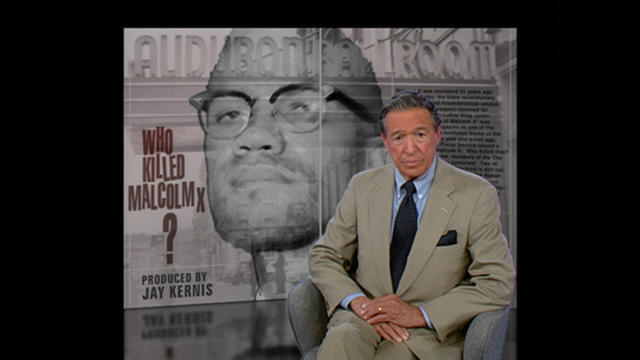
In 2000, Mike Wallace interviewed Attallah Shabazz, the daughter of Malcolm X, and Louis Farrakhan who succeeded the slain leader as head of the Nation of Islam.
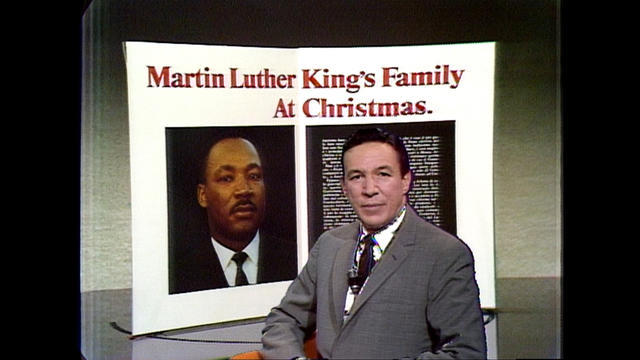
In 1968, Mike Wallace interviewed the family of Martin Luther King Jr. eight months after his assassination.
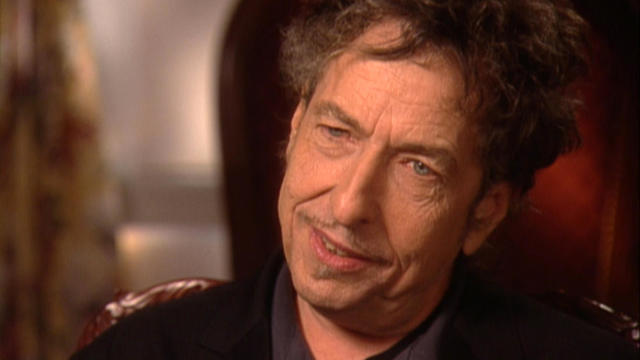
In 2004, 60 Minutes correspondent Ed Bradley asked Bob Dylan about his songs that became anthems for a generation.

Last fall, Bill Whitaker profiled the acclaimed Filipino journalist, who is known for her critical coverage of President Rodrigo Duterte.
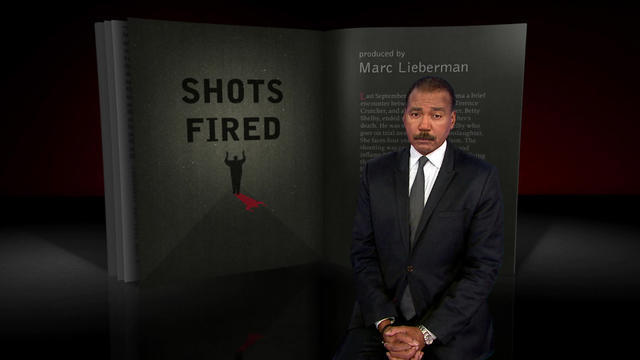
In 2017, Bill Whitaker interviewed former Tulsa police officer Betty Shelby, who fatally shot an unarmed Black man.
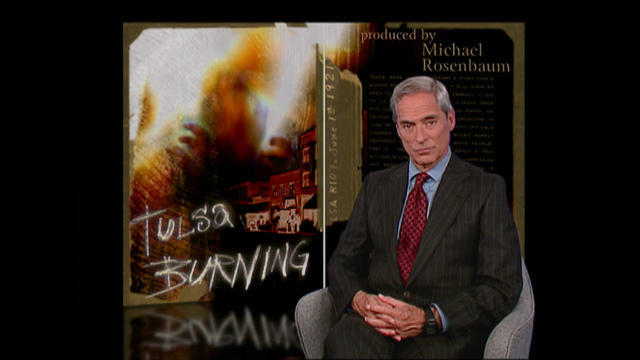
In 1999, 60 Minutes correspondent Bob Simon reported on the 1921 Greenwood massacre, one of the country's worst incident of racial violence.
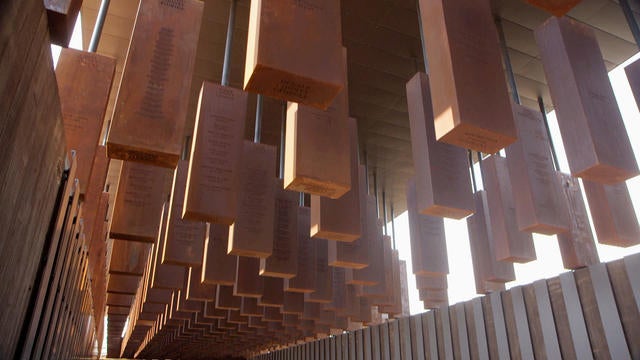
A collection of six stories from the 60 Minutes archives about race and policing, as told in five different decades