Watch CBS News

In 2005, Scott Pelley spoke with Charles Robert Jenkins, a former U.S. soldier who had deserted to North Korea in 1965, about the abuse and control he suffered over his nearly 40 years there.

In 2017, Bill Whitaker reported on the continuing military threat posed by North Korea, a threat exacerbated by dictator Kim Jong-un's possession of nuclear weapons and his pursuit of an intercontinental ballistic missile.

In 2001, 60 Minutes reported on "mammoni," Italian mama's boys who, well into adulthood, lived at home, slept in their childhood bedrooms, and were waited on by their mothers. At the time, one 39-year-old called the set-up "paradiso."
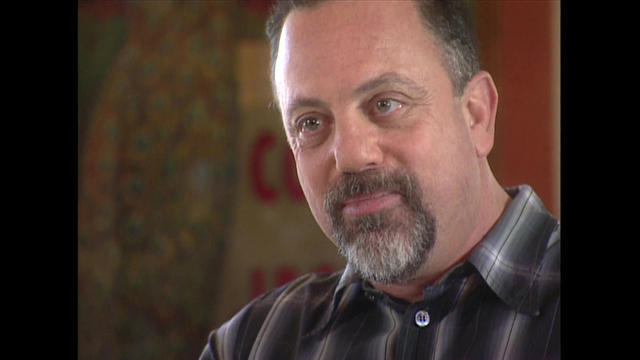
In 1998, musician Billy Joel sat down with Steve Kroft for a candid conversation in which he shared a theory on his success. "When you're competent, and you live in an age where there's a lot of incompetence, it makes you appear extraordinary," he said.

Can the logic of corporate finance be applied to the individual? Louis Kelso believed it could. In 1975, 60 Minutes profiled the economist who argued employees should own a stake in the company for which they work.

In 1983, 60 Minutes correspondent Morley Safer reported on the story of Lenell Geter, a young, successful engineer who was sentenced to life in prison for armed robbery. Safer and producer Suzanne St. Pierre, who died earlier this month at age 88, dug into the case and saved Geter's life.

How does Jerry Seinfeld define a laugh? "It's a chemical explosion," the comedian said in a 2020 interview with 60 Minutes, in which he reflected on his career, family life and relationship with New York.

60 Minutes traveled to Madagascar in 2012 to report on efforts being made to save endangered turtles and tortoises, including the plowshare tortoise, a species that remains at risk of extinction due to poaching for the illegal pet trade.

To mark Earth Day, 60 Minutes looks back on our reporting on climate change and the environment over the years.

Last year, 60 Minutes reported that scientists were sounding an alarm that we were living in the midst of the sixth mass extinction. Biologist Paul Ehrlich told Scott Pelley that humans would need "five more Earths" to maintain our current way of life.