Watch CBS News

U.S. military clears out of Iraq

The U.S. military announced that it's ending Operation Inherent Resolve in Iraq, which began in 2014 to combat ISIS. CBS News' Charlie D'Agata has more.
1h ago (04:06)

TRANSCRIPT FOR: “U.S. MILITARY CLEARS OUT OF IRAQ AFTER 12 YEARS OF ANTI-ISIS OPERATION”

MUGO ODIGWE:
00:00:00

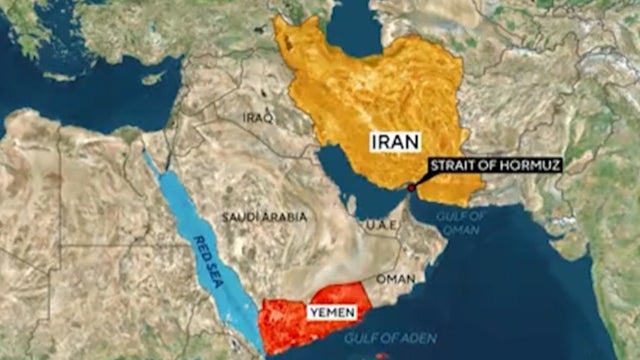
The US military is ending its war in Iraq. They say they are pulling out troops and equipment from a key base North of the country. The move is in line with an agreement reached with the Iraqi government. Let's bring in CBS News Senior National Security correspondent Charlie D'Agata. Hey, Charlie. So what will this drawdown look like? Hey, Mugo. Well, first of all, officials I spoke to overnight said that withdrawal is complete. That officially happened overnight. The last US forces leaving from Erbil, which you saw there, in northern Iraq. And that's a direct statement from US Central Command. And it's the end of what the military calls Operation Inherent Resolve. That was what they termed the fight against ISIS, which has been going on since 2014. And the idea is that the primary responsibility will now shift to Iraqi security forces and the Peshmerga, which is the northern branch of Iraqi security forces, largely run by the Kurds in northern Iraq. The US will still have some oversight, what they sometimes call an over-the-horizon mission, in places like Jordan, where as we know, there's a US military presence there, partly involved in the war against Iran. And operations continue in Syria. Those are mostly Special Forces that are there. They don't really like to keep those numbers, but roughly, 2,500 to 4,000 troops had been in Iraq for just over a decade. Around 1,500 were based at Erbil. And officially, they're all gone. Wow. Charlie, Defense Secretary Pete Hegseth, he make an announcement later today about some significant cuts. What can you tell us about that? Yes. Well, we expect that Defense Secretary Pete Hegseth is going to announce about a 20% reduction in what they call flag officers. And this is generals and admirals across the board. And this is at the Marine Corps Quantico in Virginia, at around 3:00. Now, he had already suggested in May of last year, there would be a 10% cut back in those flagged officers. This is double that. And he was also talking about putting in 20% when it comes to National Guard. Now, it is a dramatic number and a dramatic amount of people. It's roughly 170 people in leadership roles across the board. And it also comes at a time when probably, 20 or more of the top US military brass had already been dismissed. You're talking about the head of the US Army, the head of the Navy, and also, the secretaries of both of those branches. Those are civilian roles. So, in that way, that part of it, that top management, brass management inside the Pentagon has been gutted. And this is a lot. There's a natural attrition that goes on every year, and certainly when there's a new administration that comes in, but 20% is significant. And there are critics on both sides of that. There are some that say, well, it's a long time coming. There's actually a federal law that keeps the number of officers at that level, at 850. And they're pretty close to that now. So the drawdown probably, was expected anyway. But this is much more significant than that. What we don't know is where this is going to come from. We're looking at an active conflict zone that the United States has engaged in against Iran, a redistribution of US Forces in the Middle East, their projected deployments and reinvestment of US Forces in places like Greenland, which we discussed.

MUGO ODIGWE:
00:03:35

Yeah, yeah, yeah. Look at the Caribbean. There are questions over Cuba. So there are a lot of moving parts right now. And it goes down to the COCOMs, it's called the Combatant Commands. Places like SOUTHCOM, which would include the Caribbean, and CENTCOM, which includes the Middle East. So we'd be looking at where the chips are going to fall. But what I can tell you is these changes are expected to be enforced by January 2027, so there is not much time to waste.

MUGO ODIGWE:
00:04:01

Not at all. Wow. We'll see what comes next. Charlie D'Agata, as always, thank you so much.

View CBS News In
CBS News App Open
Chrome Safari Continue