Watch CBS News

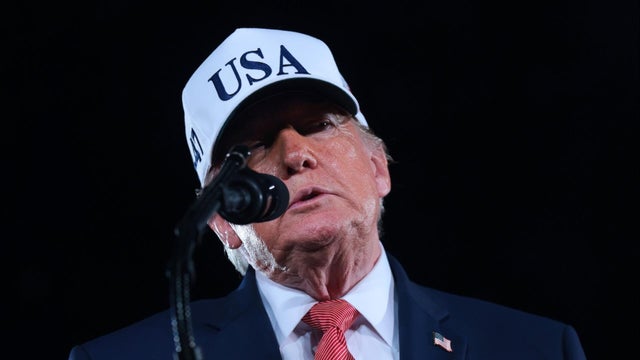
Trump says Iran killings are stopping

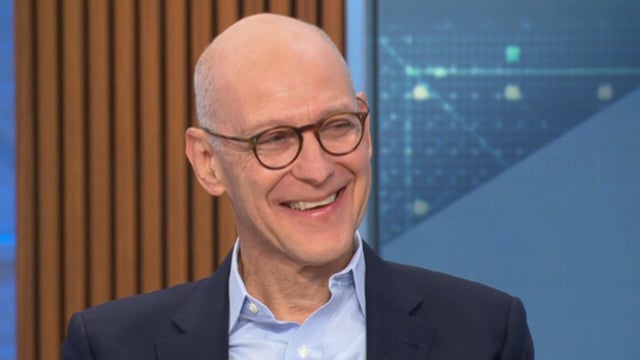
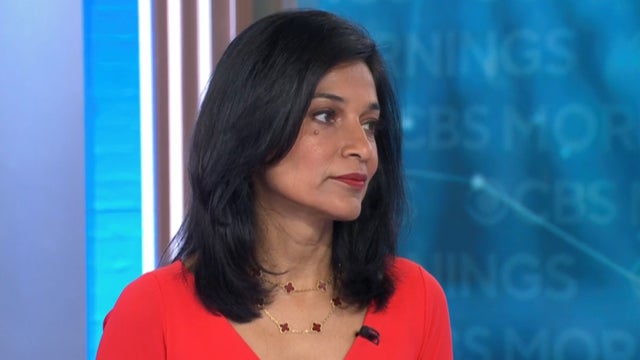
President Trump alluded to killings stopping in Iran and executions not occurring, but did not say who provided the U.S. with that information. Global affairs analyst Jonathan Wachtel joins CBS News with more insight.
Jan 15 (04:10)

TRANSCRIPT FOR: “TRUMP SAYS IRAN KILLINGS ARE STOPPING AS NEWS EMERGES OF ERFAN SOLTANI EXECUTION BEING POSTPONED”

REPORTER:
00:00:30

Does this mean military action is now off the table against Iran? We're going to watch it and see what the process is.

ERROL BARNETT:
00:00:36

And this is also new this morning. Iran's judiciary is claiming that detained 26-year-old Erfan Soltani-- you see him here-- is not facing execution, which had been widely reported. However, a human-rights group in touch with his family tells CBS News his execution was postponed. Global affairs analyst Jonathan Wachtel joins me now to discuss all of this. He previously served as senior policy advisor and director of communications for the US mission at the UN. Jonathan, good morning. Give us the bigger picture here. What should the American public and our viewers make of what's happening in Iran? President Trump seems to be assured that the executions have ended or have stopped, the killing has stopped. But what should we make of the real picture? Errol, I think what we're looking at is this realization that the reverberations of any sort of US strike and demise, complete demise and rapid demise, of the regime in Iran would cause convulsions in the region. There are jitters in the neighboring states, particularly the Gulf nations that have had an adversarial and complicated relationship with Iran, and then concerns about how this affects the balance of power between Israel in the region and considerations that go beyond the absolutely horrific images and heartbreaking ways in which we've watched this unfold with the demonstrators being slaughtered in mass and those concerns. And Iran has cut off access to some communication and internet lines. There's some reporting that it could be extended for a number of weeks. It briefly closed its airspace without explanation. Are those examples of a regime nervous by the widespread anger? Yes, indeed, it's them trying to control the narrative here. And if you shut off the communications, that certainly gives them the voice and the ability to try to contain this outburst of discontent and try to shut this whole enterprise down as rapidly as we can. And this shift in trying not to stir the situation by executing Mr. Soltani is, obviously, something very visual that is something that's being monitored, and it's being contained. We're really looking at what may be a phase in which there's an attempt to try to manage the regime, not some sort of situation in which we would see some sort of regime change that would happen rapidly. And, Jonathan, just in our last few seconds, I want to acknowledge President Trump has reacted to the development that the Iranian protester will no longer be sentenced to death. The president quoting that reporting within the past hour, saying "This is good news. Hopefully, it will continue!" Where do you expect things to go from here? One thing that is certain is-- and we've seen this with these poor people getting slaughtered and braving going out to protest against this regime-- is it is loathed, and they want it gone. So there will still be that pressure on the regime itself to try to save its own neck here, and they'll do it with whatever brutal force they need to do to contain it because at the end of the day, when they're out, justice will turn, and they'll pay the price for what they did to their own people. Yeah, a remarkable sequence of events, no matter what happens next. Jonathan Wachtel, we appreciate your insight this morning. Thanks for being with us.

Videos
View CBS News In
CBS News App Open
Chrome Safari Continue