ERROL BARNETT:
00:00:00
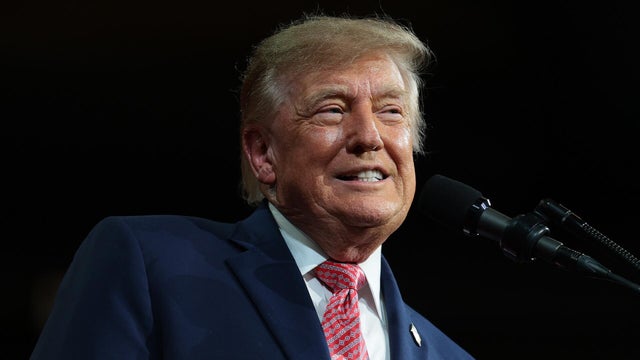
And the conflict continues to push up gas prices across the US. AAA reports the national average for a gallon of regular has jumped $0.30 in just one week. This morning, you see it right here. It stands at $4.46. CBS News Business Analyst Jill Schlesinger explains the strain. The average consumer is really starting to feel the pinch, anywhere from $50 to an extra $100 a month. Before this crisis hit, there were many Americans, millions of them, who were complaining about affordability. House and Political Correspondent Ed O'Keefe joins us now. Ed, good morning. How is President Trump addressing the rising gas prices? [INAUDIBLE] says this war is only a detour and that those high gas prices are going to fall soon, as soon as the war is over. But as we enter the 10th week of the war and the start of the summer travel season, the White House now won't commit to any new timeline for when drivers may see relief at the pump. With Americans squeezed by gas prices up $0.35 in just the past week-- Gas is ridiculous. My jaw dropped.
ED O'KEEFE:
00:01:14
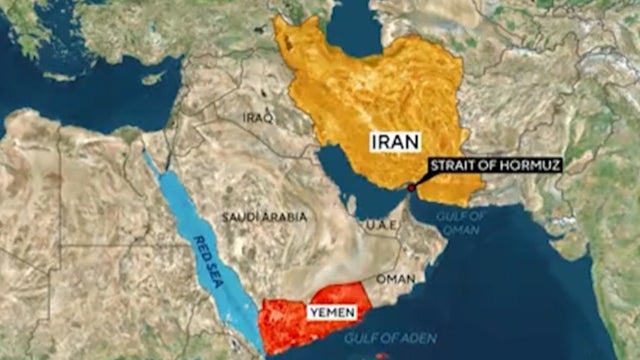
--Transportation Secretary Sean Duffy says the high prices aren't likely to drop until Iran reopens the Strait of Hormuz. It's going to take time to get back to where we were before this conflict began, but you're going to see, I think, immediate relief once the Strait opens.
ED O'KEEFE:
00:01:30
On Sunday, President Trump announced the US will guide trapped ships from countries not involved in the conflict safely out of these restricted waterways, while maintaining the US blockade of Iranian ports. What the president is seeing is that the blockade is working. It's putting an enormous amount of pressure on Iran.
ED O'KEEFE:
00:01:47
But Trump appeared ready to reject an offer from Iran over the weekend to end the war within 30 days if the US agreed to a 14-point plan, including a guarantee of no future attacks, a withdrawal of American forces from the region, and allowing Iran to continue enriching uranium. The president has insisted that permitting any Iranian nuclear program remains a red line and said he could be ready to resume attacks. If they misbehave, if they do something bad.
ED O'KEEFE:
00:02:13
He added Iran has "not yet paid a big enough price for what they've done to Humanity, and the World, over the last 47 years." While Democrats argue US strikes actually may make Iran more inclined to want nuclear weapons. We've ironically, I think, given them more reasons to push for a nuclear weapon. Many of those Democrats and a growing number of Republicans are demanding the president seek congressional approval to continue the war because it's now gone past the 60-day deadline that's laid out in a law known as the War Powers Act. The president argues the ceasefire means the clock has stopped on that, but Democrats point out there's no provision in the law for a pause. We'll see to what extent they keep pushing for congressional authorization, Errol. Yeah, very interesting. Ed at the White House, thank you.