Watch CBS News

New poll on Trump, Iran war sentiments

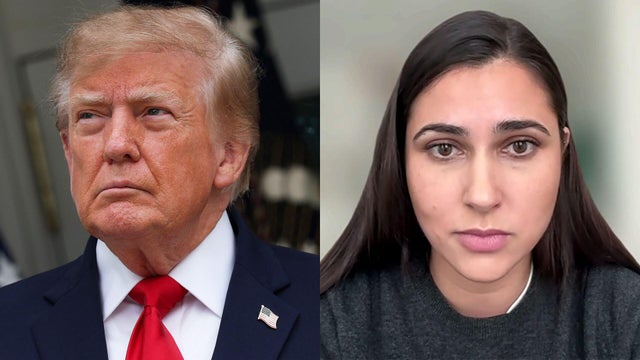
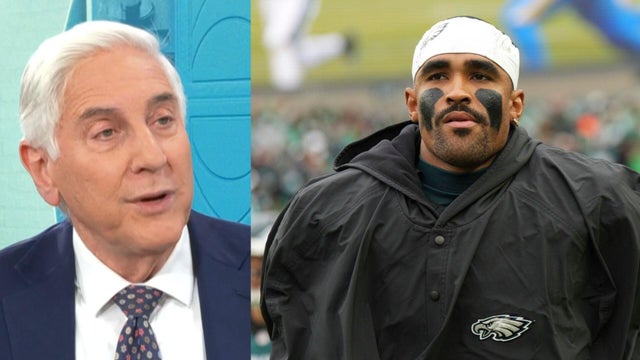
President Trump is renewing threats against Iran as he pressures the regime to reach an agreement with the U.S. This comes as new poll data shows most Americans are frustrated with the economic outlook. CBS News' Olivia Rinaldi and Anthony Salvanto report, and Mark Cancian, a senior adviser for the Center for Strategic and International Studies' Defense and Security Department, joins with more insight.

May 18 (08:27)

TRANSCRIPT FOR: “NEW POLL SHOWS AMERICANS ARE FEELING THE COSTS OF IRAN WAR AS TRUMP ESCALATES THREATS AGAIN”

ERROL BARNETT:
00:00:36

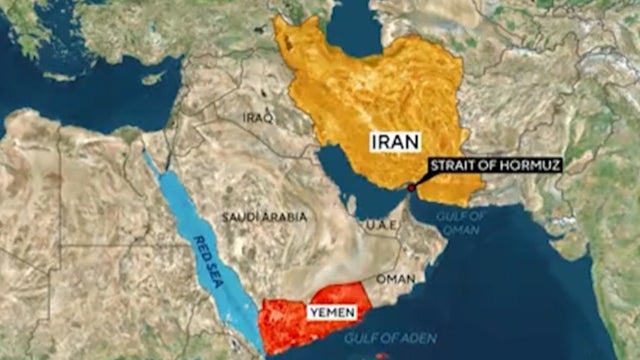
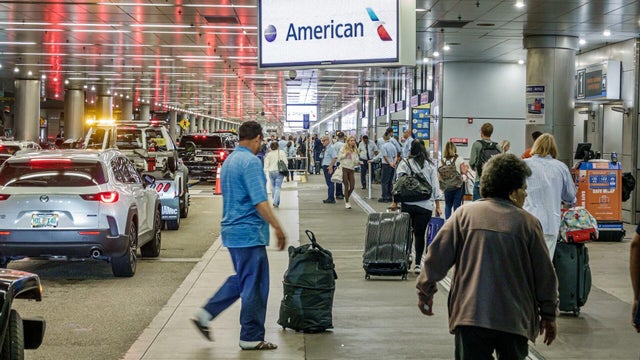
And the war is putting additional stress on Americans' wallets. Gas prices are up 50% since the conflict began, which will impact the more than 39 million people expected to drive for Memorial Day weekend. And in fresh new CBS News polling, 59% of Americans say gas prices have been a financial hardship or has been difficult for them. 38% of voters say they're frustrated with the Trump administration's approach to the economy. And as you see right there, 32% say they're angry. CBS News Elections and Surveys Executive Director Anthony Salvanto brings us more. Most Americans telling us they're feeling concerned or stressed about their personal finances. At the same time, feelings of being secure are down from a year ago. Those are some of the emotions behind the way people are feeling, not just about their finances but also taking a look at the larger economy. Ratings have dropped now to 29%. That's the lowest we've seen in a few years, though they haven't been high, frankly, at all this year. Now, part of that is this bigger picture, big number saying they don't feel like their income is keeping up with inflation. That's been the case for a long time. However, more immediately, we see gas prices in particular. Increasing numbers saying that they are, at this time, a financial hardship or difficult. So that's exacerbating things there. Now, with regard to oil prices and also this uncertainty-- uncertain is a big way that a lot of people describe the economy. Take a look, for example, at the situation in the Strait of Hormuz. Almost 7 in 10 Americans say they don't feel like they're getting a clear understanding of what's happening there day to day, and so that, of course, is impacting oil prices and also that uncertainty that I'm talking about. There's bigger, more structural things in the economy. For example, 2/3 thinking that AI, so much in the news now, is going to take jobs. A lot of people also saying they don't necessarily think, if they had to find a new job, that they could. And now let's look at the bigger picture, opportunity in this economy. We see increasing numbers and, in particular, people who are younger feeling like their opportunities are not as good as their parents had. Those are a look at the bigger pictures underpinning all those views about the economy.

ERROL BARNETT:
00:03:09

All right, Anthony, thank you for that. CBS News White House Reporter Olivia Rinaldi joins us now from our DC bureau with more on this and the administration. Good morning, Olivia. So Americans are clearly concerned about increased costs lately, and we heard the administration last week attempting to walk back the president's comments about Americans' finances. Remind us about all of that and how the White House is grappling with this reality. That's right, Errol. Before President Trump departed for China, he made this comment on the White House South Lawn. He said, "I don't think about Americans' financial situations." That was when asked about whether Americans' financial situations are impacting his view of the war in Iran, wanting to wrap it up quicker. He said, "I don't think about it." The president then was on Fox News where he was asked about that question again, that statement that he made. The president said it was a perfect statement. He would make it again. He also went on to say that "people hear me when I say short-term pain is going to be short-term pain. The pain is much less than what people thought." And the president says that the short-term pain is worth it because it means that Iran will not have a nuclear weapon, that this war had to be done. He had to go in there and fight the Iranian regime for their nuclear weapons. And, therefore, that's going to create some short-term pain, but in the long run, it won't be too long of Americans feeling this. We also heard similar from Speaker Mike Johnson over the weekend in an interview with Fox News where he said that once the war is dealt with, the administration and Republicans will go back to dealing with kitchen-table issues. And take a listen to what Jamieson Greer told our Margaret Brennan on Face the Nation yesterday about this issue as well.

JAMIESON GREER:
00:04:47

No one wants to see higher gas prices. At the same time, the president's balancing foreign-policy considerations. We know that, in addition to wanting to have low gas prices, we don't want our children or grandchildren to inherit a world where Iran has a nuclear weapon. So the president is focused on affordability in as many ways that he can. Now, Anthony's poll findings are alarming for some in the White House, of course, as they're looking at the issues of affordability and how Americans are viewing the economy, which President Trump ran on and helped fuel his return to power. Very good reminder. Olivia Rinaldi starting us off in Washington. Thank you. We're joined now by retired Marine Colonel Mark Cancian. He's a senior advisor for the Center for Strategic and International Studies. Long-time viewers should recognize him by now. Good morning, Colonel. Great to have you with us this Monday. Let's discuss the war in Iran as the US standoff with the nation drags on. I just want to mention some CBS News polling that we've been discussing. It shows a majority of Americans feel neither the US or Iran have an advantage in the conflict. How can the US get out of this, considering it's unpopular, It's making Americans' lives more expensive, and there doesn't appear to be any agreement on a ceasefire? Well, there isn't. We've been on pause for weeks because of the president's upcoming trip to China. Now that's behind us, and the president has to face the situation in the Gulf. Neither side has been willing to compromise. There's been some skirmishing around the Strait, but it's unstable. The Iranians are blockading the Strait and preventing oil from getting out. That's hurting the world economy and the US economy. US is blockading from the outside, hurting the Iranian economy. The president has threatened military action, and I believe the US is developing plans-- in fact, has plans for military action to try to break the situation open and get to an agreement. So there's a cost to the US continuing the campaign and a cost to just walking away. Can President Trump just stop and remove the military presence there and declare victory, as he's already done many times? Well, that's a possibility. The United States has accomplished some of its goals. It has destroyed the Iranian navy, most of its air force. It has damaged the nuclear program yet again, which is now set back many years, even a decade, and destroyed most of their ballistic-missile manufacturing capability, although Iran still has missiles. The problem is the Strait. The administration has to get an agreement for the Strait to open. The UAE reported a drone strike over the weekend near its second-- or near its sole nuclear power plant. How have Gulf allies of the US been hurt by this? Well, the Gulf allies have been dragged in. They expected that Iran would attack US bases. They did not expect Iran to attack them, their infrastructure, and their populations. So they have taken some damage, both to their societies and to their economies and, most concerningly, to their oil production. An aspect, though, is that this has driven the Gulf states closer to the United States, and they've asked for arms sales to protect them. All right, very interesting stuff. Colonel Cancian, thank you so much for being with us, joining us from Virginia.

View CBS News In
CBS News App Open
Chrome Safari Continue