Watch CBS News

Lawmakers slam Hegseth over Iran war

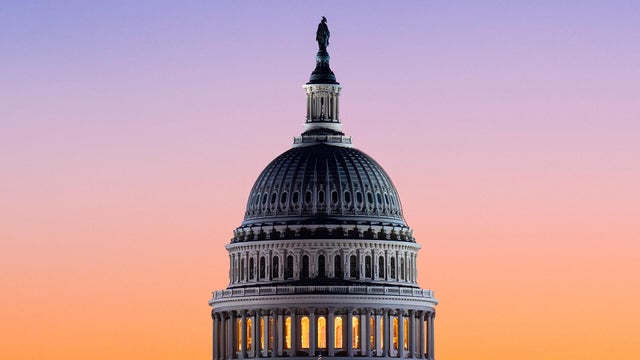
Secretary of Defense Pete Hegseth is facing lawmakers on Capitol Hill who have questions about the U.S.-Israeli war in Iran. This comes as global oil prices have skyrocketed amid a prolonged stalemate at the Strait of Hormuz. CBS News' Taurean Small and Ramy Inocencio report.

Apr 30 (07:34)

TRANSCRIPT FOR: “LAWMAKERS SLAM HEGSETH OVER IRAN WAR AS OIL PRICES SKYROCKET”

ERROL BARNETT:
00:00:57

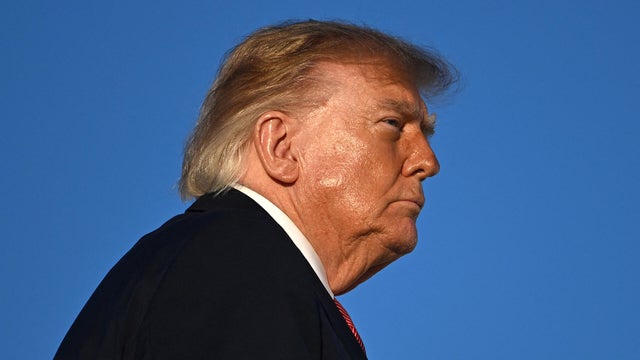
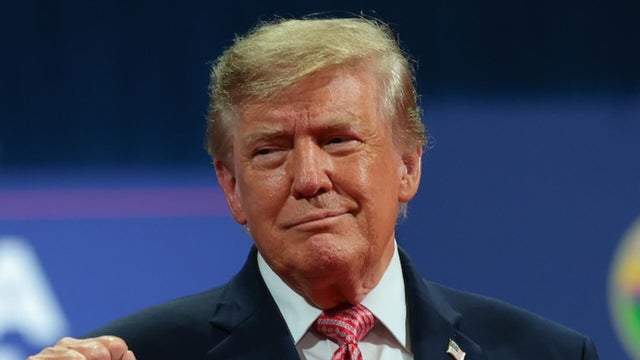
Also, Axiosis reporting President Trump will be briefed by defense leaders today on new plans for potential action, military action, against Iran. CBS News Congressional Reporter Taurean Hall joins us now from our DC bureau with more on all of this. Taurean, good morning. President Trump also spoke about the war yesterday. What new information have we learned from that? Yeah, good morning, Errol. The president was pretty clear in that he believed that operations so far have been going well. He underlined that the American negotiators refused or will refuse moving forward to travel abroad to continue with these conversations, saying that everything from now on will happen over the phone. He says he refused to send someone on behalf of the US to talk about a piece of paper, insisting that no deal can happen unless Iran agrees to no nuclear weapons, which hasn't been the case so far. This was a pretty instructive moment throughout his address in the Oval Office when he told the press that he is willing to be relentless when it comes to Iran if they are willing-- unless they're willing to surrender. Take a listen. Now they have to cry uncle. That's all they have to do. Just say, we give up. We give up. But their economy is really in trouble. It's a dead economy. We also know, according to the president, that he had a conversation with Russian President Vladimir Putin, who insisted that he would love to be a part of aiding the US's efforts in this war against Iran. The president said he turned down that offer, insisting that the Russian president instead end his war with Ukraine, Errol. And, Taurean, we've heard the president claim victory in this war. Initially, both he and the Pentagon said it would be relatively brief, four to six weeks. It's been nine weeks. Has lawmakers' sentiment changed at all because of that? Yeah, nine weeks. We're at the 60-day mark, which, historically, would have triggered a war powers resolution. That was instilled by Congress in the 1970s. That would pretty much require the executive branch to stop any military action and seek congressional authorization. It appears, though, that Republican leadership in the House and Senate are uninterested in curbing the president's powers, as we've seen repeatedly failed war-power-resolutions votes, usually spearheaded by Democrats. And now we're hearing from those same Democrats, especially when it comes to pressing the defense secretary, Pete Hegseth, that there appears to be no cooperation with the Trump administration and Congress moving forward on this military operation. But there is one Democrat who has been supportive so far. That's John Fetterman, the senator from Pennsylvania. This is what he had to say yesterday on The Takeout. We don't have to agree with everything with Epic Fury that's happened. But since we're here, why can't we just collectively demand, all right, let's make sure that we force them to turn over the nuclear material at this point? During the hearing yesterday with top military officials, we also learned for the first time the price tag of this war with Iran was $25 billion. This on top of a $1.5-trillion budget request the administration is asking Congress for next year, Errol.

ERROL BARNETT:
00:04:30

Very expensive. Taurean Small in our DC bureau, thank you for that. For a look now at the impact on global oil prices and what we all pay for energy and fuel, we're joined by CBS News Foreign Correspondent Ramy Inocencio in London for us. Ramy, what's standing out to you this morning as we speak about the fluctuating and increasing costs of fuel? Sure, Errol. Good morning. What's standing out to me is the price of Brent crude right now. This is the global benchmark. Talking about this every day. Waking up to notifications that it hit over $126 a barrel. This is really shocking because we haven't hit that in this war. And, in fact, it's at a four-year high because the last time we saw these prices was back in March of 2022, of course, when Russia did invade Ukraine. And we're seeing this shock already percolate to gas prices at the pump. Where you are in the US, taking a look at that right now, the new national average on your left, $4.30 for a gallon of regular. Just yesterday, that was $4.23. And this time last year, it's basically up by about 35%, up by more than $1 there. Now, what set this off, though, was from a report overnight about the concern, the fear that President Trump may go ahead with more bombing of Iran. And this is from a report from Axios. President Trump is expected to get briefed by the commander of CENTCOM-- this is Admiral Brad Cooper-- about these plans. They're being described as short and powerful, a wave of strikes here, and probably could include infrastructure. Unclear right now as to what this infrastructure might be. But if you look at the first 40-ish days of the war, everything had been hit-- military facilities for the production of missiles; civilian targets or dual-use targets, as people say, schools to a major bridge west of Tehran. But the goal here would be to bring Iran back, hopefully, to talks with the US. As we've been reporting, those have been stalled since last week. And I'm just seeing lines right now, a statement out from Iran's ayatollah, Mojtaba Khamenei, along with the IRGC. The lines that are sticking out to me, they're talking about the management over the Strait of Hormuz, and the ayatollah saying that they want to put an end to the hostile exploitation of the waterway. The IRGC also echoing similar statements, the management and control of the Strait here. So it appears that there is no backing down from the statements here. And if we do see this renewed strikes on Iran over the coming days or weeks, we'll imagine we'll see the effects again on oil, on gas, on fuel, on airplane tickets, and further on into food, what have you. Anything that uses oil and gas, we will be feeling not that pinch but that pain. Yeah, and as we just reported, there is some reporting that the president is being offered more options, military options, on Iran, so we'll watch this closely. Ramy, thank you.

View CBS News In
CBS News App Open
Chrome Safari Continue