Watch CBS News

Florida moves to block OpenAI's development

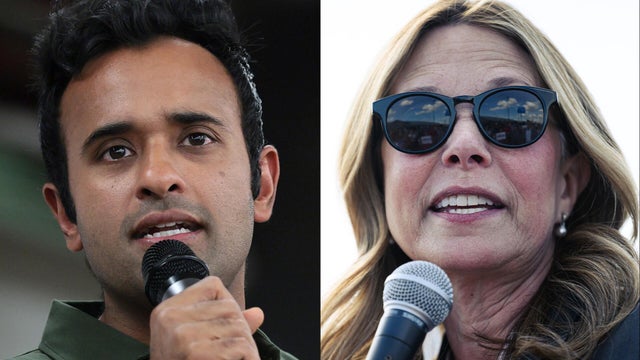
Florida's Republican attorney general wants to stop OpenAI from developing its artificial intelligence products until a court determines they are safe. University of Florida law professor Derek Bambauer weighs in.
2h ago (04:51)

TRANSCRIPT FOR: “CAN STATES TRY TO REGULATE AI TECHNOLOGY? A LAWYER SAYS YES.”

ERROL BARNETT:
00:00:35

Now back in June, Florida filed the first state lawsuit against OpenAI. That suit claims the company's AI models allegedly harm children and assist users in self-harm and violence against others. An OpenAI spokesperson says the company has paused training its most capable AI models, and will only resume when it's confident there are more safeguards in place. He added, OpenAI is committed to working with Florida and other states on these safety issues. All right, let's chat with Derek Bambauer about this. He's a professor of law at the University of Florida School of Law. So the perfect person to tell us where this goes from here. Professor, good morning. Let's start at the top. Does the Florida Attorney General have legal standing in these cases, do you think? Good morning. He does have broad legal standing under Florida's consumer protection statutes. And in many ways, the suit against OpenAI is similar to lawsuits we've seen in other states against social media companies, where the core claim is that OpenAI has essentially done two things wrong. First is that they have designed their products in a way that they know to be unsafe. Second, that they have misrepresented it in their marketing as safe, accurate, and reliable when they know that it's not. And so the core of the lawsuit seeks to prevent OpenAI from offering unsafe products, from misrepresenting their safety, and also seeks to recover damages on behalf of Florida consumers who may have been harmed by OpenAI's actions. So it sounds like this could have some legs. And you mentioned other states. We've seen places like New Mexico win their cases against social media companies like Metafor similar reasons, because they say the product was sold as safe for young people when it wasn't. So what happens if the Florida state court grants this injunction? If they grant the injunction, Florida has sought some remarkably broad relief. There are things in the requests for the preliminary injunction that I think few people would argue with, which is to prevent OpenAI from misrepresenting that its product is entirely safe, reliable, and accurate. If they're able to prove that, in fact, OpenAI did so, that they should not be allowed to offer it to children in Florida. The broader request is really, I think, extraordinary in that they seek to block OpenAI from engaging in further development of any of its AI models without having approval of an independent third party, that those models are safe and reliable. And so that's a decision that the preliminary injunction granted would affect not just consumers in Florida, but consumers and users in the entire country.

ERROL BARNETT:
00:03:33

That is fascinating. So an independent third party would have to confirm that the products are becoming safer. Might other states then follow Florida's lead if this continues? I expect that they would for two reasons. The first, as you mentioned, the social media lawsuits have been, I think, remarkably successful, and most states have at this point filed suit against social media. The second is there's a remarkable bipartisan consensus in this moment, even in an election year, that some sort of AI regulation, that some sort of guardrails are needed, given the risks that we've seen, for example, from OpenAI's hack into the AI company Hugging Face. And so, given that there has yet to be national regulation of AI, the states have started to move on their own, both in passing laws in places like New York, Colorado, and California. And now we see attorneys general such as Florida's attorney general moving to use existing consumer protection laws as a way of regulating OpenAI, social media and other software platforms more generally. So I think that is a trend that will continue.

ERROL BARNETT:
00:04:44

All right, we'll watch this. It affects all of us. Professor Derek Bambauer, thanks for joining us this morning.

Videos
View CBS News In
CBS News App Open
Chrome Safari Continue