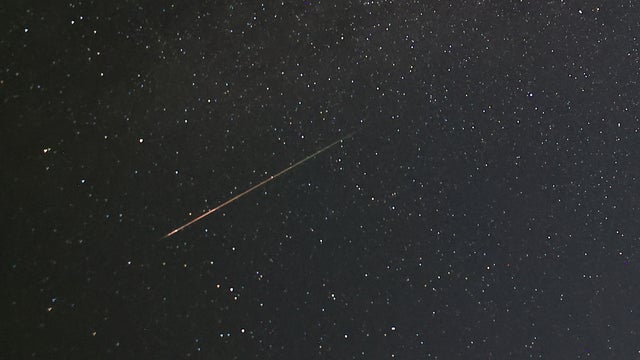
Perseid meteor shower reaches peak viewing on Wednesday night
The Perseid meteor shower is the best viewing all year, according to NASA.
Watch CBS News
The Perseid meteor shower is the best viewing all year, according to NASA.
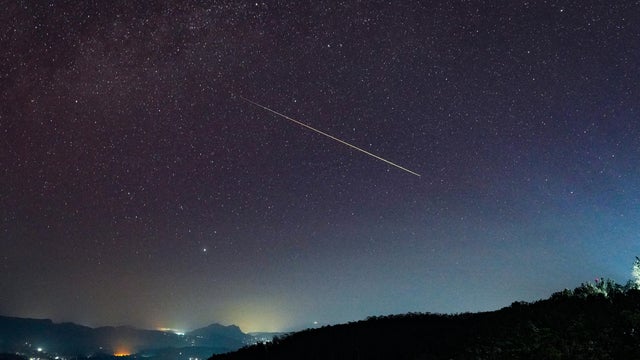
The Perseids meteor shower begins this week and is expected to offer one of the best astronomy shows of 2025.
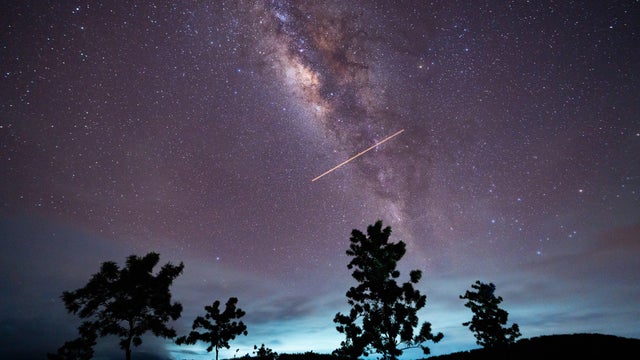
Meteors from the Eta Aquariids, known for their speed and created from space debris originating from Halley's comet, will zoom across the sky as the shower peaks.
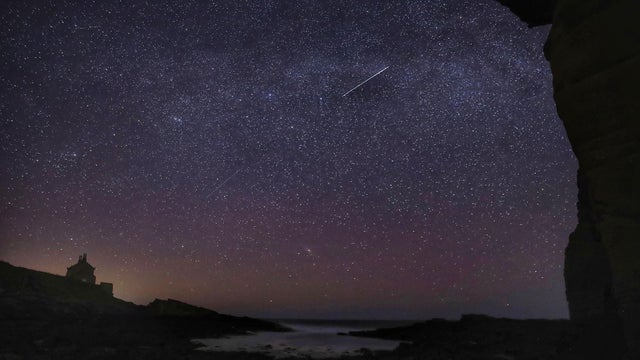
During the peak of the Lyrid meteor shower, 10 to 20 meteors could be seen per hour, NASA says.

This is the first time the sound and image of a meteor falling has been documented on video, a University of Alberta scientist found.
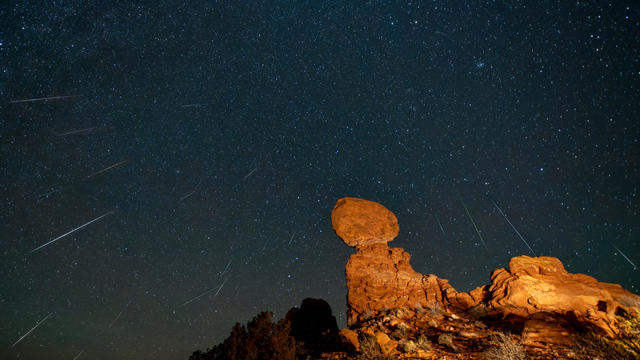
The Geminid meteor shower this year is set to peak at almost the same time as December's full moon, which could make for challenging viewing conditions.
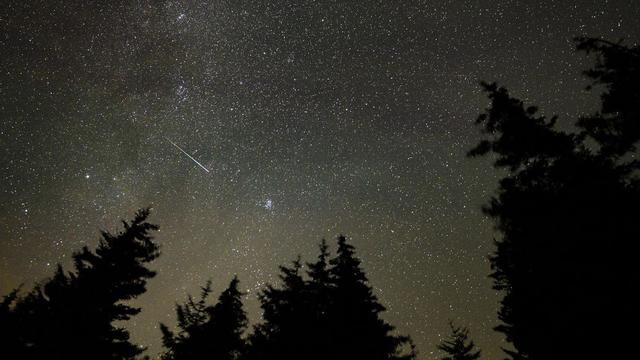
Two meteor showers are expected to flash across night skies around the same time this week.
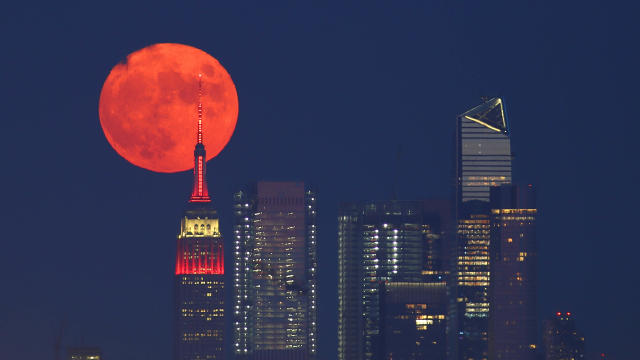
The full moon, also known as the Thunder Moon, will last three days, peaking on Sunday morning.
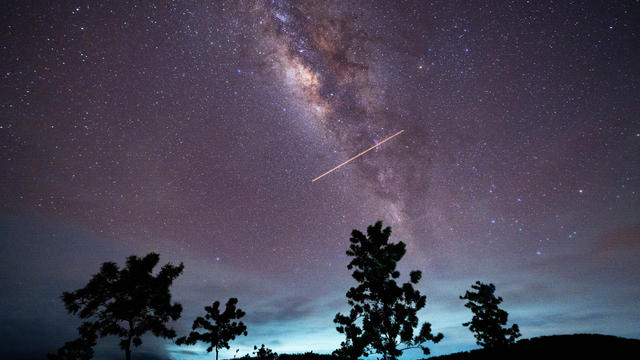
The Eta Aquariids meteor shower will peak overnight on Sunday into Monday, according to NASA.
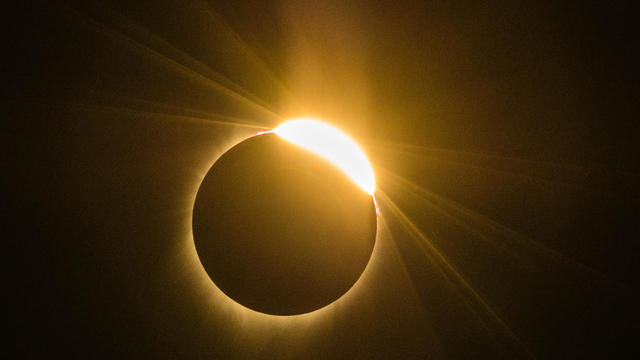
Astronomy fans can enjoy celestial events throughout 2024, looking to the sky to see full moons, meteor showers and a total solar eclipse. Here are the key dates to mark on your calendar.
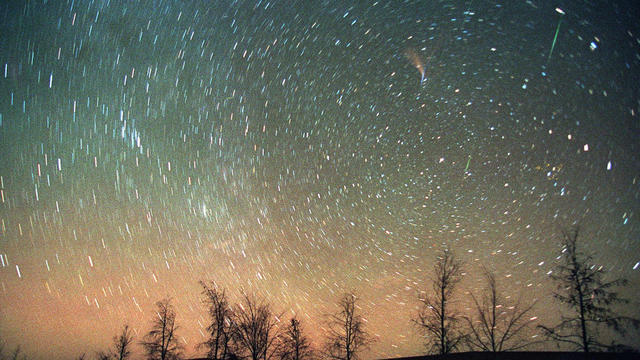
The Leonid meteor showers are fast – streaking by at 44 miles per second, according to NASA. Still, some stargazers can see them at their peak this week.
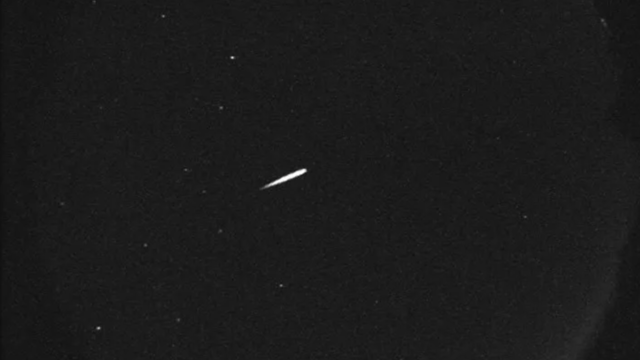
The Orionids are known for their brightness and speed, traveling at about 41 miles per second.
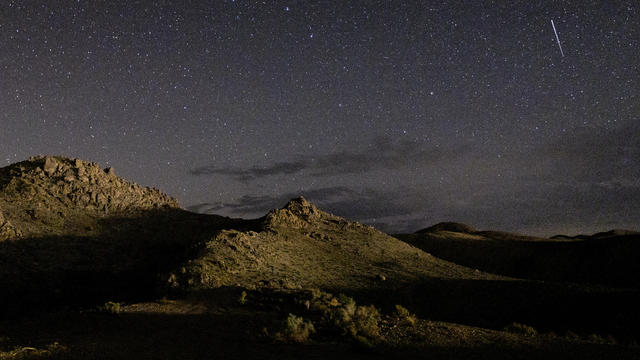
About 50 to 100 meteors from the Perseids can be seen per hour under ideal conditions, according to NASA.
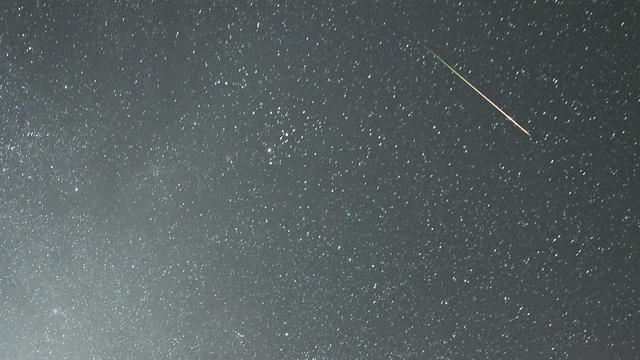
Some folks could see around 100 meteors per hour!
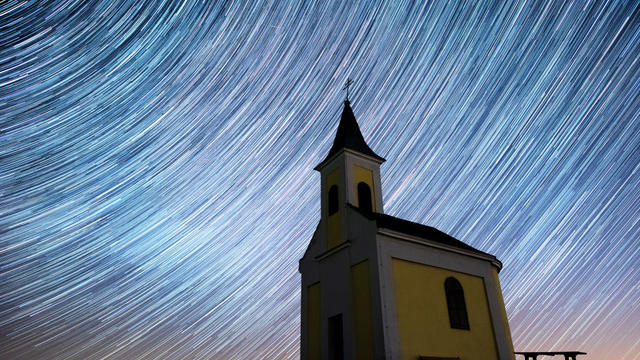
The Lyrids have lit up the sky for the past 2,700 years and potentially dozens of meteors could be seen per hour.
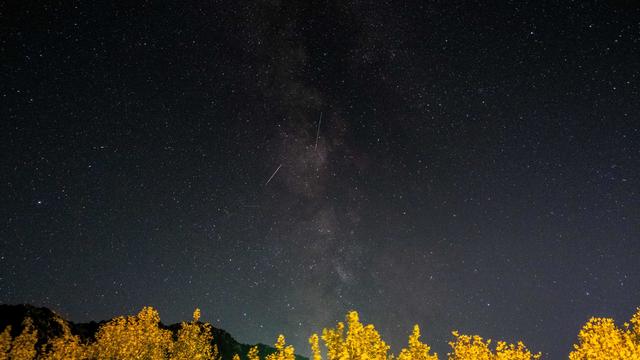
The Orionids travel at 148,000 mph and, because of their speed, can sometimes become fireballs when they enter Earth's atmosphere, NASA said.
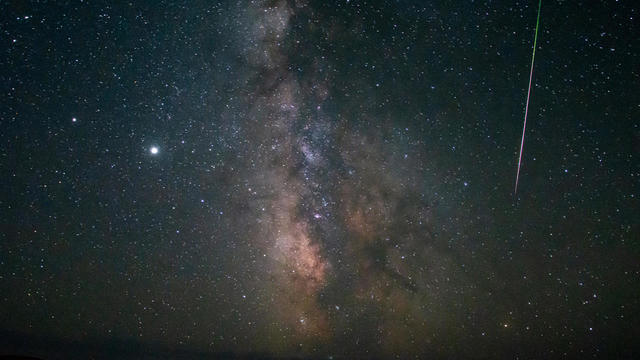
You won't need binoculars to witness this event, just look up to the sky!
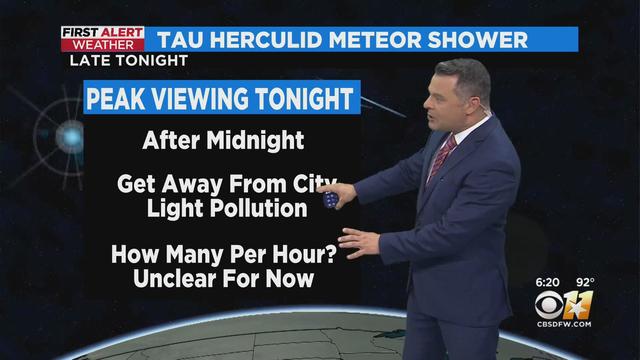
If you're up past midnight tonight, you might see a meteor shower.
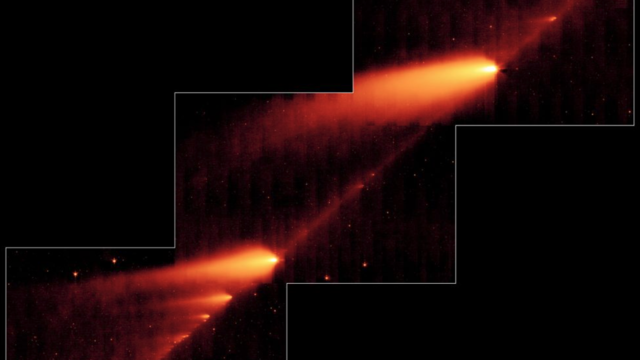
North Americans have the best chance of seeing the tau Herculid shower, with NASA recommending the best time to look up at around midnight in Texas.