Gov. Greg Abbott unveils TREO, Texas' DOGE-inspired regulation-cutting agency
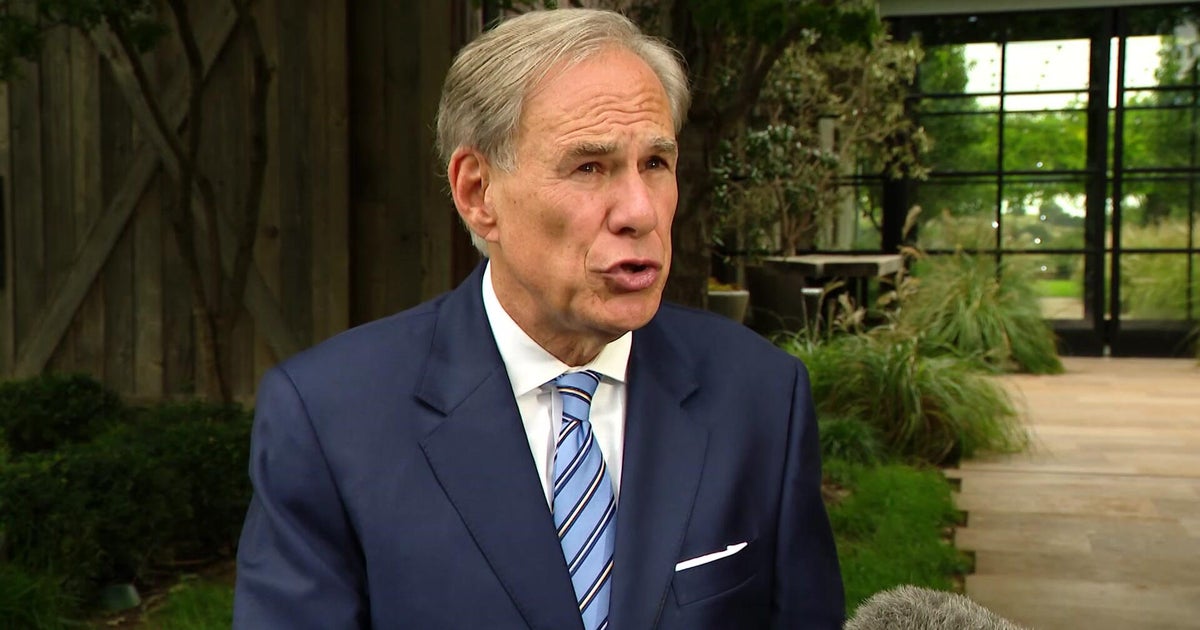
Texas Gov. Greg Abbott on Thursday unveiled a new state initiative aimed at streamlining government and cutting unnecessary regulations, including the launch of an online portal where residents can submit feedback on potential overreach.
Abbott announced the launch of the Texas Regulatory Efficiency Office (TREO) and the opening of a new Regulation Evaluation Portal.
Abbott said the office, housed within the governor's office, will make Texas "more responsive and more efficient" by removing red tape and reducing regulatory burdens.
"The State of Texas operates at the speed of business, and this new Texas Regulatory Efficiency Office will ensure we continue to foster economic opportunity and protect individual liberty," Abbott said.
The TREO website, which will continue to expand, serves as a one-stop shop for updates on the office's work and offers Texans an online portal to submit feedback and recommendations on potential overregulation, the governor said.
Earlier this month, Abbott appointed Jerome Greener as the first director of TREO.
The office was created through Senate Bill 14, signed into law in April.
The legislation directs TREO to help state agencies identify and repeal ineffective or unnecessary rules, evaluate the costs regulations impose on the public, and develop best-practice guidelines for adopting new rules and conducting required analyses, such as employment and cost impact statements.
Texas TREO vs. Trump's DOGE
While Abbott's TREO mirrors some of the goals of the federal DOGE created under President Donald Trump, the approaches differ in scope and style.
Both offices were founded on the idea of cutting red tape, reviewing regulations and promoting government efficiency, but the federal initiative has led to layoffs and funding freezes, while Texas' effort is more narrowly focused on agency rulemaking and cost analysis.
Trump's DOGE, created through an executive order, has drawn headlines for sweeping dismissals of federal employees, orders to agencies to lay off probationary workers and halts to trillions of dollars in grant programs. Supporters of the president argue those measures are necessary to eliminate waste and rein in what they see as a sprawling federal bureaucracy.
In contrast, Abbott's TREO was established by state legislation and is designed to operate within existing government structures.
Instead of direct staff reductions, it will identify unnecessary or ineffective rules, measure regulatory costs on Texans and publish best-practice guidelines for how agencies should adopt new rules.
Abbott emphasized that the focus is on transparency and efficiency rather than headcount reductions.
Florida launches DOGE-like audits of local governments
Back in February, Florida Gov. Ron DeSantis issued an executive order to establish the Florida Department of Government Efficiency, mimicking similar efforts made by the Trump administration at the federal level to curb government spending.
After the executive order, the Florida legislature passed a measure (SB 2502) in June that codified part of the order into state law for a period of one year, giving the state more authority over local governments.
DeSantis announced in July that state agencies, universities, counties and cities across the state would undergo financial audits.