Texas lawmakers hear from residents, state regulators on the impacts of data centers

A state legislative hearing on data centers drew so many Texas residents that lawmakers opened two overflow rooms at the Capitol.
Residents expressed concerns about data centers, which have become a flashpoint ahead of the November election.
While the Legislature is not in session, lawmakers are gathering input, and testimony from the hearings will guide them as they craft bills next year.
Susan Tatro, who lives in unincorporated east Williamson County, was among the Texans who testified. She said a third data center – one 200 feet from her property – may be approved within a mile of her home.
"Lights, noise, water," Tatro told lawmakers. "I have four acres with a tank. I've got ducks, I've got egrets. I've got dogs. I've got cats. I've got animals. My neighbors have cows. At the end of the day, I'm worried they could affect our springs."
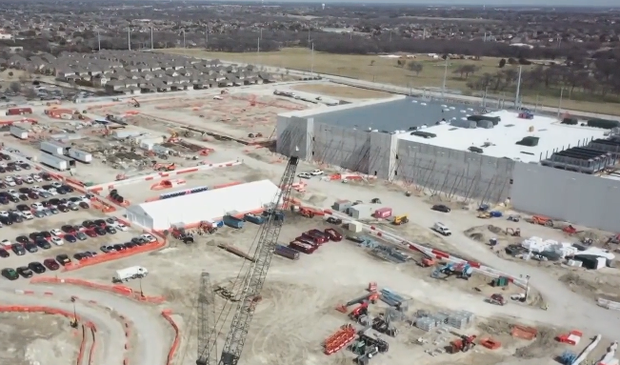
Residents like Tatro and others who live in unincorporated areas do not face codes or restrictions, but that lack of regulation also poses challenges for developers buying land there to build data centers and other facilities.
Kyle Workman, a Leon County commissioner, told lawmakers that commissioners have no authority in those areas and cannot impose restrictions.
"The primary underlying issue here seems to be a lack of county regulatory authority over unincorporated areas," Workman said. "It is my respectful request that the state of Texas provide an increase to county control and influence over these such projects to ensure our citizens receive representation they expect from their local leaders."
Many residents also worry they will end up paying more on their electricity bills because of data centers.
State planners said that under the proposed rules, large-load customers connected to the ERCOT grid would pay a greater share of the new infrastructure costs, but not all of them.
"There's going to be a small portion of population growth that is going to contribute to the need for new transmission, and residential consumers should be paying for that," said Ben Barkley, CEO and public counsel of the Office of Public Utility Counsel.
"However, if you have a gigawatt data center coming online, and you need to build a significant amount of transmission to serve that data center, 100 percent of those costs should be paid for by that data center."
Barkley acknowledged that residential customers will not see their bills go down, but they will not rise as much under the proposed rules.
Earlier this month, Gov. Greg Abbott implemented a pause on data center projects, requiring them to comply with and pass verification audits conducted by ERCOT and the Public Utility Commission of Texas.
Developers must disclose how they are paying for the projects, their ownership, how much electricity and water they will use and the source, and how they will reduce noise and light impacts on residents.
Abbott has previously said data centers should not be built in rural Texas neighborhoods and that developers must pay their own way and provide their own water and power.
Democrats running for governor, Gina Hinojosa and Lt. Gov. Vikki Goodwin, have called on Abbott to convene a special session on the issue, but he has not done so.
Watch Eye On Politics at 7:30 a.m. Sunday on CBS News Texas, on air and streaming.
Follow Jack on X and Instagram: @cbs11jack


