SMU experts weigh in on market volatility as students learn
Amid recent stock market volatility, experts at SMU's Cox School of Business are offering insights.
Market Volatility Lessons
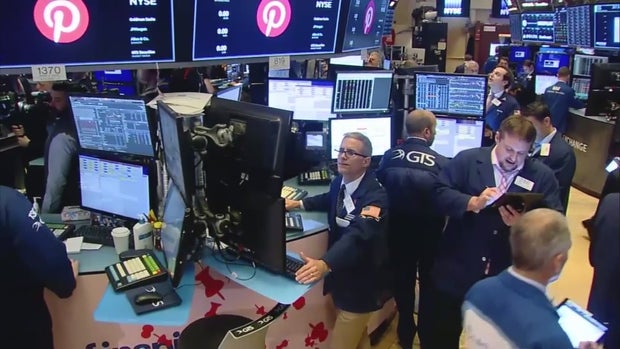
SMU Finance Professor Don Shelly says this week's volatile stock market wasn't the biggest shock.
"I also lived through the 1987 crash. The market was down 22% in one day," Shelly said to a class full of students.
But for many of his graduate students, they admit this past week was both a surprise and a learning tool.
"It's been scary for me to see just my little amount of money as a young person move up and down. But it's also good to learn and see that this is happening," said Lana Mavor, an MBA finance student.
Student Market Fears
Mavor said she is only in her early 20s, so seeing this time of volatility is more valuable than any textbook.
"We just had a guest speaker, and he told us, just do not sell during a period like this. I think that's a big learning curve for myself to panic at like this," Mavor said.
Real-World Finance Lessons
"You can't predict events like this. And it was also I've never seen this happen before," Shelly said. "A lot of the students got a little scared and worried. Is the market going to go down another 20, 30%? Am I going to lose all my money?"
Shelly said his students manage millions of real-life dollars as part of their degree. His goal is to help every student graduate with a grasp on the market.
"In past classes, I've had students have seen nothing but an up stock market every year," Shelly said. "That's not normal. We need to know that every couple of years we'll have 10% correction."
Financial Advice for Uncertainty
Mavor said a lesson she learned is that in a time of uncertainty, don't be afraid to ask questions.
"If you are unsure, uncertain, or scared, the biggest thing is to one inform yourself," she said.
Shelly's biggest takeaway to North Texans taking notes at home: Don't panic.
"I'll give you a Warren Buffett quote: betting against America long term has been a really bad bet, and I think we have to keep that in mind," he said. "If your goal is to have money in six months for a down payment for a house, you should be in treasury bills. If this is long-term retirement money over the long term, the stock market gives you about a 10% compounded annual return. That's been true for 100 years."