Dallas DEA fights familiar foes during FIFA World Cup in North Texas

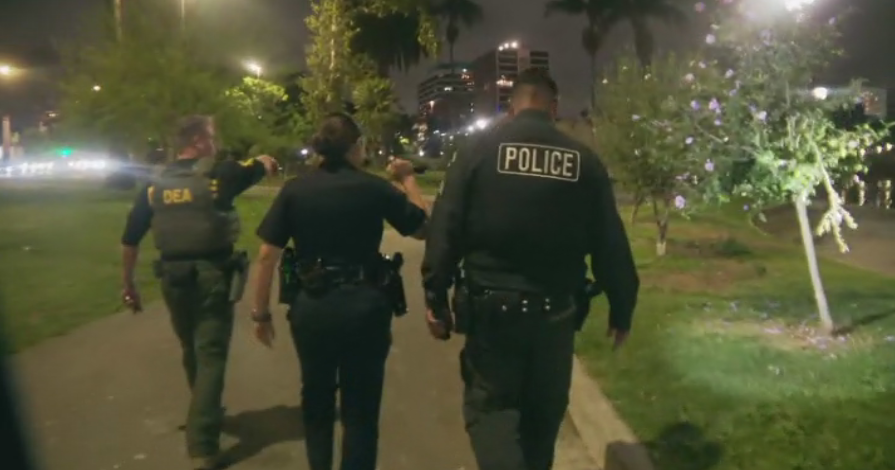
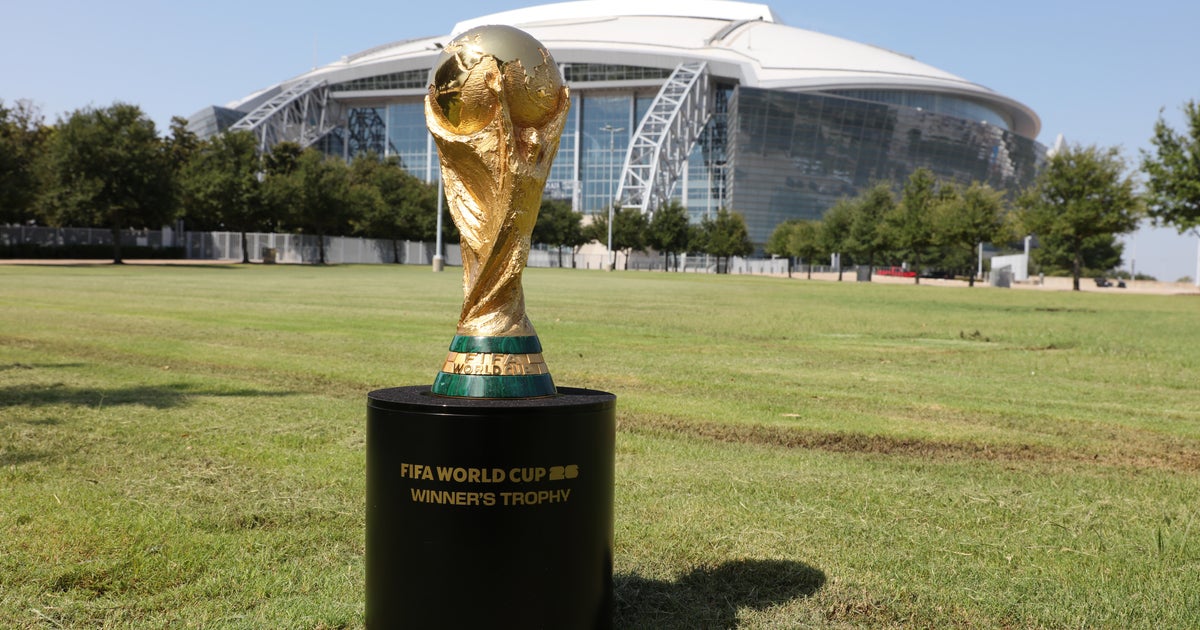
Federal drug agents are trying to stop the FIFA World Cup from becoming a cash cow for drug dealers who hope to profit from the millions of domestic and international visitors headed to North Texas.
"You're playing roulette. There's no way to tell the amount of fentanyl that is in a pill, and that could be the last choice you make," Joseph Tucker said.
Tucker, the Special Agent in Charge for Texas and Oklahoma, said visitors should leave with memories of Southern hospitality and brisket – not encounters with illicit drugs laced with a deadly dose of fentanyl.
"We don't want that all to be ruined by taking an illicit narcotic that could kill them," he said.
Operation Red Card crackdown
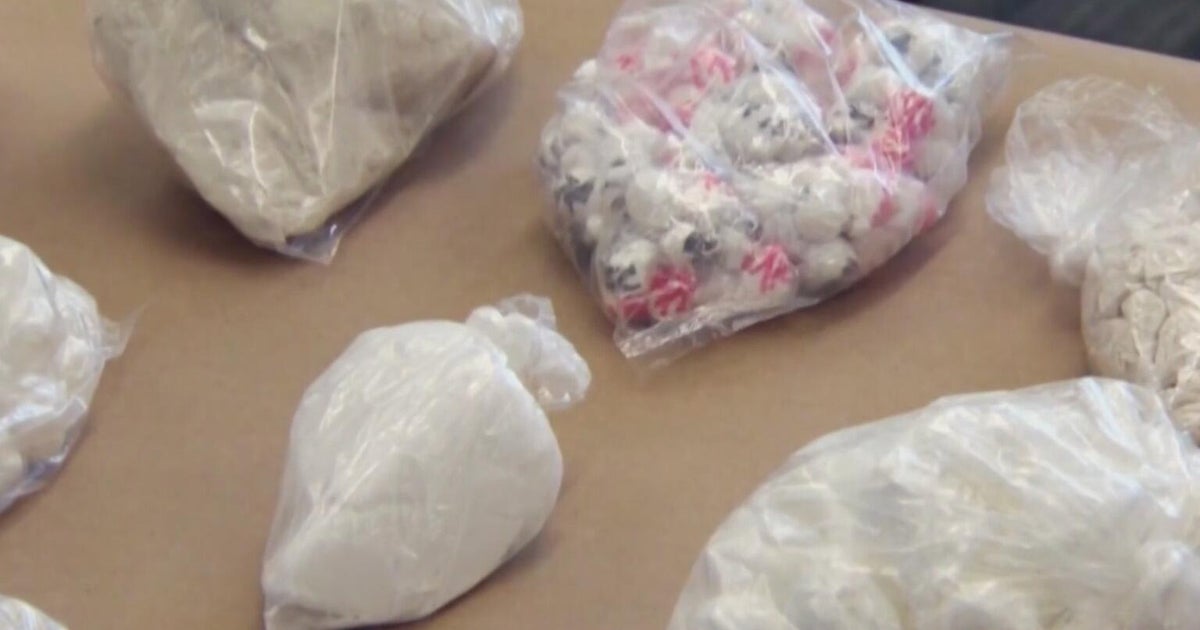
The DEA, FBI, U.S. Attorney's Office, and other agencies launched "Operation Red Card," targeting violent and drug‑related crimes. Tucker said the DEA arrested 197 people, confiscated 175 firearms, and seized 800 kilograms of illegal drugs. Their efforts are ongoing.
Dealers, he said, can get 500,000 pills per kilo and stand to make $1 million from it.
Awareness campaign expands
Since 2021, the DEA has promoted its "One pill can kill" campaign. In Dallas, billboards are posted near the FIFA Fan Festival in Fair Park, Dallas Stadium, Toyota Stadium, and the stadium in Mansfield. Public transit is also part of the effort, with 50 DART interior ads and four wrapped trains.
"We want everybody here locally to be aware that one pill truly can kill, and specifically for our foreign visitors because a lot of them don't have the fentanyl problem that we have here in the United States," Tucker said.
Potent synthetic opioids resurface
According to Tucker, most – if not all – street drugs are now laced with fentanyl. Methamphetamine, heroin, cocaine, and pills can all contain a pencil‑tip amount capable of causing death.
Dealers, often operating through cellphones and apps, are expected to target World Cup crowds.
"So, it's a synthetic opioid that is more potent than fentanyl," he said.
Another concern is nitazenes, a drug created in the 1950s but never approved by the FDA because of its addictive and deadly nature. Tucker said people use it to get high, and it is believed to be 25–50% as potent as fentanyl.