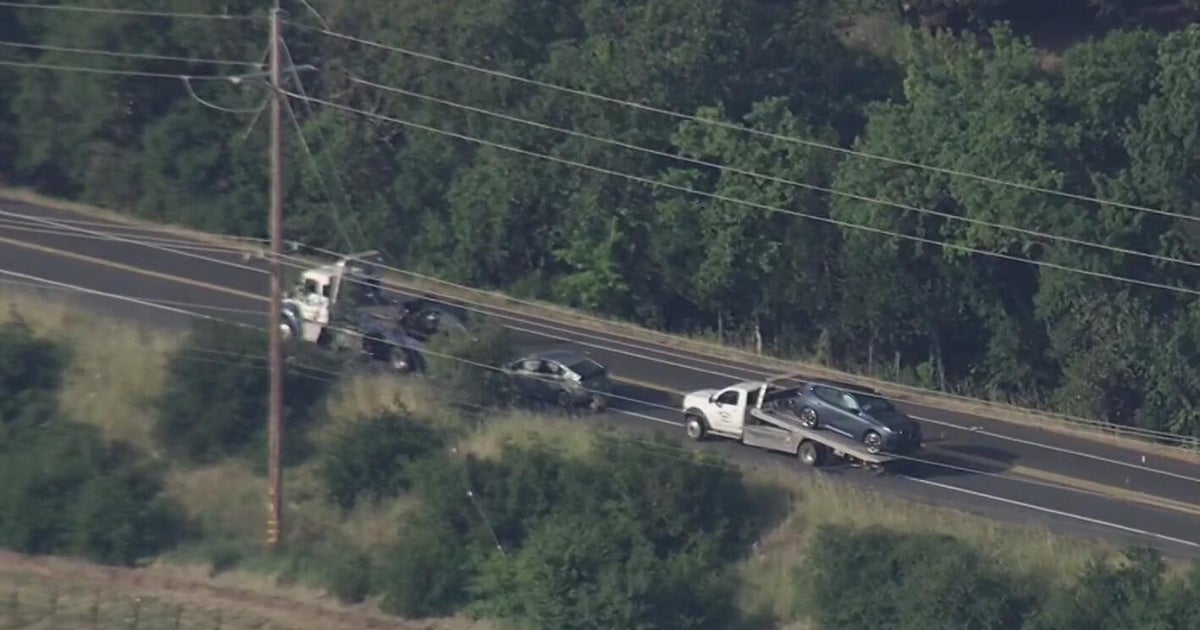
Dallas international investigator weighs in on the disappearance of Nancy Guthrie, mother of the "Today" show co-host
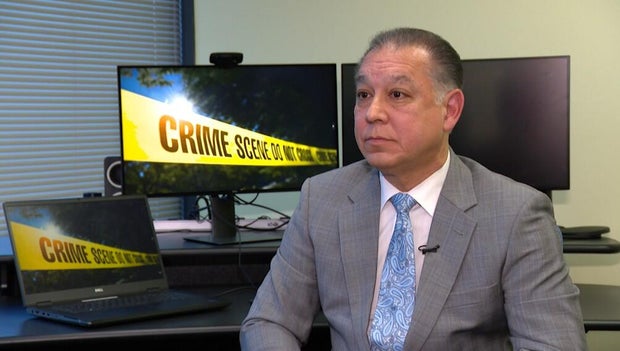
As the search for Nancy Guthrie – the mother of "Today" show co-anchor Savannah Guthrie – continues, CBS News Texas reporter Amelia Mugavero spoke with international private investigator Jay Armes III about what stands out in the case, how investigators may be approaching it, and what families can learn from it.
For nearly 40 years, Armes has specialized in abductions, missing persons cases, security operations, homicides, and transnational crime.
Q: When you first heard about Nancy Guthrie's disappearance, what stood out to you?
Armes: At first, I thought it might involve an elderly woman wandering or suffering a medical emergency. But once the details emerged — and once I learned who her daughter is — it became clear, this is not a typical case. Elderly people are frequently victimized, but they are rarely abducted.
Q: What made this case register as especially concerning?
Armes: The lack of legitimate communication. In most abductions, there's a clear ransom demand. That's often the best-case scenario because it creates motivation to keep the victim alive.
Q: The family did receive a ransom demand, but authorities say it was a scam. What does that suggest?
Armes: High-profile cases attract scammers. They exploit families who are desperate for answers. The arrest tied to that Bitcoin demand confirmed it wasn't legitimate.
Q: Where does that leave investigators and the family now?
Armes: What worries me is the absence of proof of life. When someone commits an abduction, they've planned it carefully. If there's no proof of life, there's nothing to negotiate — which suggests something may have happened that the perpetrator didn't anticipate.
Q: Investigators believe the suspect spent significant time inside the home. Why does that matter?
Armes: Spending 45 minutes inside a home is unheard of. Every second during a crime feels like a lifetime. That level of comfort tells me the person either knew the victim, knew the family, or had inside information — and was confident no one was coming.
Q: Does that raise the possibility this wasn't a straightforward kidnapping?
Armes: Yes. It raises questions about whether this was another crime that went wrong, followed by an attempt to remove the victim and make it appear as a disappearance. Those are all scenarios investigators have to examine.
Q: Some speculation links the case to Savannah Guthrie's public profile. Is that relevant?
Armes: You can't rule it out. There are three common motives for abduction: money, passion, and ideology. If ideology is involved, there's no incentive to keep the victim alive — the goal is to cause emotional harm.
Q: Are federal investigators running out of options?
Armes: No. The FBI is working multiple angles at once — surveillance footage, cell phone data, license-plate readers, and neighborhood canvassing. It's a difficult case, but it's an active investigation.
Q: How does time factor into the outcome?
Armes: Historically, if a victim isn't located within 72 hours, the chances of a safe recovery drop significantly. Each day after that makes the situation more grave, especially given her age and medical needs.
Q: Why does this case resonate so deeply with the public?
Armes: Because we all have parents or grandparents. It's a nightmare scenario that feels close to home.
Q: What can families take away from this case?
Armes: Limit personal information, especially over the phone. Be cautious of unsolicited calls. Have a safety plan and a family code word. And stay vigilant — not paranoid, but aware of your surroundings.