I‑30 shutdown snarls Dallas traffic all weekend
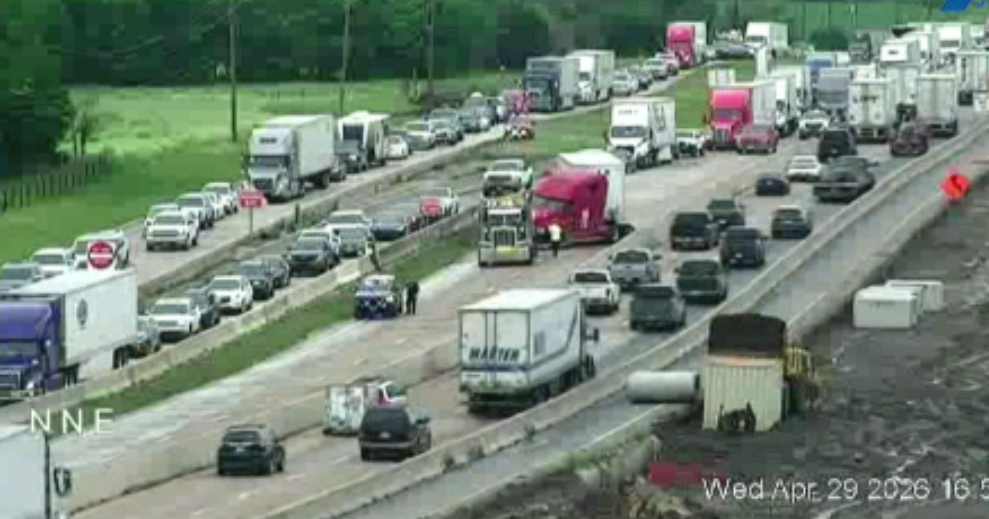
A section of Interstate 30 near downtown Dallas was shut down all weekend for construction, leading to significant traffic backups across the city on Saturday.
"It's like dead stop traffic. Especially like on 75 on the way here," said Jake Olea.
"It's 55 minutes from here to North Frisco. What does it usually take you? Oh, I'd say 40 minutes, 35," said Russell Cornwall.
Traffic on I‑30 was redirected north to Woodall Rodgers Freeway.
Drivers frustrated by reroutes
"It took me in a really weird reroute, which was actually, took a lot longer than usual," said Michelle Espinal‑Embler, owner of The RX Tea Shop.
TXDOT says it is redesigning the freeway and its access roads as part of an almost $900 million project expected to be completed in late 2030.
"Imagine a project four years at this critical juncture is just unfathomable. You know, kind of see something going on for that long, such a critical area. You've got to find a better way, a quicker way to kind of get that project closed up," said Micheal Sanders, owner of Pruuf Gourmet Pudding.
Bridge work adds to disruptions
In addition to the work on I‑30, the project includes demolition and reconstruction of several streets and bridges.
One of those is the Cesar Chavez Boulevard bridge, which may affect the Dallas Farmers Market and nearby residents.
"I think it affected us here at the market in terms of foot traffic. We got plenty of regulars and downtown locals but a lot less new faces than usual," said Espinal‑Embler.
Long-term closures ahead
The Akard, Cadiz and Cesar Chavez bridge closures are all long-term. The Cadiz Street bridge is expected to reopen first, but not until May 2027.
TXDOT says I‑30 will reopen Monday at 5 a.m., but drivers should expect more weekend closures in the months ahead.
"I think that because all of the city's attractions, tourism attractions are right here in downtown, it's kind of silly to shut us off on the weekend, because then it's just that we're losing, not just revenue here at the market, but the city as a whole," Espinal‑Embler said.