How an officer's life-saving rescue sparked an American Heart Association mission in Fort Worth

In May 2024, Fort Worth Police Officer Terrence Parker was loading his vehicle outside the Bob Bolen Safety Complex, preparing for a recruiting trip to Austin. He felt an "icy tingling" in his throat, but he brushed it off as overexertion.
Minutes later, Parker collapsed in a restroom, losing consciousness. He was clinically dead for 15 minutes.
His survival didn't just happen; it was engineered by the quick thinking of his colleagues and the very tools the American Heart Association fights to make accessible to everyone.
A Life Saved by the "Chain of Survival"
When Officer Rocsana Ferren and her team found Parker, they didn't hesitate. They immediately began CPR and deployed an Automated External Defibrillator (AED). Doctors say those efforts were the only reason Parker is alive today.
"I'm here today because of them," Parker said. "And the Good Lord decided he didn't want me just yet."
That brush with death became the catalyst for a major local health initiative. When Officer Ferren later met with the Tarrant County Nation of Lifesavers Committee, an initiative powered by the American Heart Association, she was asked what the department needed to save more lives.
Her answer was immediate: AEDs in patrol cars.
The American Heart Association Steps In
The American Heart Association's Nation of Lifesavers is a movement dedicated to turning bystanders into lifesavers. In Fort Worth, the AHA identified a critical gap: data showed that AED use was relatively low in the community, despite police often being the very first on the scene of a cardiac emergency.
"Once the committee and the Heart Association identified this as a goal, a number of very generous funders stepped up," said Matt Zavadasky, a representative for the committee.
The AHA's goal is to ensure that when a medical emergency happens, the nearest person—whether a civilian or an officer—has the tools and training to act. By equipping police vehicles, the AHA is essentially putting a "heart-starting" kit on every corner of the city.
150 New Chances at Life
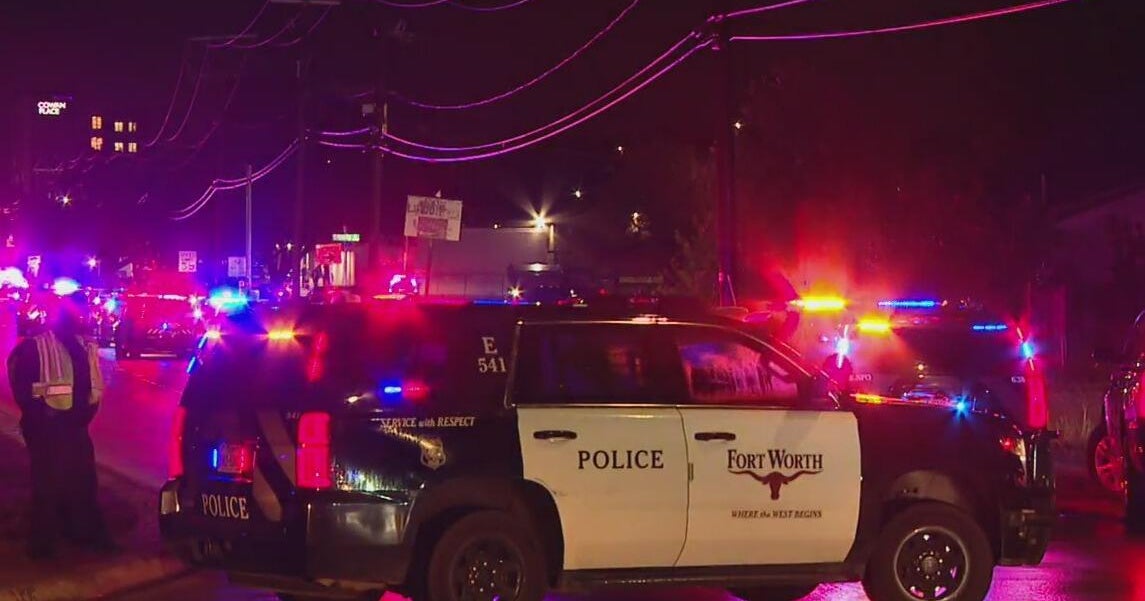
The project is currently in the planning phase, with the goal of placing 150 AEDs in the most frequently used Fort Worth squad cars. The hope is that this partnership between the Fort Worth PD and the American Heart Association will serve as a blueprint for other cities.
"Our hope is that through good public education... other communities will say, 'Hey! Do we have AEDs in our patrol cars?'" Zavadsky said.
For Officer Parker, the AHA's mission isn't just a corporate goal; it's the reason he can still put on his uniform.
"If an AED was not readily available, I would not be here right now," Parker said. "The purpose of having those inside the vehicles... is crucial."