Experts warn World Cup airspace security faces unprecedented drone threat
Security experts say providing protection for next year's World Cup will be the biggest challenge for a sporting event in U.S. history.
With the recent development and use of drones, much of that security will be focused on the air above the venues.
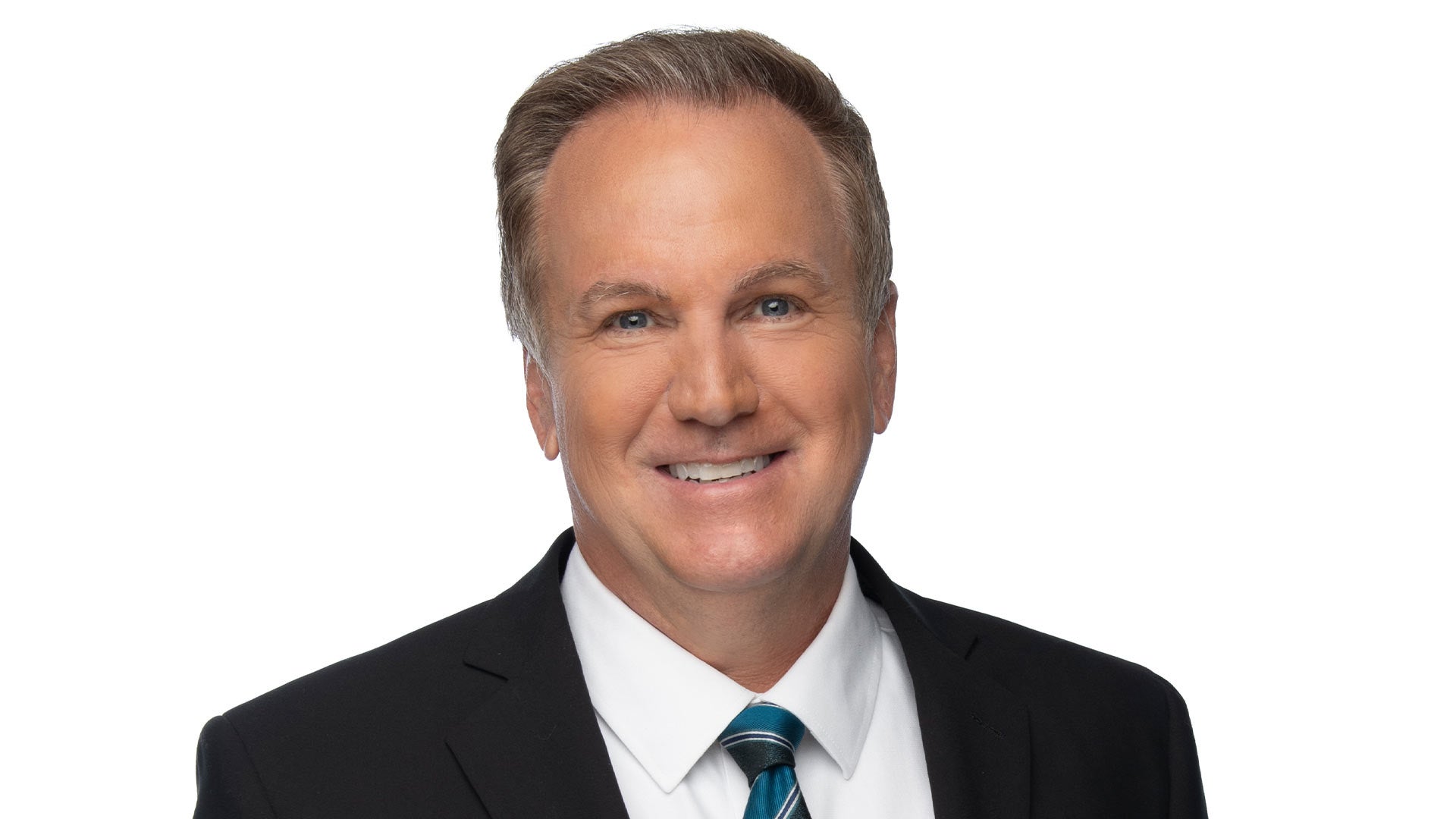
"We're definitely seeing the threat growing on a regular basis," said Travis Scott with Dedrone by Axon.
Scott has the responsibility and challenge of protecting the airspace above all of the World Cup sites, including North Texas.
"There's no doubt that this is the largest multi-agency coordination for airspace security in U.S. history," Scott said.
Security experts say it's no secret that anyone with a drone and bad intentions could wreak havoc on next year's event.
"From the most terroristic side of things, people strapping explosives or some sort of chemical device and flying it into a crowded of people," said Scott.
Dedrone by Axon has proprietary technology to help local law enforcement detect and disable remotely controlled aircraft. It's been used to monitor for drones at previous World Cups and protect Ukraine from Russian attacks.
"I would say without a doubt, they are the ones that public safety agencies have been least prepared to deal with," Scott said.
Scoot said that Dedrone's mobile radar stations rise 50 feet into the air, can detect approximately 500 unique models of drones and about 100 different manufacturers.
Suspicious drones can be disabled through jamming their radio frequencies or hacking into their controllers.
Up until a few months ago, public safety agencies only had the legal ability to detect, track and identify drones. Now they are allowed, if necessary, to actually take them down
Scott said rogue drones won't be shot down because of the safety risk to those on the ground.
"If there was not a system like Dedrone in place, the threat of a potential drone would be very worrisome," he said.
While those in charge of airspace security are confident they can keep the skies safe, they warn that it will take this state-of-the-art technology and diligence to be successful.
"I think the threat is very real," Scott said.