Concerns Over Air Traffic Controller Shortage
Follow CBSDFW.COM: Facebook | Twitter
WASHINGTON (CBSDFW.COM/AP) - A chronic shortage of controllers has reached a crisis that will lead to widespread flight delays if left unchecked, officials for the union that represents air traffic controllers said on Tuesday.
The Federal Aviation Administration has failed to meet its hiring goals for air controllers for five consecutive years, leaving the number of air controllers at its lowest level in 27 years, at a time when air traffic is increasing, National Air Traffic Controllers Association officials said at a news conference.
The number of "certified professional controllers" -- who are no longer in training and can direct air traffic without assistance from a more experienced controller -- has declined 10 percent from a recent peak of 11,753 in September 2012, as of August 22 of this year, the union said.
Meanwhile, of the 10,859 certified controllers, 30 percent are currently eligible to retire, the union said.
Trish Gilbert, the union's executive vice president, likened the situation to April 2013, when government-wide spending cuts imposed by Congress forced the furlough of 10 percent of the air controller workforce. During the seven days that the furlough was in place, 12,760 flights were delayed -- about three times the normal number. The disruptions were greatest at some of the nation's busiest airports. Amid complaints from disgruntled travelers, Congress passed an exception to the budget cuts for air controllers.
Gilbert denied that the union simply wants to increase its numbers. "We see that they are in dire straits and therefore we must speak up," she said. "We have far too few controllers in our towers and radars rooms."
The FAA said in a statement that they share the "frustration with air traffic controller staffing levels" with the union. "The past government shutdown and budget cuts closed the FAA's controller training academy for nine months, delaying initial training for several classes of new air traffic controllers. As a result, the FAA has been working hard to hire at an increased rate to meet its air traffic controller staffing targets," the statement said.
Gilbert blamed the situation on "bureaucratic inertia." She added that FAA officials have long been aware of the problem and have been working to resolve it, but have simply been unable to overcome red tape and a lack of communication, among other issues.
Part of the blame belongs to Congress since the FAA has also been hindered by uncertainty over how much money the agency will be able to spend, making planning difficult, Gilbert explained. In 2013, the agency was able to hire almost no controllers because of budgetary uncertainty.
The shortage has meant that air controllers at some of the nation's busiest air traffic facilities have been working six-day work weeks for years, union officials said. They said safety isn't at risk, but they also acknowledged that controllers' work schedules are causing widespread chronic fatigue.
NASA warned the FAA four years ago that chronic air traffic controller fatigue was undermining safety, and urged the agency to eliminate six-day work weeks as soon as possible. The FAA had asked NASA to study controller scheduling and its potential impact on fatigue.
Jim Marinitti, the union's southern regional vice president, said that controllers at the Atlanta approach control facility, one of the nation's busiest air traffic facilities, have been routinely working mandatory six-day weeks since 2006.
The continual six-day work weeks "definitely raise the safety risk," said John Goglia, a former National Transportation Safety Board member and aviation expert. There are numerous of studies that show "chronic fatigue just sneaks up on you," he said. "You think you're thinking right, but you're thinking in slow motion."
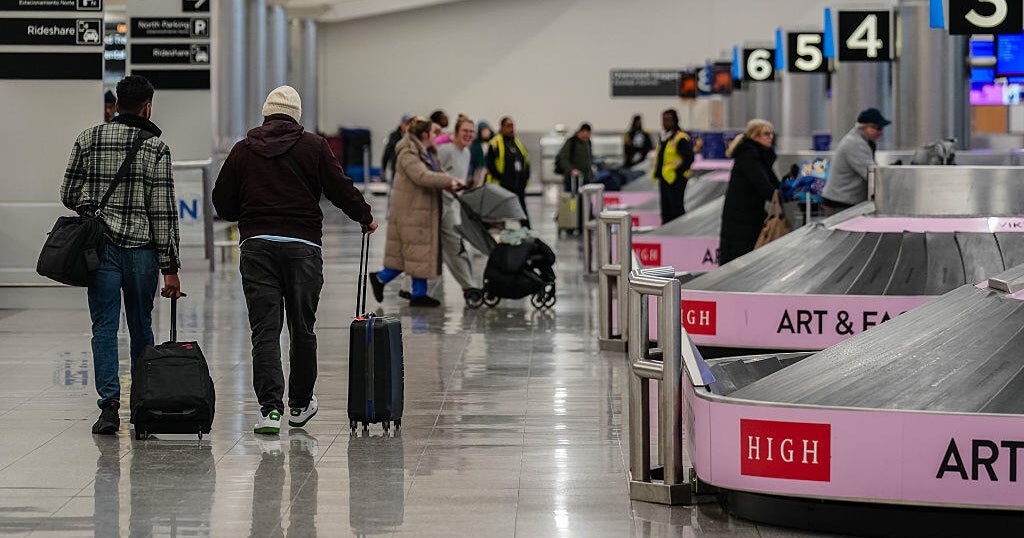
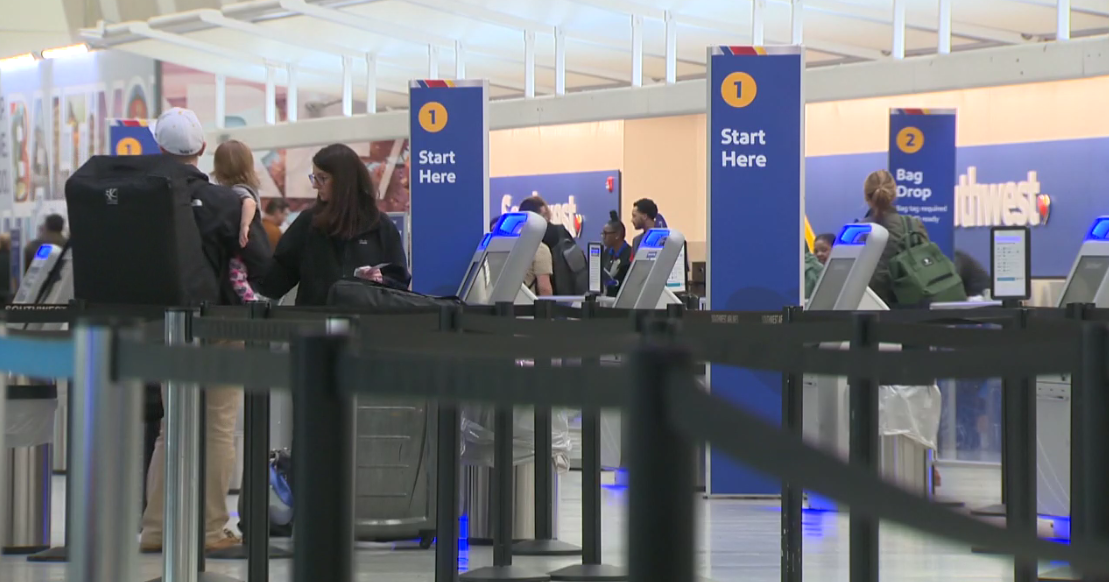
Travelers at DFW International Airport on Wednesday morning were worried.
"That is a scary thought, to be honest," said passenger Claudia Tinoco, "because if your out in the air and you know, especially if they are working long hours, you want to make sure that they are very alert when they are making those tough decisions."
"Of course it concerns me," added traveler Tracey Burns. "I feel relatively safe in our country. You don't hear a lot of mishaps, I mean, considering driving. On our way here, we passed three wrecks in the car."
The complaints were unusual because labor relations at the FAA have improved markedly during the Obama administration, and the association rarely airs complaints publicly.
As of August, the FAA had only hired 1,178 of the 1,772 air traffic controllers that it planned to hire in the 2015 federal budget year, which ended on September 30, Gilbert said.
The union provided some examples of the problems at five busy approach control facilities:
— The DFW facility has an all-time low of 52 fully certified controllers, a drop of 38 percent since 2006. Controllers have been working mandatory six-day work weeks since January.
— The Houston facility has 73 fully certified controllers, 22 percent short.
— The Atlanta facility has 74 fully certified controllers, 27 percent short. Eighteen are eligible for retirement.
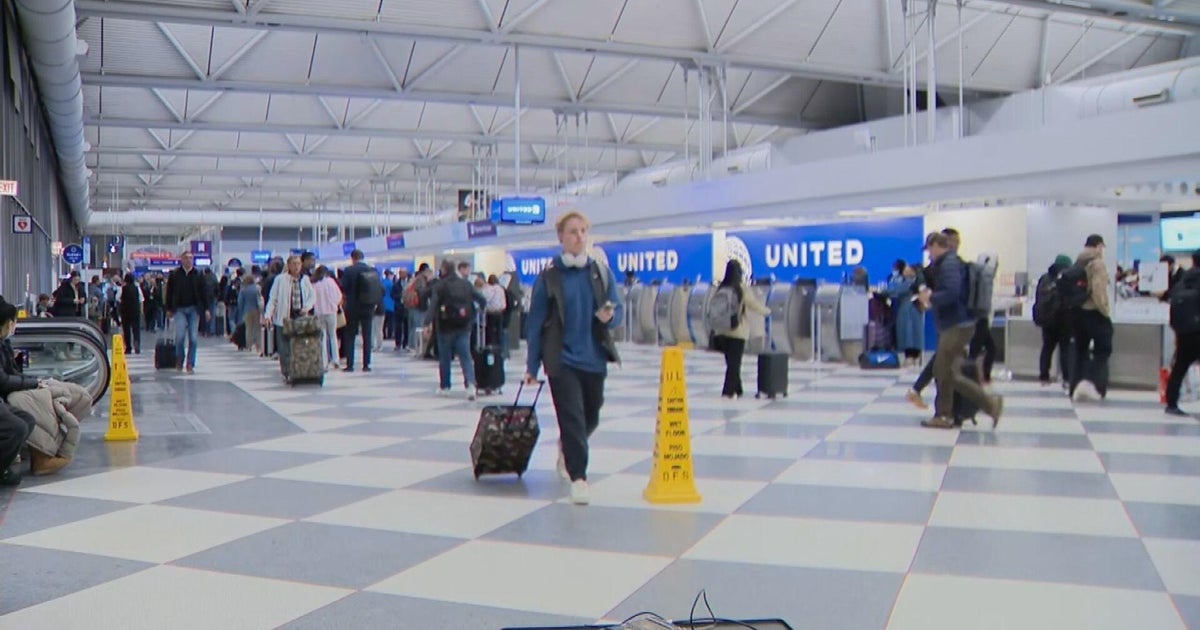
— The Chicago facility has 70 fully certified controllers, 30 percent short. Twenty-seven are eligible for retirement.
— The New York facility has a 25 year-low of 147 fully certified controllers, 35 percent short. Many are working six-day weeks.
(©2015 CBS Local Media, a division of CBS Radio Inc. All Rights Reserved. This material may not be published, broadcast, rewritten, or redistributed. The Associated Press contributed to this report.)