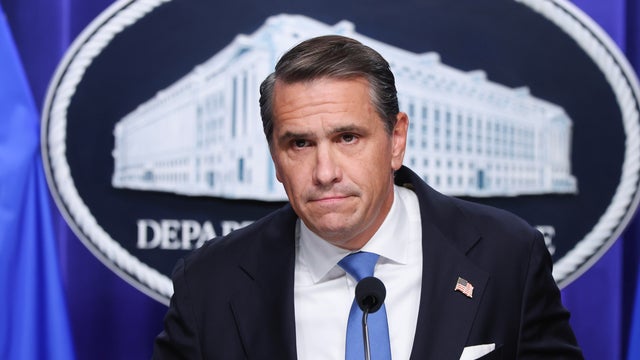
DOJ files misconduct complaint against federal judges in Minnesota
Attorney General Todd Blanche announced the Justice Department had filed a judicial misconduct complaint against federal judges in Minnesota after they spoke with the New York Times.
Watch CBS News
Attorney General Todd Blanche announced the Justice Department had filed a judicial misconduct complaint against federal judges in Minnesota after they spoke with the New York Times.
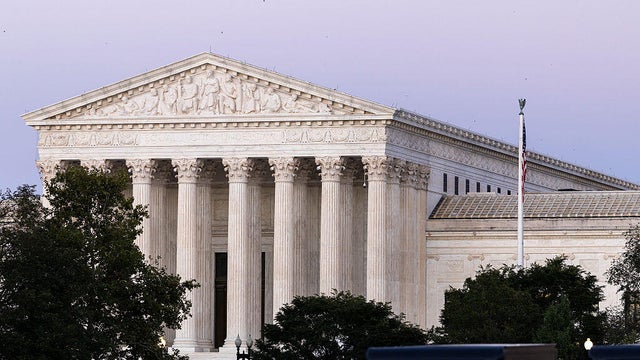
The Supreme Court said in an unsigned order it will hear arguments in the challenge to the Trump administration's third-country-removal policy in December.
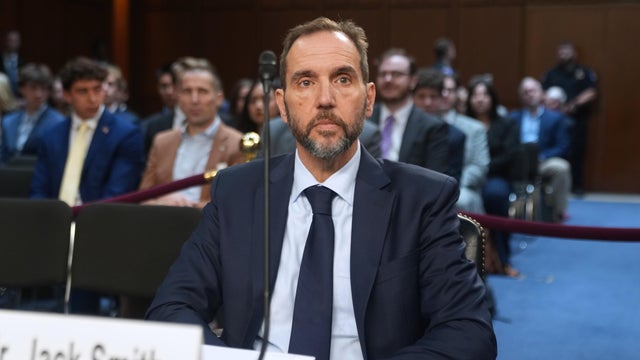
Former special counsel Jack Smith defended his handling of his investigations into President Trump during a Senate hearing that grew contentious at several points.
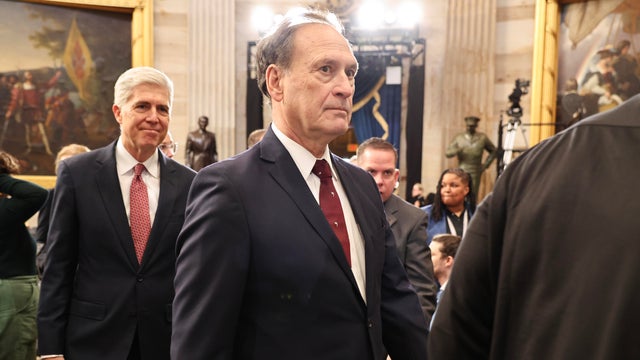
The Supreme Court will soon hear arguments in the major climate change lawsuit between two energy companies and the city and county of Boulder, Colorado.
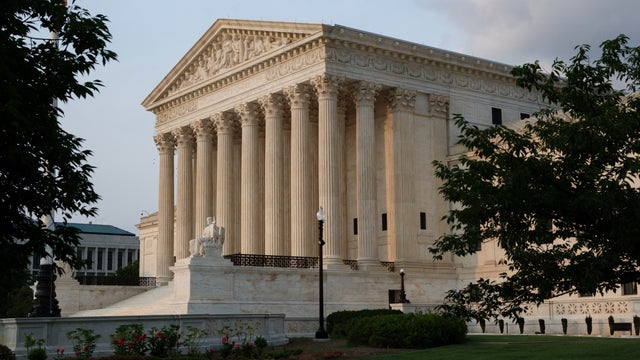
The Trump administration asked the Supreme Court to revive for now a policy cutting off medical interventions and social accommodations for transgender inmates.
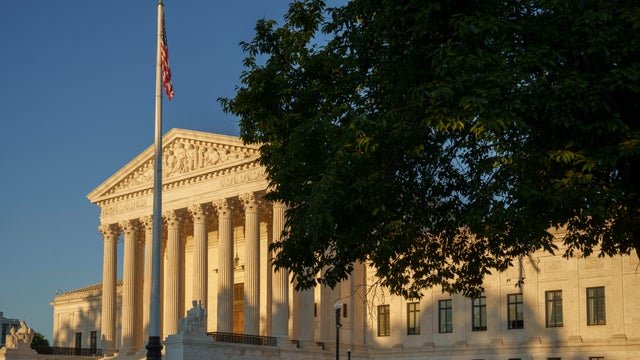
The Supreme Court said in an unsigned decision that ordering Missouri to restore its 2025 map "would usher in electoral chaos."
In a 6-3 decision, the Supreme Court sided with the Trump administration in its push to use a controversial database to review state voter rolls for potential noncitizens.

The Trump administration urged the Supreme Court to revive its policy of deporting some migrants to places other than their country of birth.
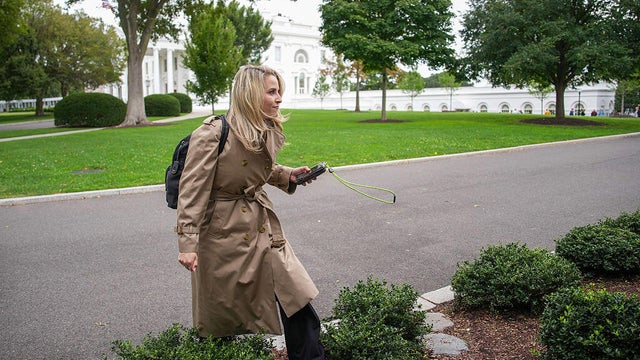
Reporters whose White House access was revoked were allowed to enter the complex again, hours after a judge ordered the Trump administration to restore their press credentials.
A federal judge signaled he is skeptical of President Trump's ban on CNN, MS NOW and Politico from White House grounds.
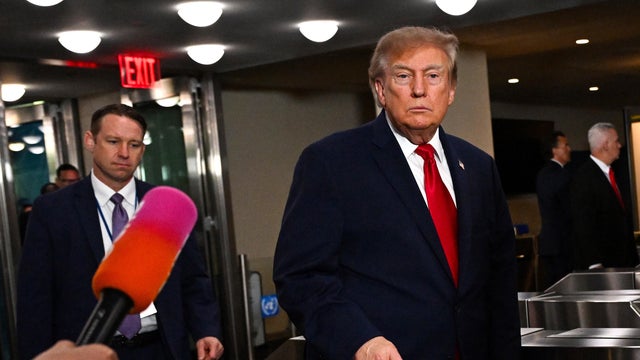
The Justice Department claimed that reporting from CNN, MS NOW and Politico raises national security concerns and accused their journalists of failing to act with "professionalism and decorum."
Justice Elena Kagan declined a request from a surrogate to intervene in a custody dispute with a California couple.
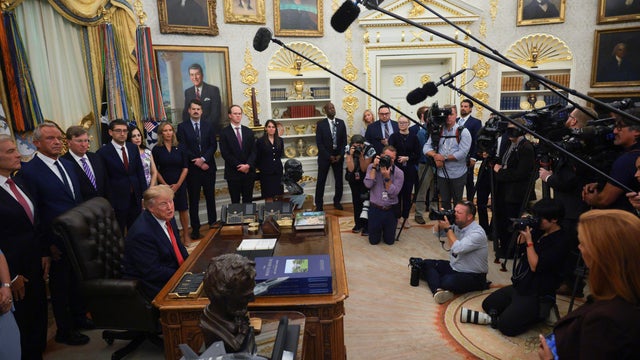
President Trump's move to ban CNN, MS NOW and Politico from the White House has highlighted the role of the press pool.
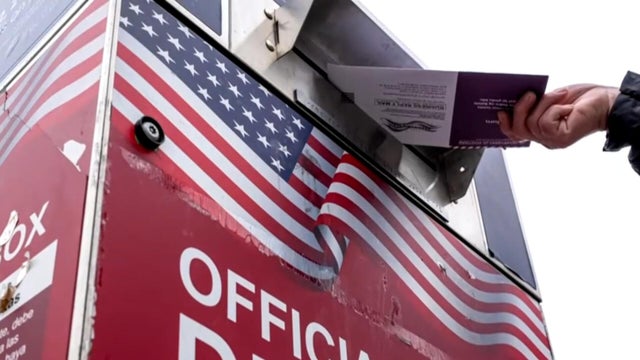
The Supreme Court left intact a ruling that blocked the U.S. Postal Service from enforcing new regulations for mail voting, rejecting the Trump administration's effort to move forward with the rules in the midterms.
A federal judge extended her block on the U.S. Postal Service's new requirements for mail voting, as states prepare to begin sending mail ballots to voters for the November midterm elections.