
Judge blocks Trump executive order on mail-in voting
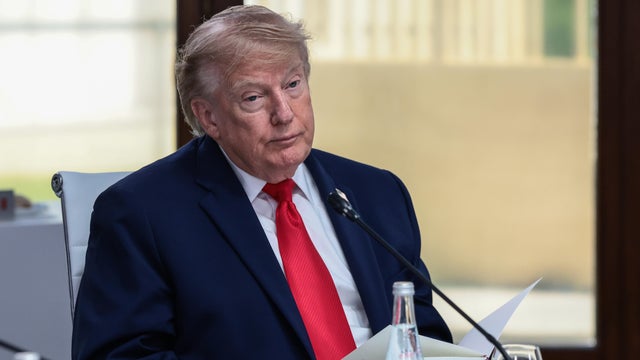
President Trump signed an executive order in March requiring the creation of a list of U.S. citizens eligible to vote in each state and imposing stricter mail-in ballot rules.
Watch CBS News

President Trump signed an executive order in March requiring the creation of a list of U.S. citizens eligible to vote in each state and imposing stricter mail-in ballot rules.

U.S. District Judge P. Casey Pitts in the Northern District of California ruled in a 71-page opinion Tuesday that multiple Trump administration policies were arbitrary and violated the Administrative Procedure Act.
U.S. District Judge Sparkle Sooknanan said the administration violated the law when it created a centralized database of Americans' personal records.

A U.S. District Judge ruled the Trump administration's use of grand jury subpoenas against Minnesota state and local officials was retaliatory and unlawful, finding no legitimate investigatory justification for them.

The FBI said it disrupted an attempt to attack Sunday's UFC America 250 event at the White House, with court records detailing an alleged plot to use small drones carrying explosives.

A divided federal appeals court ruled that the Trump administration's policy banning transgender individuals from serving in the military is likely unconstitutional.

A judge signaled she may reopen a case between President Trump and his own government that led the DOJ to create a $1.776 billion "anti-weaponization fund," ordering the president's lawyers to respond to allegations of "deception" and "fraud."

A judge blocked the Kennedy Center from closing its doors during renovations, and ruled that its board acted unlawfully by adding President Trump's name to the building. The president reacted by saying he wants Congress to take it over.
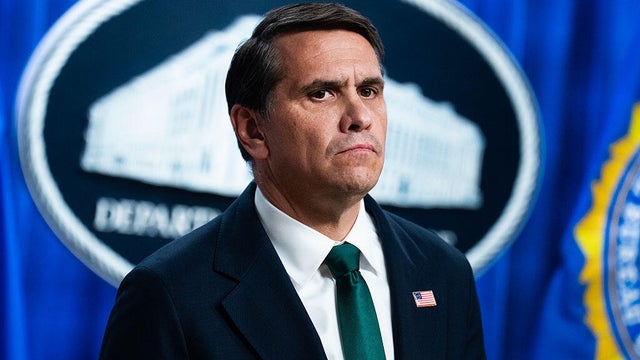
The Justice Department announced the $1.7 billion fund as part of a settlement of a civil lawsuit President Trump brought against the IRS.

Former Attorney General Pam Bondi is undergoing treatment for thyroid cancer, she told CBS News.

Former President Joe Biden has sued the Justice Department seeking to block the release of files related to interviews he conducted with a biographer that later became a central part of a special counsel investigation into his handling of classified documents.

"I think it's just disrespectful to those that I served with who didn't come back," a veteran suing to stop construction of the arch told CBS News.
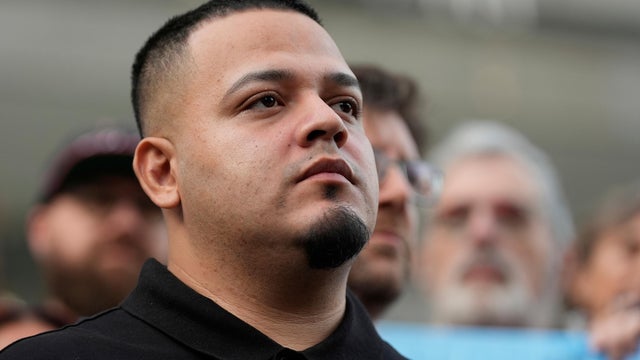
A federal district judge granted Kilmar Abrego Garcia's motion to dismiss two criminal charges on the grounds his prosecution was vindictive and selective.

Michael Cohen, a Trump lawyer-turned-critic, is planning to apply for money from the Justice Department's new "anti-weaponization fund," he told CBS News.

The new fund to provide payouts to those who say the legal system was "weaponized" against them raised immediate questions about its legality, implementation and enforcement.