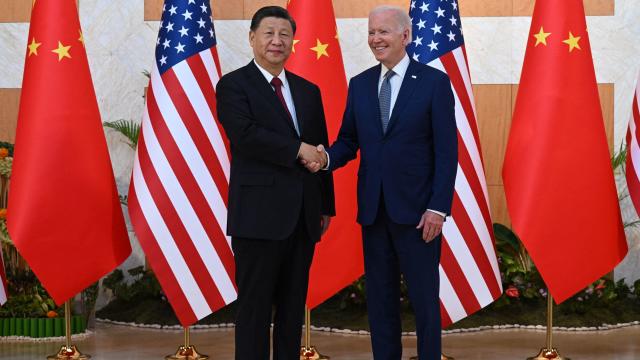
Biden and Xi say they'll "manage our differences" as they meet in Bali
Biden said the leaders accept a joint responsibility to "prevent competition from becoming anything ever near conflict and to find ways to work together on urgent global issues."
Watch CBS News
Biden said the leaders accept a joint responsibility to "prevent competition from becoming anything ever near conflict and to find ways to work together on urgent global issues."
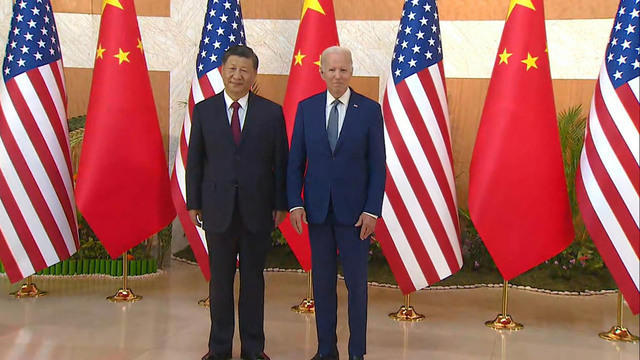
President Biden and Chinese President Xi Jinping met on the sidelines of the G20 summit in Bali, Indonesia, on Monday. Biden has spoken with Xi five times since taking office, but this was the first time they met face-to-face after two years of accusations, warnings and threats.
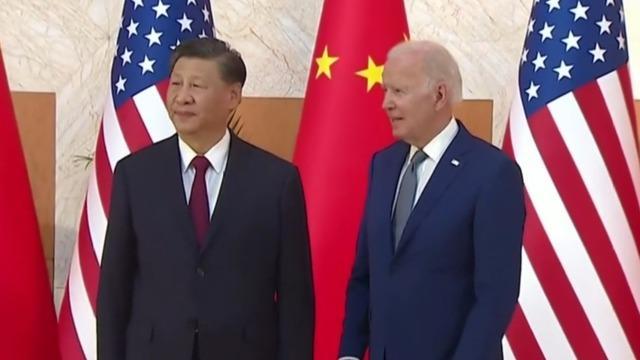
CBS News foreign policy and national security contributor H.R. McMaster joins anchors Anne-Marie Green and Vladimir Duthiers to discuss todays bilateral meeting between President Biden and Chinese President Xi Jinping, the upcoming G20 summit and the issues straining U.S.-China relations.
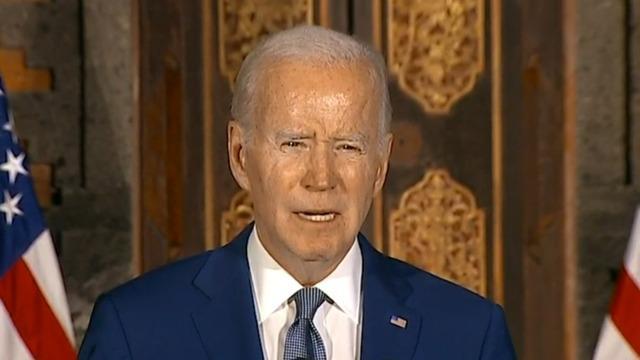
President Biden took questions on Monday after meeting with Chinese President Xi Jinping for more than three hours on the sidelines of the G20 meeting in Bali, Indonesia. He said he told the Chinese leader that the U.S. does not seek conflict with China and that he hopes to "manage this competition responsibly." Watch his remarks.
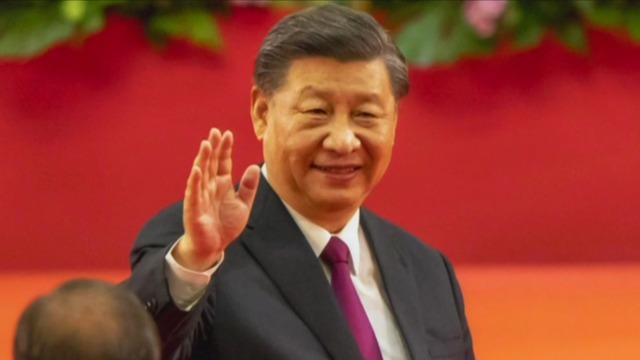
President Biden is set to meet with Chinese President Xi Jinping on Monday at the G20 summit in Indonesia. It's a rare face-to-face meeting for the two leaders. Nancy Cordes reports.
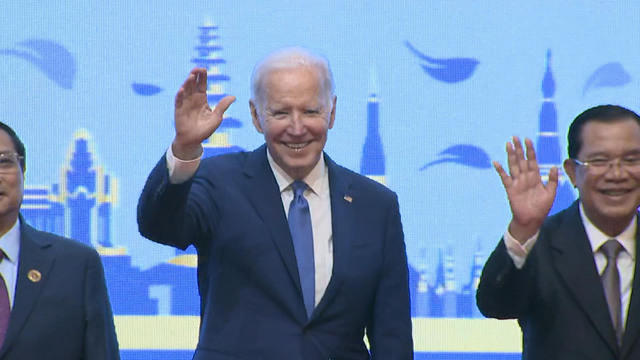
President Joe Biden arrived in Cambodia's capital on Friday for the Association of Southeast Asian Nations Summit. He's expected to meet with other world leaders, including a highly anticipated meeting with Chinese President Xi Jinping. CBS News correspondent Elizabeth Palmer reports.
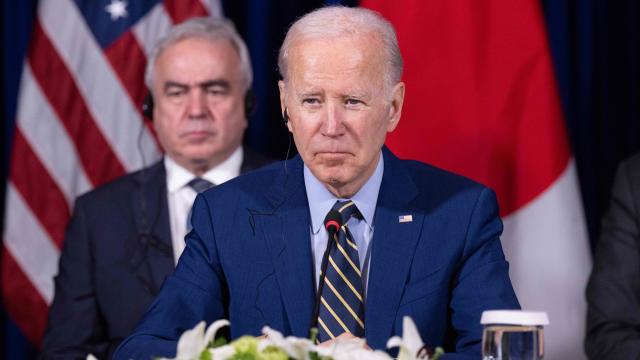
President Biden and the leaders of Japan and South Korea are vowing a unified and coordinated response to North Korea's threatening nuclear and ballistic missile programs.
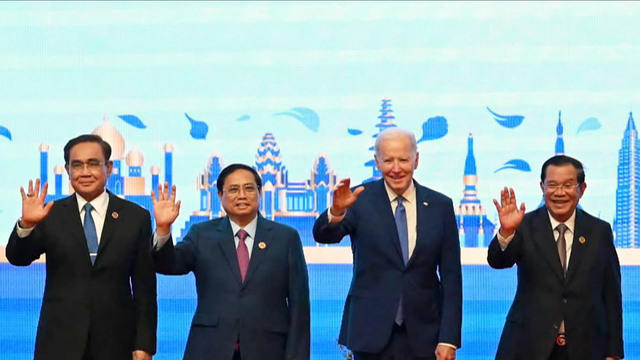
President Biden attended the ASEAN conference in Cambodia, emphasizing the need for a stronger U.S. alliance amid China's growing influence in the Indo-Pacific region. Elizabeth Palmer has the details.
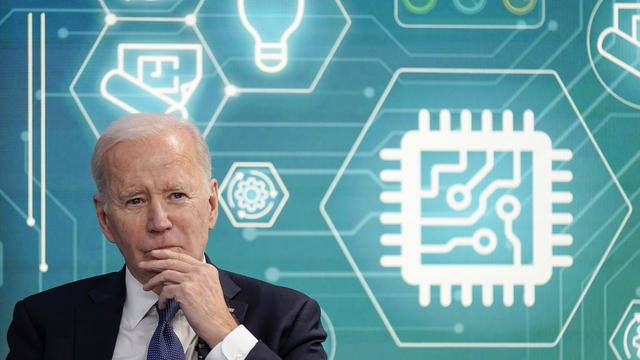
The U.S. and China have each identified the development and production of computer chips as vital for economic growth and their own security interests.

Even as cases rise, deaths are blamed on lockdowns and iPhone production takes a hit, China insists Xi Jinping's signature policy is "completely correct."
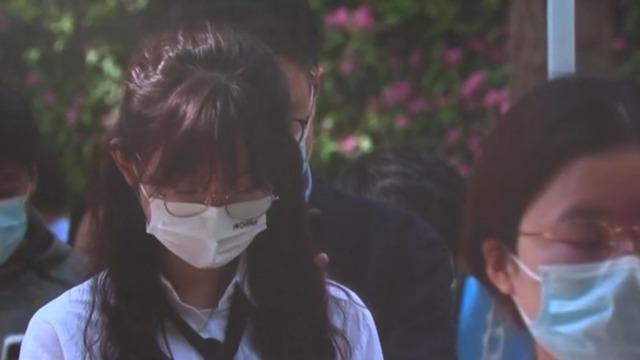
China's "zero-COVID" policy has triggered widespread lockdowns, fear, unrest, and major economic issues. Businesses across the country are facing significant setbacks and criticism over their responses. Lawrence Gostin is the director of the World Health Organization's collaborating center on national and global health law. He joins CBS News to discuss the growing issues.
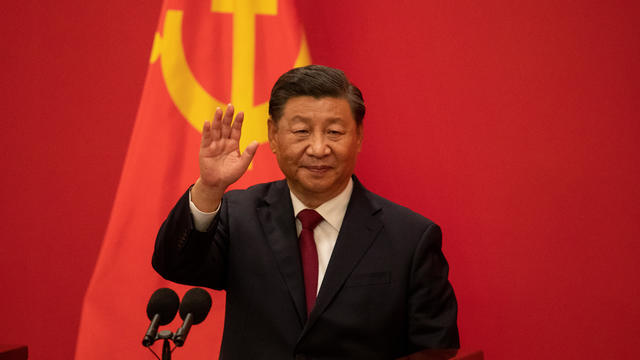
Morell and former CIA China analyst and president of the China Strategies Group Chris Johnson discuss Xi's move to consolidate his power this week and what it means for U.S.-China relations.
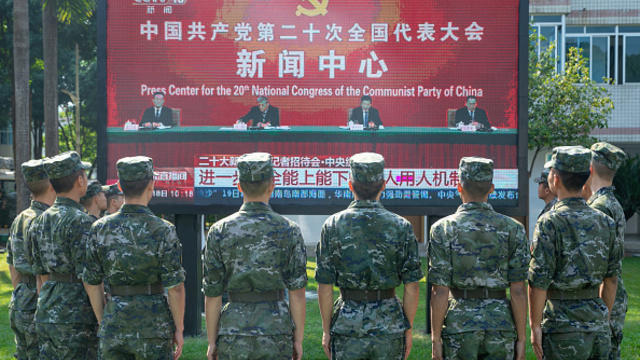
U.S. Secretary of State Antony Blinken warned Monday that Beijing is speeding up its plans to reunite with Taiwan, by force if necessary. Chinese President Xi Jinping also said Sunday that the "wheels of history are rolling on towards China's reunification." He added, "We reserve the option of taking all measures necessary." John Dickerson spoke with Amy Celico, a principal at the Albright Stonebridge Group who specializes in Chinese affairs.
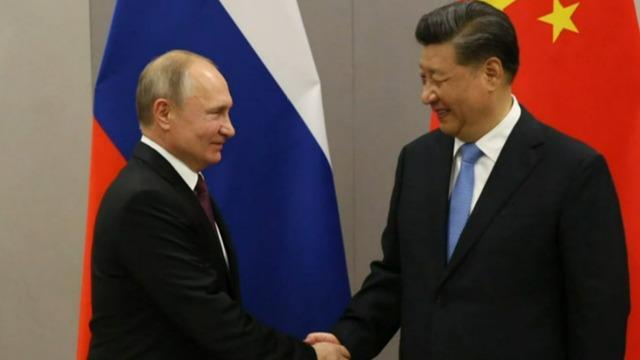
Chinese President Xi Jinping and Russian President Vladimir Putin are expected to meet this week in Uzbekistan. China has recently signaled stronger support for Russia in its war in Ukraine, but the two countries haven't always been aligned. Phelim Kine, China correspondent for Politico, joined CBS News' John Dickerson to discuss.

Former Chinese President Hu Jintao on Saturday was unexpectedly led out of the closing ceremony of China's Communist Party congress.
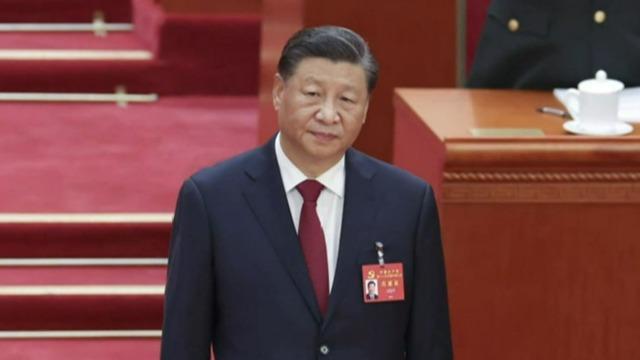
China's ruling Communist Party is holding its national congress, where President Xi Jinping is expected to secure another term in power. CBS News' Tony Dokoupil and Lilia Luciano speak with Christopher Johnson, president and CEO of China Strategies Group, on how Xi has shaped China and what he's planning for the future.
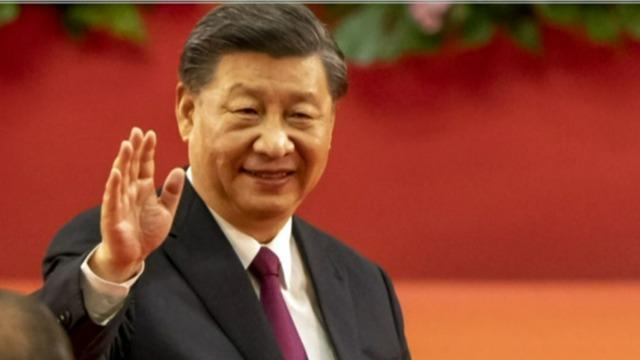
Chinese leader Xi Jinping has been granted an unprecedented third term. CBS News senior foreign correspondent Elizabeth Palmer reports. Then Chris Buckley, China correspondent for the New York Times, joins "CBS News Mornings" to discuss the significance of this move and the latest on China's economy.
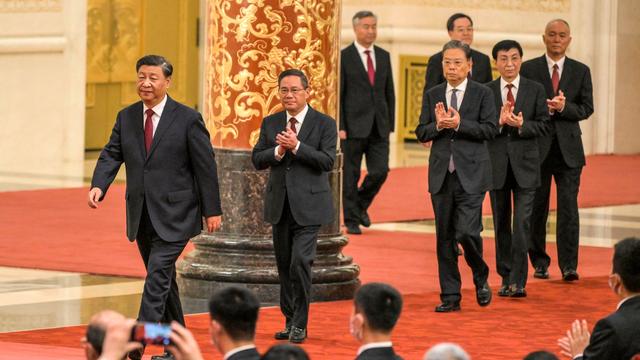
Most of the members are new to the Communist Party's powerful Politburo Standing Committee, and all of them are seen as loyalists to the president.

The Chinese National Party Congress comes to an end as Xi Jinping solidifies a third five-year term as the head of the Communist Party. Elizabeth Palmer has the latest on why there was an unexpected ending to the normally highly choreographed event.
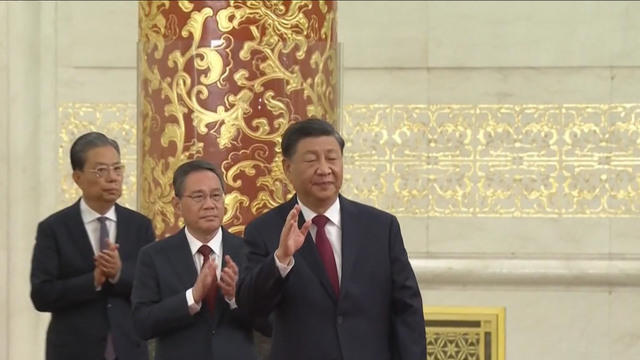
China's Communist party confirmed Xi Jinping for an unprecedented third term, meaning he now has more power than any other Chinese leader since Mao Zedong. Elizabeth Palmer reports.

President Xi Jinping, China's most powerful leader in decades, has increased his dominance after he was named to another term as head of the ruling Communist Party.
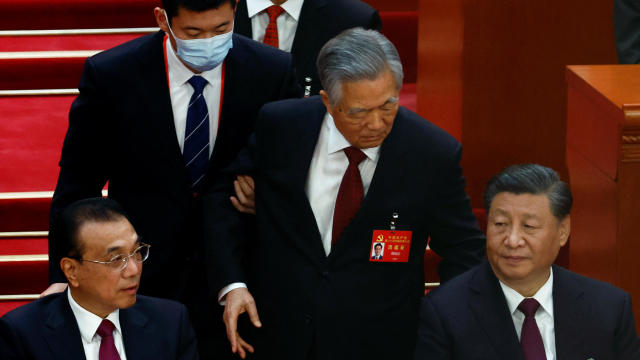
The frail-looking 79-year-old seemed reluctant to leave the front row of proceedings at Beijing's Great Hall of the People, where he was sitting next to President Xi Jinping.

There's little room for free speech when "you could be arrested and could be put in jail, maybe for a year or two years, with no trial."
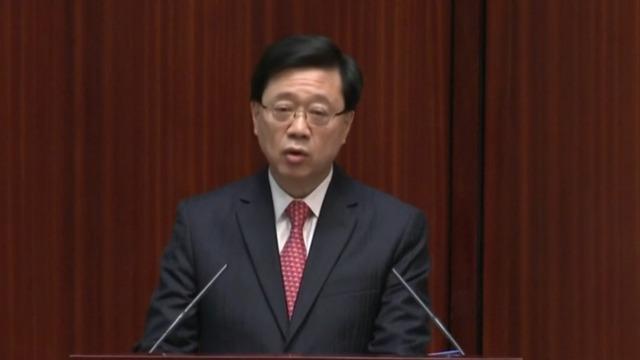
Hong Kong's Chief Executive John Lee unveiled a $3.8 billion fund and new ultra-liberal visa rules to attract global talent to the city. CBS News senior foreign correspondent Elizabeth Palmer joined Vladimir Duthiers and Anne-Marie Green to discuss Lee's first policy address and the rising tensions between North and South Korea.
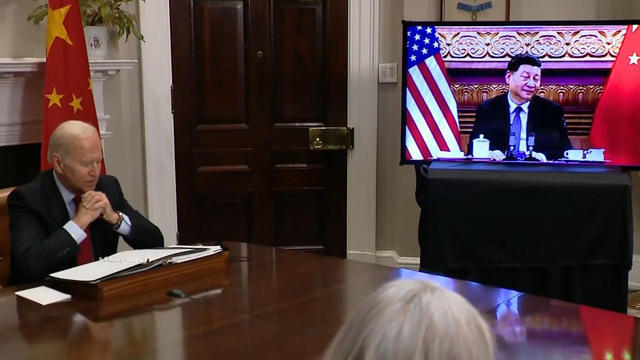
President Biden and China's Xi Jinping pledge more cooperation; U.S. condemns Russia over "reckless" missile test