
"Kindness mob" helps drown out hate comments
"The Kindness Mob," a group of half-a-million people, is helping online strangers recover from hate comments. Steve Hartman goes "On the Road" to meet one woman who benefited from the mob's help.
Watch CBS News
"The Kindness Mob," a group of half-a-million people, is helping online strangers recover from hate comments. Steve Hartman goes "On the Road" to meet one woman who benefited from the mob's help.
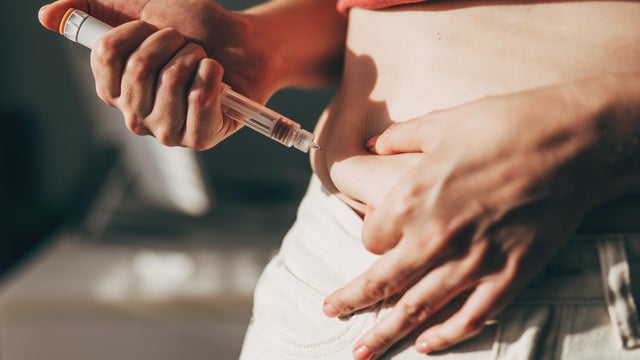
Growing usage of GLP-1 drugs for weight loss is reshaping how consumers shop for food and clothes, according to consulting firm EY-Parthenon.
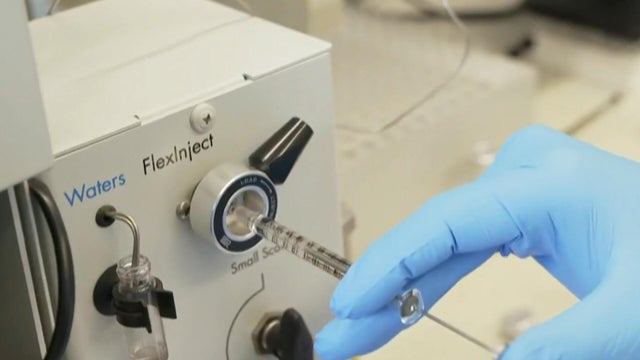
CBS News bought and tested vials marketed as an experimental weight loss drug from several sources to find out what was actually inside. Adam Yamaguchi shares the results on "CBS Mornings."
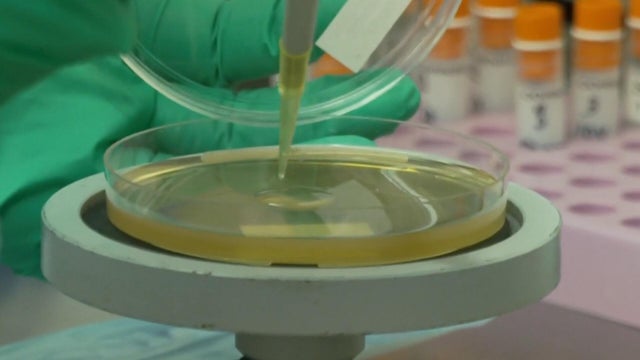
CBS News bought and tested vials marketed as an experimental weight loss drug from several sources to find out what was actually inside. Adam Yamaguchi shares the results on "CBS Mornings."
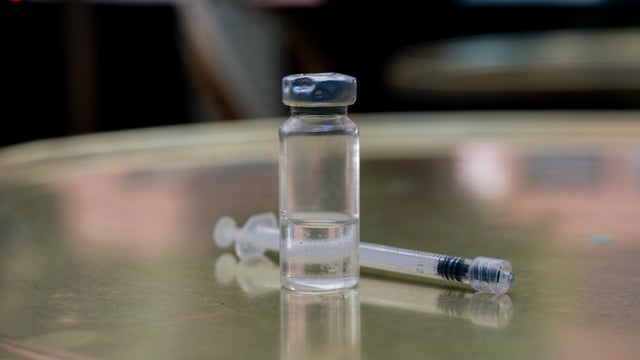
While unverified, the reports come amid growing efforts to clamp down on illicit sales of the experimental weight-loss drug retatrutide.
Two recent deaths reported to the FDA could be linked to Retatrutide, an unapproved weight-loss drug made popular on social media. CBS News investigative reporter Daniel Gilbert has the latest.
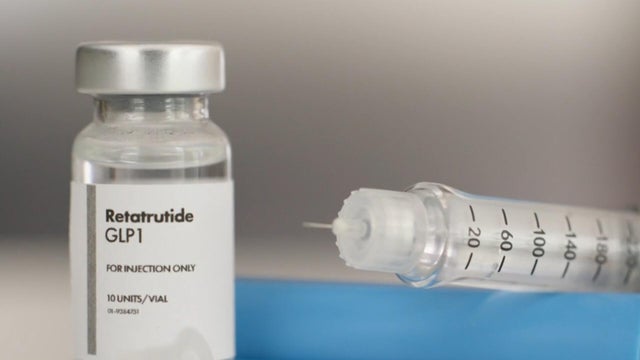
Two deaths were reported to the U.S. Food and Drug Administration that may be tied to the use of bootleg weight-loss drugs, documents reviewed by CBS News show.

Dr. Carolina Haass-Koffler, associate professor of psychiatry at Brown University, joins "The Daily Report" to explain how GLP-1 drugs could be used to treat addictions beyond excessive eating.
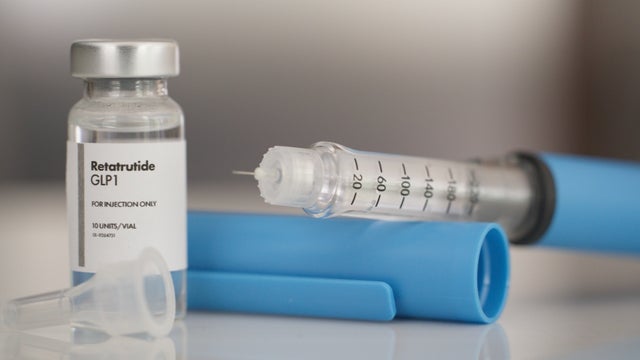
Retatrutide is the latest experimental weight-loss drug with promising clinical trial results, but it's not yet approved by the FDA. Dr. Céline Gounder has the latest.
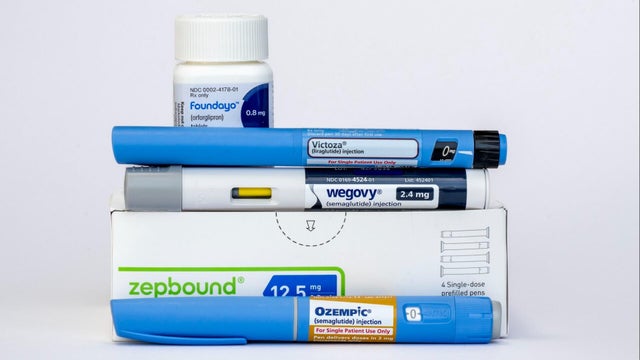
The FDA has warned a major compounding pharmacy that it violated federal law by making copies of blockbuster weight-loss drugs in "inordinate amounts."
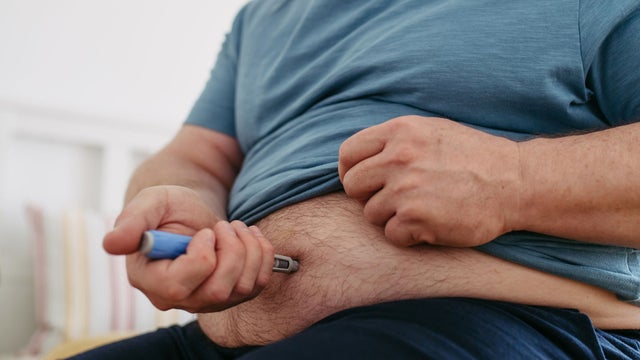
Retatrutide, an experimental weight loss drug still undergoing clinical trials at Eli Lilly, is being marketed online and illegally sold to U.S. clients, a CBS News investigation found. CBS News investigative reporter and producer Daniel Gilbert has the story.
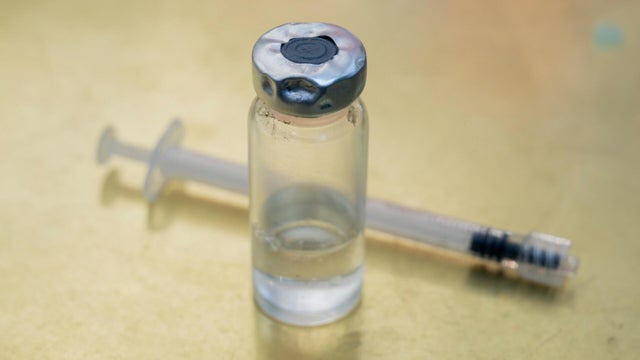
Drugmaker Eli Lilly says it is expanding access to its experimental weight loss drug, retatrutide, which has not been approved yet by the FDA. The company says obese patients taking the drug in clinical trials lost between 73 and 85 pounds over two years. Dr. Rachel Pessah Pollack discusses what we know about its safety, who is eligible for the medication and more.
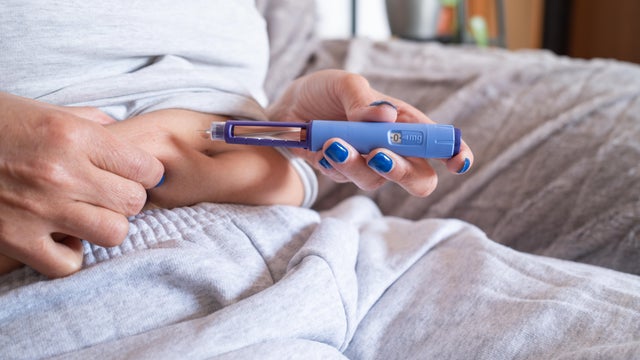
Here's how weight-loss drugs like Ozempic and Wegovy could reduce worker illness and save companies money.
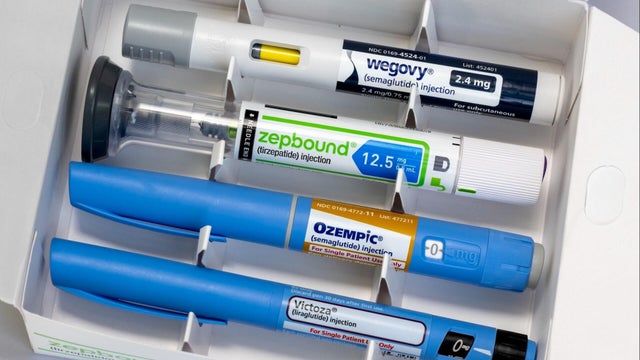
The lawsuit alleges that Eli Lilly misled consumers by using outdated clinical trial data to make its drugs appear more effective than Novo's.
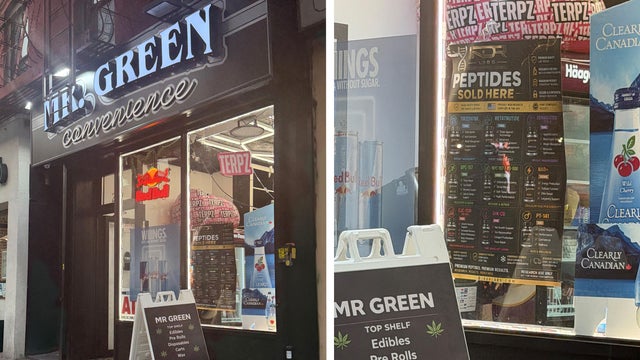
It isn't approved by the FDA, but we found an experimental weight-loss drug called retatrutide for sale at a local convenience store.
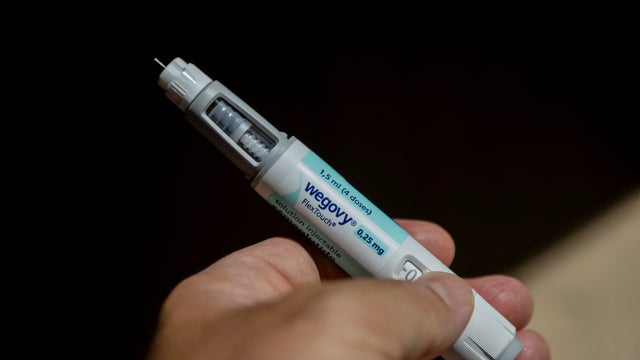
For the first time, Medicare will cover GLP-1 drugs prescribed solely for weight loss for eligible beneficiaries at a $50 monthly copay.
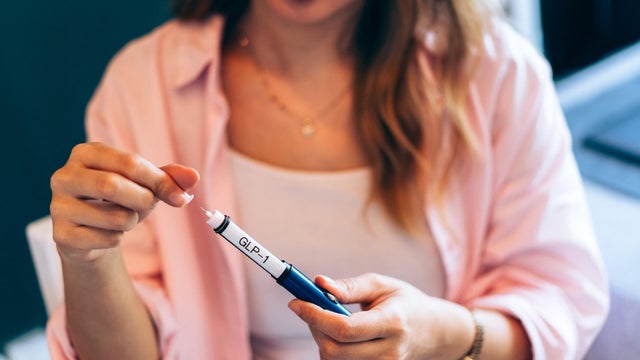
More than 10% of Americans say they use GLP-1 drugs. But experts warn some side effects from the drugs could lead to dehydration, especially in extreme heat. Nutritionist Keri Glassman explains.
Childhood and teen obesity rates have soared to record highs with about 1 in 5 living with obesity. The FDA has approved GLP-1 drugs for weight loss among kids 12 and older. Dr. Rachel Pessah-Pollack explains the risks and benefits, who may be a candidate and more.

CBS News medical correspondent Dr. Celine Gounder breaks down findings from a new study that takes a close look at popular GLP-1 weight loss drugs and their use during early pregnancy.
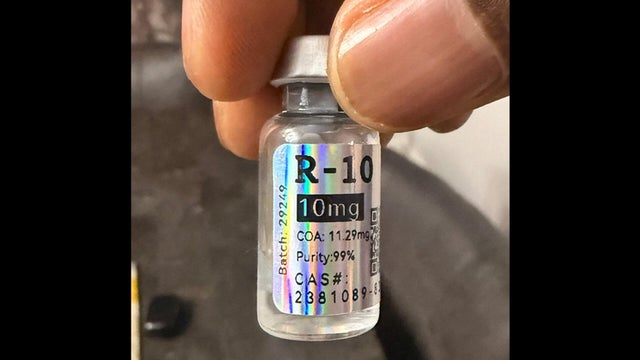
There's a new safety concern about doctors prescribing one experimental weight loss treatment, retatrutide, that hasn't even been FDA approved yet. Adam Yamaguchi reports.
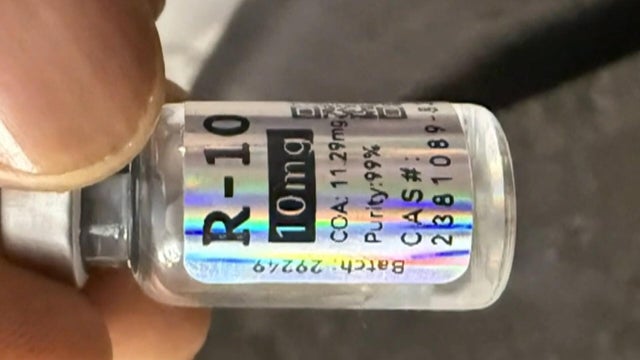
The weight loss drug retatrutide has been touted as "Ozempic on steroids." It's still in clinical trials and not approved by the FDA, but a CBS News investigation found that hasn't stopped doctors from offering it, and it could come with serious side effects. Adam Yamaguchi reports.
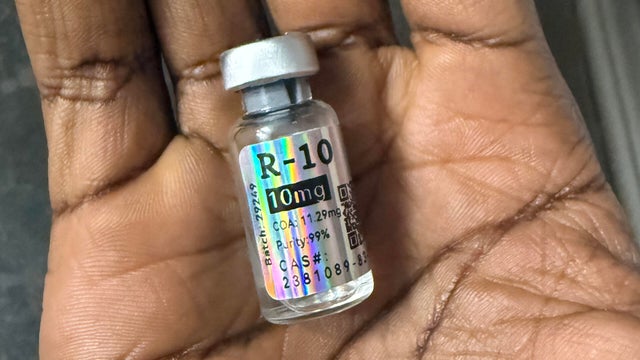
Doctors are jumping the gun to prescribe a medication lacking FDA approval that has gone viral on social media. "Why are we waiting?" one physician asked.
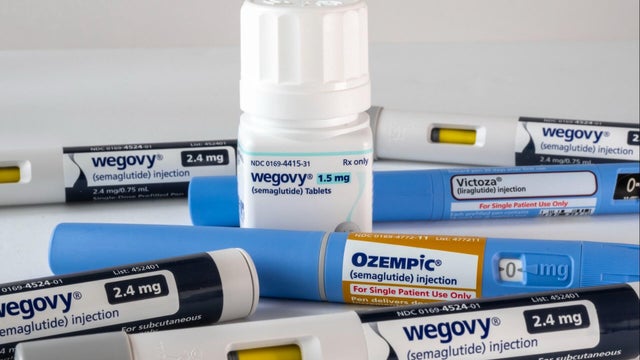
Researchers from Penn Medicine found women taking GLP-1 drugs are less likely to be diagnosed with breast cancer. Dr. Celine Gounder breaks down the study's findings and if the drugs caused the difference.
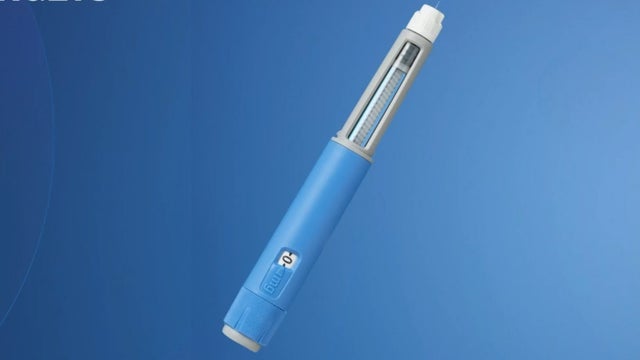
A new weight-loss drug, so new it is not on the market yet, is showing promising results in trials, doing much more than what current medications can. Dr. Jon LaPook breaks it down.
Outspoken body acceptance advocate Katie Sturino, who is the founder of Megababe Beauty, explains why it was a difficult decision for her to start taking weight loss drugs. She's joined by psychiatrist Dr. Sue Varma who breaks down what people should do before taking a GLP-1 and the impact of societal pressure.