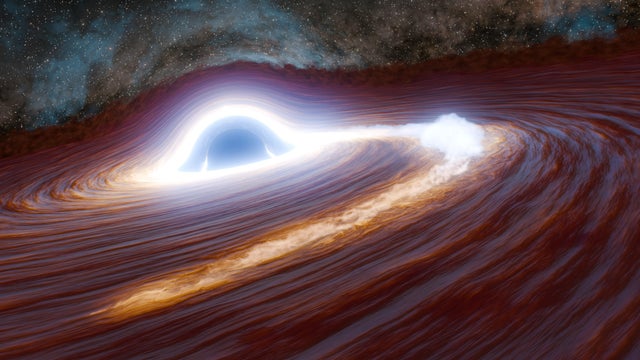
Scientists discover black hole flare with the light of 10 trillion suns
Researcher Matthew Graham said scientists didn't initially "believe the numbers about the energy" emitting from the cosmic display.
Watch CBS News
Researcher Matthew Graham said scientists didn't initially "believe the numbers about the energy" emitting from the cosmic display.
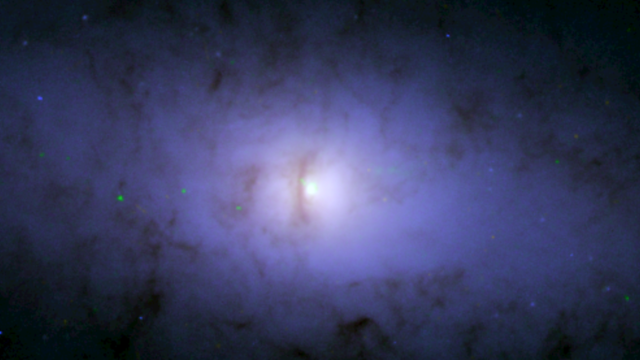
New analysis techniques and decades-old research helped NASA scientists identify an unusual black hole in a distant galaxy.
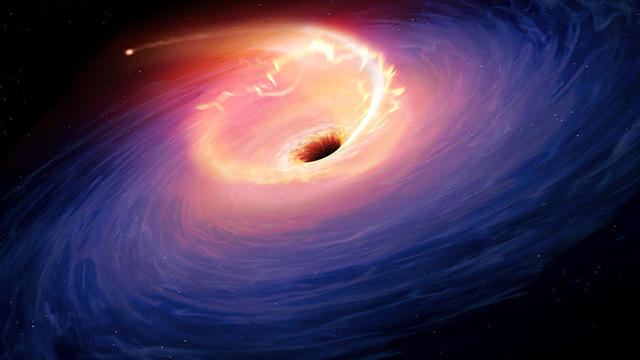
"Supernova sleuths" have found a "scary" supermassive black hole – with the help of artificial intelligence.

The supermassive black hole 54 million light-years away is now clearer than ever.
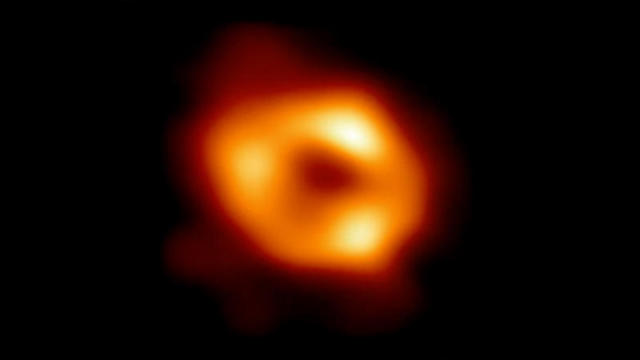
Three years after capturing the first image of a supermassive black hole in a galaxy 55 million light years away, astronomers have managed to "photograph" one closer to home.

Messier 87, a supermassive black hole some 55 million light-years from Earth, is terrifyingly 6.5 billion times the mass of the sun – but it creates surprisingly soothing sounds that might make you drift off to sleep. Listen to M87's latest song, released by NASA.
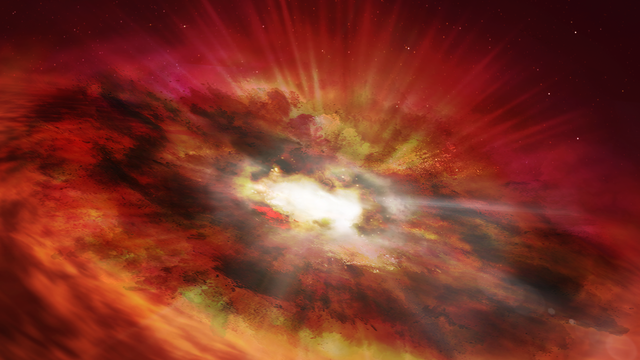
Scientists say a "missing link" that helps to explain the mysteries of the birth of the universe has been hiding in plain sight.
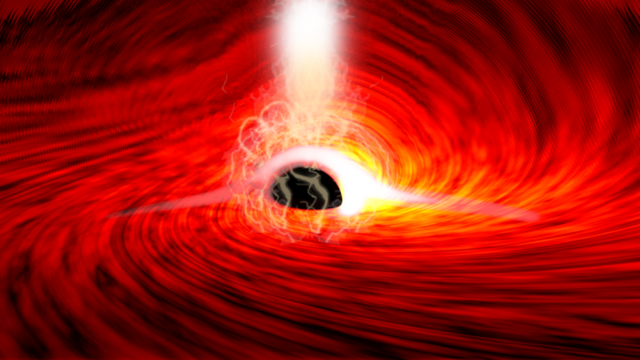
The discovery proves Albert Einstein's theory of general relativity was right — again.
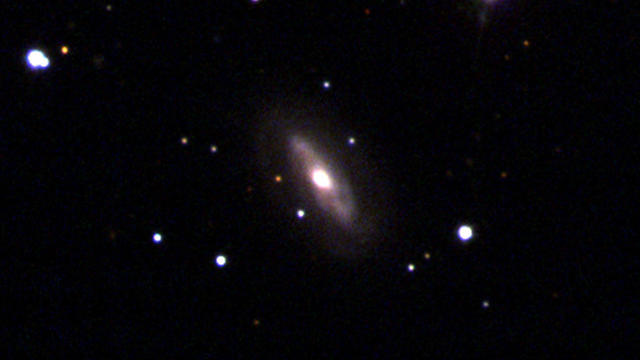
In a galaxy far, far away, there's a supermassive black hole on the move — and scientists aren't sure why.

The supermassive black hole at the center of one of the universe's brightest objects is 1.6 billion times more massive than the sun.
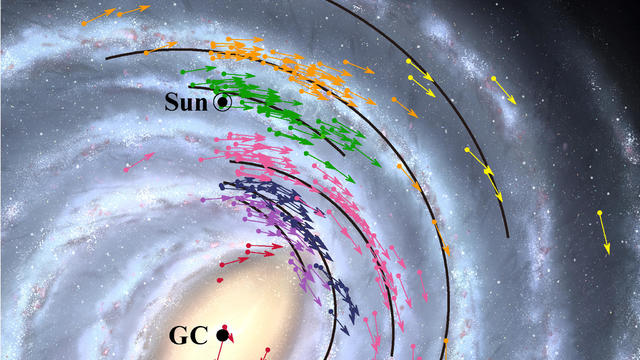
But scientists say not to worry.

Astronomers recently spotted a black hole swallowing up a star like celestial spaghetti — and no, that's not science fiction.
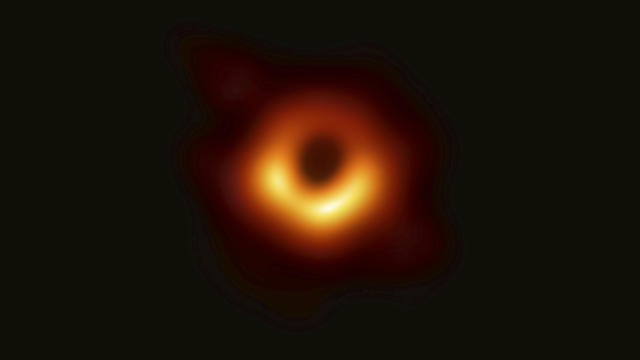
Scientists were surprised to find the ring of gas surrounding the supermassive black hole appears to have moved significantly.
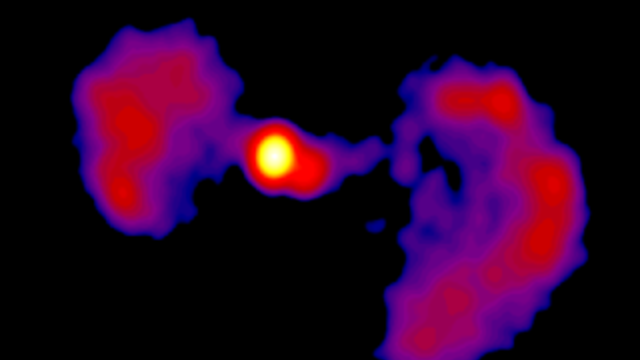
Scientists have spotted a galaxy that appears to be a member of Darth Vader's fleet.
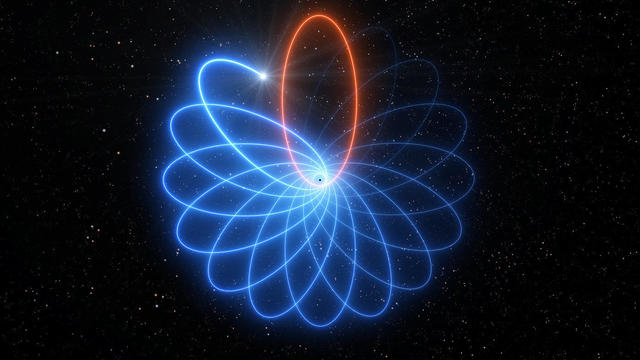
After studying the star for nearly 30 years, astronomers have once again proven Albert Einstein's theory of relativity.
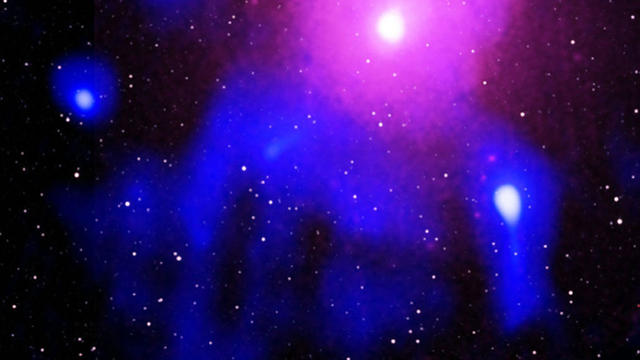
The eruption was so intense it punched a crater the size of fifteen Milky Way galaxies into a part of space hundreds of millions of light-years away.
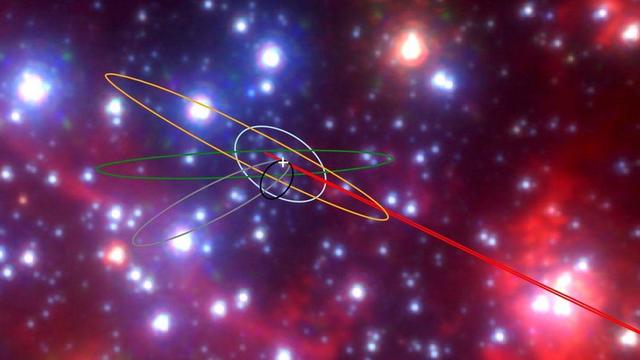
Are they just gas, or are they stars? Astronomers now believe the unusual objects may be a hybrid of both.
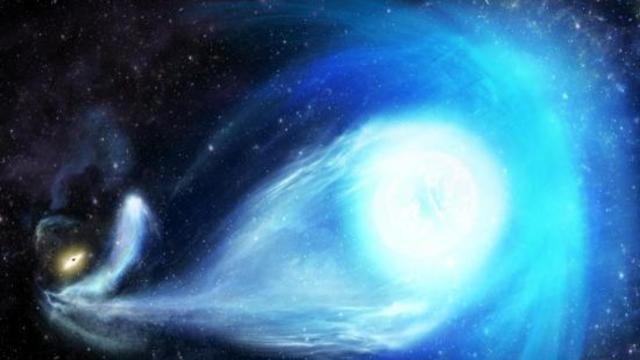
Astronomers spotted the star just 29,000 light-years away from Earth — "practically next door by astronomical standards"
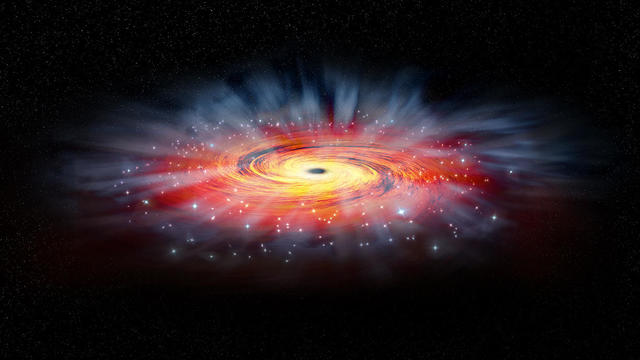
Scientists called the flashes "unprecedented"
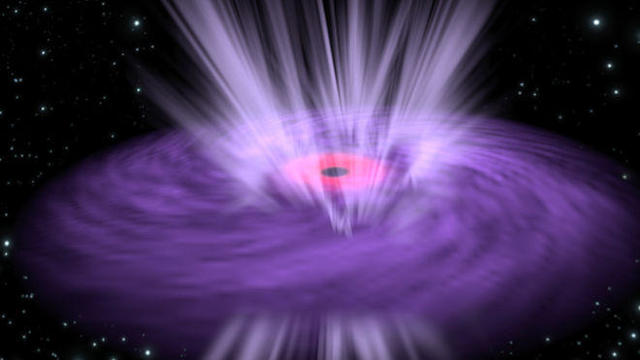
NASA's NuSTAR space telescope makes fresh observations about the region around supermassive black holes
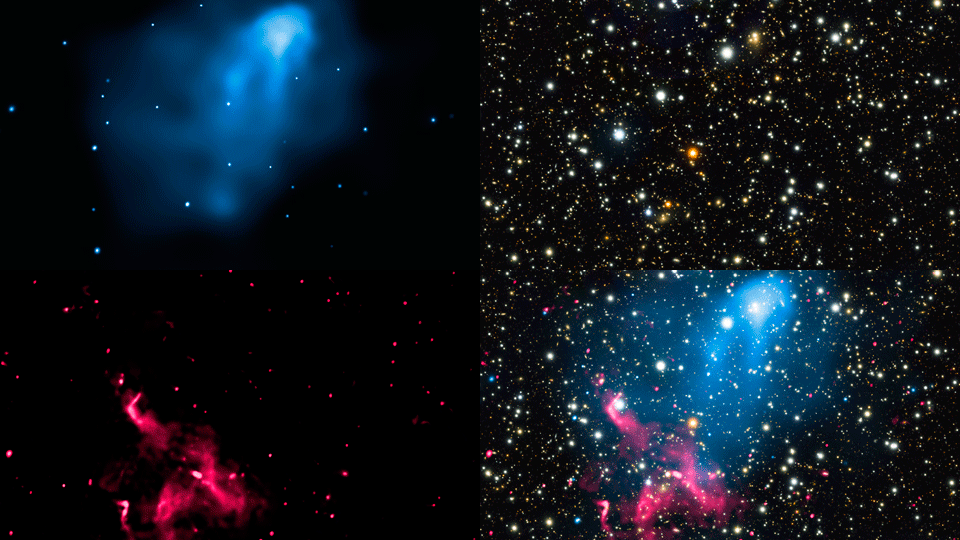
Astronomers discovered an immense surge of energy coming from a cosmic particle accelerator about 2 billion light years from Earth
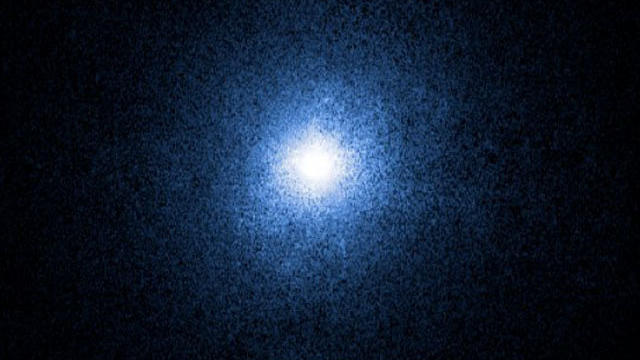
Astronomers get clearest picture yet of these celestial enigmas